


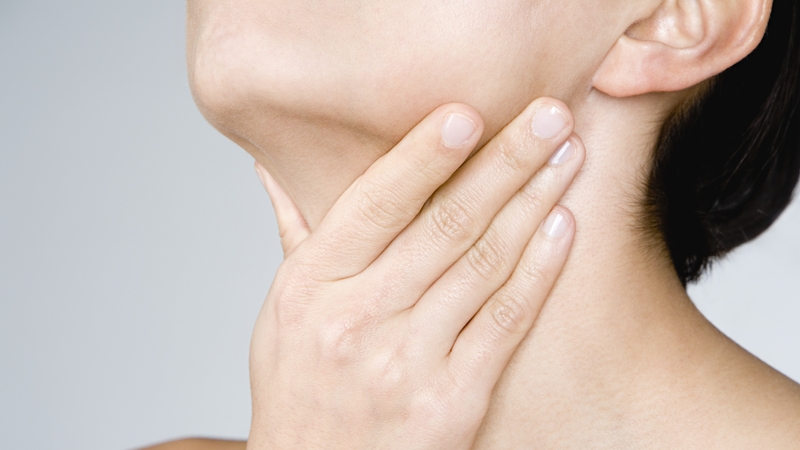
A sore throat might be the top symptom that suggests someone has Covid-19, according to new data.
The next most prevalent symptoms are headache and blocked nose, the Zoe Covid study has suggested.
The figures indicate the next most common signs are a cough, hoarse voice, sneezing, fatigue and muscle aches.
However, symptoms such as a fever or loss of smell - which were once considered some of the most characteristic signs of the virus - were among the least reported symptoms.
Professor Tim Spector, Zoe scientific co-founder and lead scientist on the Zoe Health Study, said that the virus is "still rampant" in the population.
"Zoe Health Study data shows that there were over 350,000 daily Covid cases this week - a new record for the UK," he said.
"So much so that if you have any cold-like symptoms at the moment it's nearly twice as likely to be Covid as a cold. Even if people have had a past infection and are fully vaccinated, people are still catching it.
Prof Spector explained that this is because there are multiple Covid variants co-existing at the same time, including BA.2, BA.4 and BA.5).
"The top symptoms to keep an eye on include sore throat, blocked nose and dry cough," he said.
He added that cases will not rise indefinitely and "we're already seeing a slight drop in numbers day to day".
Free masks, tests in NZ as health system struggles
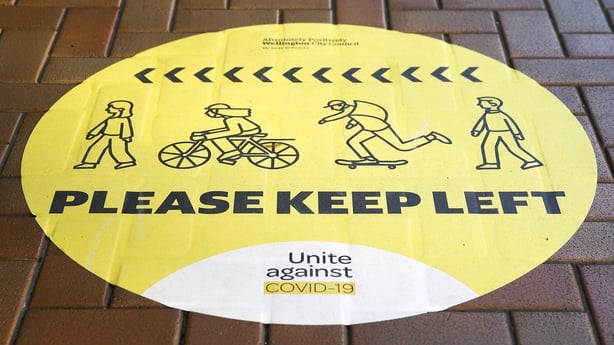
The New Zealand government has announced free masks and rapid antigen tests as it tries to stem the spread of Covid-19 and relieve pressure on the country's health system.
The health system is dealing with an influx of Covid and influenza patients.
There has been a significant jump in the number of new Covid cases in New Zealand in recent weeks and authorities are forecasting that this wave of Omicron might be worst than the first.
The hospital system is already struggling with increases in wait times and surgeries having to be cancelled.
"There's no question the combination of a spike in Covid-19 cases and hospitalisations, the worst flu season in recent memory and corresponding staff absences are putting health workers and the whole health system under extreme pressure," Minister for Covid-19 Response Ayesha Verrall said in a statement.
New Zealand, which has a population of 5.1 million, recorded 11,382 new cases of Covid today, with a total of 68,737 currently infected with the virus. Of those 765 cases are currently in hospital.
A one-time poster child for tackling the coronavirus, New Zealand's swift response to the pandemic and its geographic isolation kept the country largely Covid-free until the end of last year.
The government, however, retired its zero-Covid policy earlier this year once the population was largely vaccinated and the virus has been allowed to spread.
Ms Verrall said while Covid-zero was no longer a possibility people did need to wear masks, to get tested and to isolate if either they or someone in their home tests positive to the virus.
The government is making free masks and tests more widely available, allowing pharmacies to sell Covid medicines and is expanding the criteria for who is eligible for antiviral medication.
"Now's not the time to stop wearing masks. Evidence tells us wearing a mask halves your chance of being infected with Covid-19. It also helps protect you against influenza and other winter illnesses so if you don't wear a mask for yourself, please wear one for healthcare workers," said Minister Verrall.
