



A garda whistleblower has denied developing a "persecution complex" over his treatment by garda management after he complained about the handling of a murder case.
Retired Garda Sergeant William Hughes is being cross-examined at the Disclosures Tribunal in Dublin Castle about his allegations of systems failure before the 2006 murder of Baiba Saulite.
Ms Saulite, 28, was shot dead at the door of her home in Swords, Co Dublin, on 19 November 2006. She was originally from Latvia and was a mother of two young children.
The murder remains unsolved.
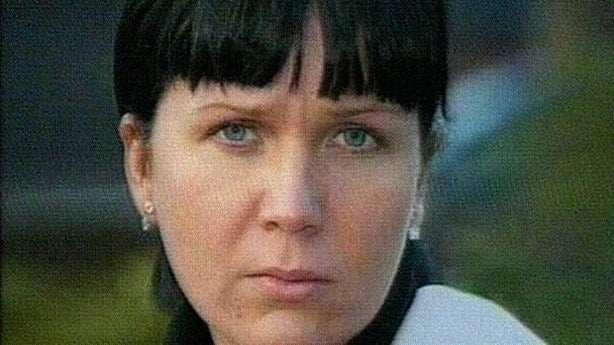
A week before she was shot dead, Ms Saulite gave Sgt Hughes a draft victim impact statement saying she feared for her life. Sgt Hughes had not read the statement in full before the murder.
Counsel for An Garda Síochána, Mícheál Ó Higgins SC, suggested that Mr Hughes' "original sense of guilt morphed into anger and then into vengefulness".
"You were developing something of a persecution complex…you believed that you had seriously messed up and felt if you had read the draft victim impact statement, somehow things would have been different and you were way too hard on yourself," suggested Mr Ó Higgins.
Mr Hughes said he was never vengeful towards garda authorities, but agreed he was angry and felt more could have been done to prevent Ms Saulite’s murder.
Mr Hughes said he was also "extremely unhappy" with the disciplinary process taken against him which made him feel "bullied, harassed and scapegoated" by management.
The tribunal heard evidence from several doctors, including GP Dr James Reilly, who concluded in April 2008 that Mr Hughes was suffering from post-traumatic stress disorder and required psychotherapy.
"He complains of racing thoughts, obsessional ruminations over the way he has been treated by garda management, multiple reminders (i.e. seeing a garda patrol car), difficulty sleeping, nightmares, feelings of profound isolation, fear of being arrested, irritability, anger, vengefulness towards his authorities, hopelessness and depression...chest pains, nausea, profuse sweating, episodes of tremors," one medical report said.
A 2010 report by psychiatrist Dr Patrick Devitt said Mr Hughes' overwhelming emotion was one of anger. "He felt that he was the victim of injustice...he is constantly thinking and talking about these events such that his wife finds it difficult to listen to him."
"I have a terrible anger…I’m afraid I’ll retaliate," Mr Hughes told the doctor, who also reported that Mr Hughes was drinking "up to 20 units of alcohol a day" while he was off sick.
Mr Hughes' told the tribunal that figure was a misunderstanding and that he had later corrected the doctor.
"I don’t think I’d be here in full health today if I’d been drinking that much. I was going to the gym a few times a week and ran some 5k races," said Mr Hughes.
Mr Hughes said he would use the word "determination" and not "obsessions" to describe his feelings of being oppressed by garda management at the time.
"I’m not a medical man but work-related stress is not a medical illness as far as I know. If management had properly investigated the matters affecting me, it would have alleviated my condition," he added.
The tribunal heard Mr Hughes was prescribed anti-depressants, which he chose not to take.
"I knew in my heart of hearts that resolution lay within the workplace, not within psychotherapy or psychotropic medication," he said.
An Garda Síochána denies Mr Hughes' allegations.
The tribunal continues tomorrow.
