


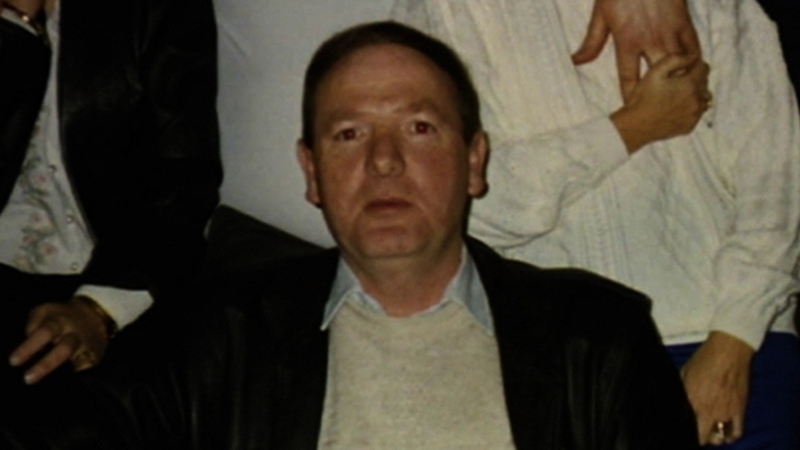
A 69-year-old Cork man has been sentenced to ten years in prison for regularly raping one of his daughters over a period of five years and indecently assaulting another daughter on a regular basis.
Jerry O'Keeffe, a former soldier, of Oakhill, Youghal in Co Cork, pleaded guilty to nine sample charges out of a total of 78 original counts, shortly before his trial was due to start in July.
Both daughters have waived their right to anonymity, the Central Criminal Court heard.
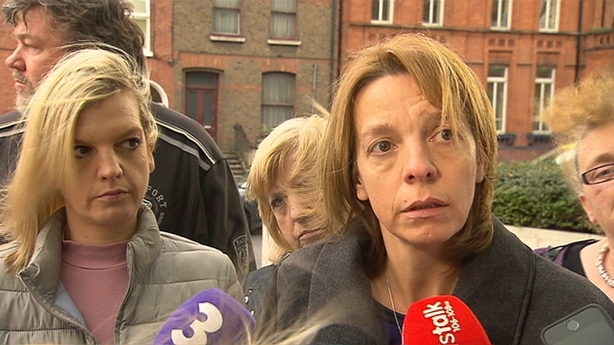
Amy Barratt and Melissa O'Keeffe say they are happy with the sentence but 'sad at the same time 'cos he's still our dad' pic.twitter.com/GESFYjgesf
— RTÉ News (@rtenews) November 6, 2017
The court heard that one of O'Keeffe's daughters reported the abuse to gardaí when she was 16, but her parents put her under pressure to withdraw her statement.
The abuse was reported to the Southern Health Board in 1999, after both sisters went to the Rape Crisis Centre.
No further action was taken after O'Keeffe agreed to move out of the family home. He remained in the army until 2004. The sisters reported the abuse to gardaí again in 2014.
Mr Justice Patrick McCarthy said these were extremely serious offences and it beggared belief that a man could behave in such a fashion.
Warning: Readers may find some of the details of this case distressing
The offences date back to 1980, when the oldest daughter, Amy, was just seven years old.
She said her father would ask her to sit on his lap before sexually abusing her and then taking her to his bedroom and raping her.
Prosecuting counsel, Timothy O'Leary, told the court that she tried to get her father to stop but she was limited in what she could do as she was such a young girl.
The rapes occurred on a regular basis until she was 12 years old in 1985.
The court heard the indecent assaults against Melissa O'Keeffe began when she was just 11 years old and went on for six years.
They would usually happen at night, when her father returned from the pub, the court heard.
Victim will never forget physical pain
In her victim impact statement, Amy Barrett told the court the rapes had a very traumatic effect on her and she would never forget the physical pain of the abuse.
She said her father had betrayed her and she felt a "mixed bag" of confusion and terror.
Mrs Barrett told the court she found it hard to make friends as she felt different to everyone else.
She said in her teenage years, the anger grew inside her and she left home as soon as she was old enough and tried to put the abuse behind her.
However, she said the memories would never leave her.
She eventually contacted the Rape Crisis Centre and social workers became involved when it emerged that there were younger children at home.
Mrs Barrett told the court this put a strain on her relationship with her family. She said she felt suicidal and very alone.
She also said she was constantly looking over her shoulder for fear her children or anyone else's children would be around her dad.
She said in the lead-up to the trial, she hoped her dad would do the right thing and she was very hurt that her father was prepared to put her through all of this.
She said time was supposed to heal all wounds but this would never go away.
Mrs Barrett added the abuse left her with feelings of guilt that she had not reported it earlier.
She said she felt shame, embarrassment and hurt but today she was giving those feelings back to her father.
O'Keeffe's daughter felt alone and hurt
The victim impact statement of Amy's sister, Melissa was read to the court.
She said she did not understand what was going on when she was abused, but she knew it felt wrong. She said she felt very alone and hurt.
She thought that if she called out to her mother she would get into trouble.
She also asked how she could explain it to her mother when she barely understood it herself.
Ms O'Keeffe said when she was 16 she made a statement to gardaí, but her parents told her to withdraw it, as her father would lose his job and they would lose their house.
She said she told gardaí that she had made it up and she had to try to move on.
When she raised it later with an aunt, she said she was again told by her parents to stop talking about it.
Ms O'Keeffe said she had found the last year, in the lead-up to her father's trial, very difficult.
But she said today meant so much to her. She said she now finally had her voice, which she was not allowed when she was 16.
Sergeant John Sharkey told the court that O'Keeffe was separated from his wife and had no previous convictions.
O'Keeffe's defence counsel, Ronan Munro, said O'Keeffe was clearly conflicted between self-preservation and admitting his behaviour.
In garda interviews in late 2014, he had denied the allegations but he now took full responsibility for what he had done and apologised to both of his daughters.
The court was told O'Keeffe had been in the Army from 1982 until 2004 and had served three tours of Lebanon.
After his daughters went to the Rape Crisis Centre in 1999, O'Keeffe had made some admissions to a psychiatrist.
The court heard he agreed to leave the family home and an investigation by the Health Service Executive "petered out".
At one stage, he had alleged to one psychiatrist that he himself had been abused when he was a child.
Crimes destroyed childhoods - Judge
Handing down sentence, Mr Justice Patrick McCarthy said O'Keeffe's rape of his daughter Amy over a period of five years, starting when she was eight years old, seemed to be a commonplace event and she was subjected to repeated, extremely serious abuse.
He said these were extremely serious offences and it beggared belief that a man could behave in this fashion.
He said the assaults against his daughter Melissa began when she was 11 and went on for six years.
The effect on the victims was extremely serious and led to the destruction of their childhoods, he said.
He added their victim impact reports showed a degree of pain and hurt that was very difficult to understand.
The judge said it was summed up by Amy's statement that she loved and trusted her dad, and he had betrayed that trust.
Mr Justice McCarthy said O'Keeffe had pleaded guilty and this must be taken into account in mitigation, but he said the plea came after the legal proceedings commenced and came "at five minutes to midnight" before the trial got under way.
The judge said this case merited consecutive sentences relating to each daughter.
He said if O'Keeffe was a younger man, the rape offences against Amy would have merited a sentence of ten years with mitigation and the indecent assault offences against Melissa would have earned a six-year sentence.
However, he said the appropriate total period of imprisonment in this case should be ten years.
He imposed seven-year sentences for the rapes and three-year sentences for the indecent assaults, to run consecutively.
Amy Barrett and Melissa O'Keeffe said afterwards that they were happy with the sentence.
Mrs Barrett said it was never about the sentence for either of them.
She said it was always about the admission of guilt, about keeping their father away from other kids and about closure.
Mrs Barrett described their feelings as being "happy sad" - She said ten years sent out a good message that the abuse and rape of a child was never right.
She said it did not matter how long it took a victim to come forward - it was never too late. But she said they were sad because O'Keeffe was still their dad.
She said it was almost like they were going to be in mourning for him now.
Ms O'Keeffe said she felt like justice had been done. Both women said they would try to get on with the rest of their lives.
Ms Barrett said it would never leave them but they would try to get on with things as best as they could.
Mrs Barrett said she felt the HSE could have done more in 1999, when she reported the rapes to the Rape Crisis Centre.
She said the HSE became involved because there were still young children at home.
The court heard that O'Keeffe agreed to leave the family home and investigations at that stage "petered out".
Mrs Barrett said she wanted to thank the Rape Crisis Centre and Sergeant John Sharkey for everything they had done for them.
