


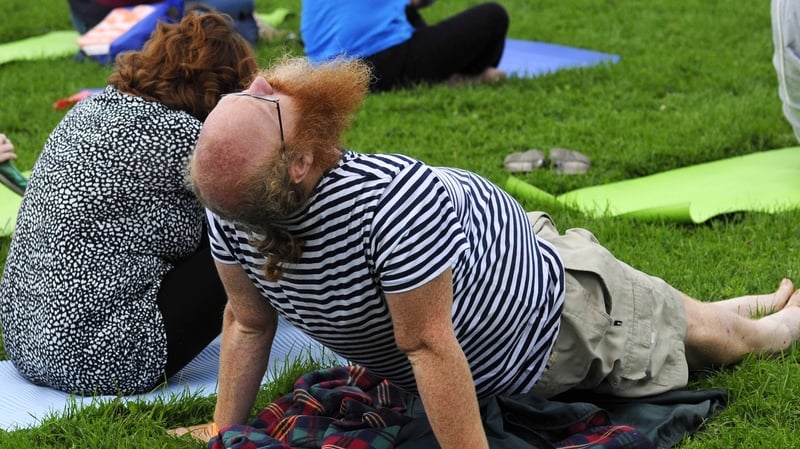
An inherited "ginger gene" associated with red hair, pale skin and freckles is directly linked to the genetic risk of developing skin cancer, new evidence has shown for the first time.
The MC1R gene variant can increase the risk of skin cancer by the equivalent of 21 extra years of sun exposure, say scientists.
Red-haired people all have two copies of the variant, which causes a strong tendency to burn in the sun.
But even a single copy of the variant, found in many people without red hair and freckles, increases the number of gene mutations associated with malignant melanoma, the deadliest form of skin cancer, research shows.
The MC1R variant affects the type of melanin skin pigment they produce, leaving them especially vulnerable to damage from the sun's ultraviolet (UV) rays.
Lead researcher Dr David Adams, from the Wellcome Trust Sanger Institute in Hinxton, Cambridgeshire, said: "It has been known for a while that a person with red hair has an increased likelihood of developing skin cancer but this is the first time that the gene has been proven to be associated with skin cancers with more mutations.
"Unexpectedly, we also showed that people with only a single copy of the gene variant still have a much higher number of tumour mutations than the rest of the population.
"This is one of the first examples of a common genetic profile having a large impact on a cancer genome and could help better identify people at higher risk of developing skin cancer."
The scientists analysed data-sets of skin tumour DNA sequences collected from more than 400 people.
They found an average of 42% more sun-associated mutations in tumours from people carrying the MC1R gene variant.
Professor Tim Bishop, joint lead author and director of the Leeds Institute of Cancer and Pathology at the University of Leeds, said: "This is the first study to look at how the inherited MC1R gene affects the number of spontaneous mutations in skin cancers and has significant implications for understanding how skin cancers form.
"It has only been possible due to the large-scale data available. The tumours were sequenced in the USA, from patients all over the world and the data was made freely accessible to all researchers. This study illustrates how important international collaboration and free public access to data-sets is to research."
UV rays, either from sunlight or artificially generated for sunbeds, damage DNA. People with red hair have a skin pigment that is thought to allow more of the rays to penetrate their DNA, potentially increasing the risk.
The new study, published in the journal Nature Communications, confirmed that the MC1R gene variant raised the number of spontaneous mutations in the skin caused by UV rays.
Unexpectedly, it was also found to boost levels of other skin tumour mutations not related to UV exposure - suggesting involvement of the variant in cancer processes not driven by sunlight.
