


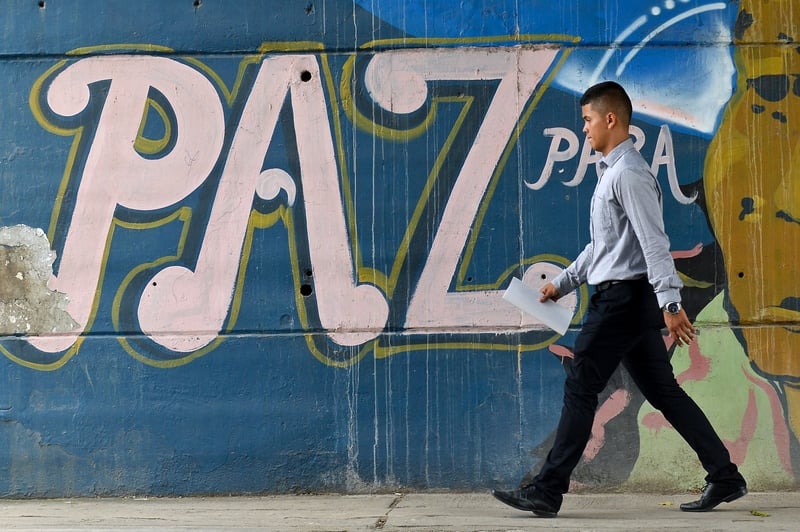
United Nations Secretary-General Ban Ki-moon and Venezuelan President Nicolas Maduro have arrived in Havana ahead of the signing of an historic agreement between Colombia's government and leftist FARC rebels.
The two sides are slated to sign an agreement to end hostilities with a definitive ceasefire today.
After more than three years of fraught talks in the Cuban capital, the agreement brings into sight an end to a conflict that began as a 1960s peasant revolt before exploding into a cocaine-fuelled war that has killed at least 220,000 people and displaced millions.
The accord will be signed in Havana by President Juan Manuel Santos and Revolutionary Armed Forces of Colombia, or FARC, rebel leader Rodrigo Londono, better known by his nom de guerre Timochenko.
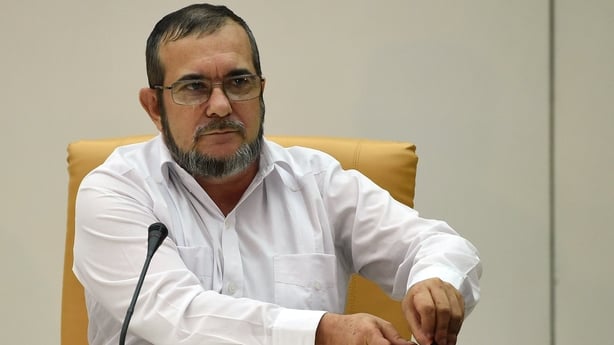
The agreement would leave the two sides just a step away from resolving the longest-running conflict in the western hemisphere.
The ceasefire, which includes terms for the FARC's demobilisation, laying down of arms, and security for former fighters, does not begin until the final deal is signed.
Half-way through his second term and staking his legacy on peace, the president has said a deal would add as much as two percentage points annually to economic growth.
"The peace deal will only further add to the sense that this is a completely new Colombia than the Colombia of 20 years ago," he added.
The South American country of 46 million people, once considered a nearly failed state, has lured back investors and tourists since a US-backed counterinsurgency campaign began in 2002.
Rich in commodities like oil, coal, gold and coffee, it is one of Washington's closest allies in Latin America and has a long history of market-friendly governments.
Agreement on virtually all of the items on the peace talks agenda in Cuba has already been reached, including such thorny issues such as land reform and participation by former rebels in Colombia's political life.
The two sides have not yet agreed on terms for overall implementation of a peace accord and how a national referendum on the deal will be organised, however.
The FARC called a unilateral ceasefire nearly a year ago and the government responded by halting air strikes on rebel camps. Negotiators missed a self-imposed deadline for signing the final accord in March.
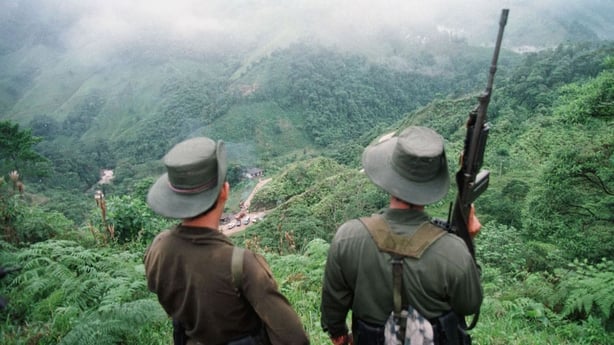
The group of about 8,000 combatants, down from 17,000 in its heyday, is considered a terrorist group by the United States and European Union.
Mr Ban and Mr Maduro were expected to attend the signing ceremony along with Cuban President Raul Castro and Chilean President Michelle Bachelet.
The ceremony is expected to be held at 4pm Irish time.
