

The European Commission will today formally launch a proposed new European Border and Coast Guard which would in future bring much tighter controls to the union's external borders.
The move has been described as the biggest proposed transfer of sovereignty since the creation of the euro.
The commission will also publish plans for a massive resettlement of Syrian refugees currently in Turkey as part of continuing efforts to limit the numbers of refugees making the dangerous land and sea crossings into Greece.
The refugee crisis has exposed the limits of the existing arrangements in countries like Greece and Italy which hold the European Union's external borders.
Once refugees cross into a member of the border free Schengen zone they are theoretically able to move around most of mainland Europe.
The European Commission is proposing a new border and coast guard which would, if agreed by member states, be permitted to intervene to shore up external border controls even against the wishes of the member states involved if it is believed the external controls are being overwhelmed.
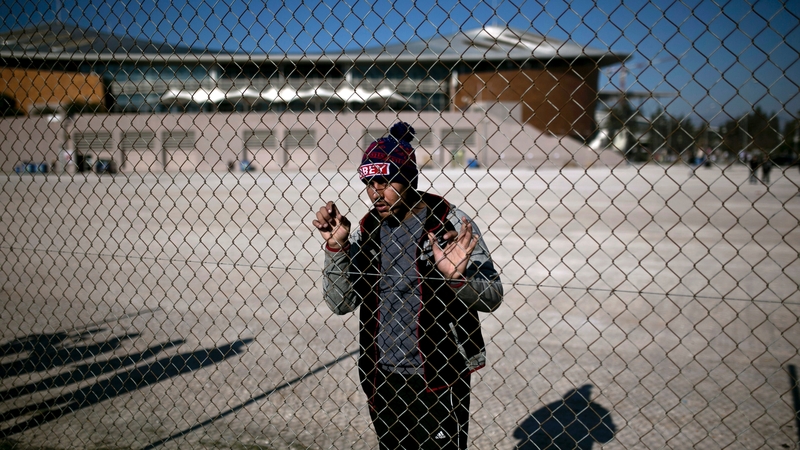
Greece in particular has been accused of failing to manage its border with Turkey, by allowing hundreds of thousands of refugees to stream into western Europe, mostly unregistered and un-fingerprinted.
The commission's proposal will need the support of member states.
But both Germany, which has taken in around a million refugees this year, and France, still reeling from the 13 November terror attacks, have strongly supported the idea in recent weeks.
Ireland is not a member of the Schengen passport-free zone and has an opt-out on the EU's asylum and immigration policies.
However, the Government could opt to contribute personnel or resources to the new EU border guard as it currently does to Frontex, the EU's existing border coordination agency, which the new entity would replace.
