


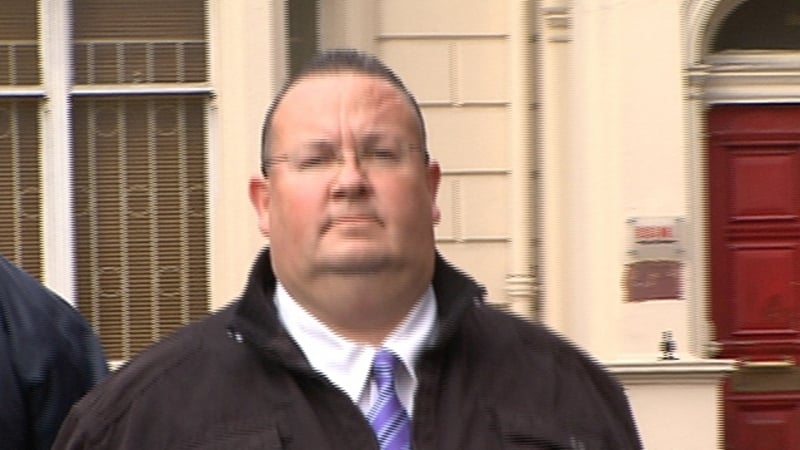
The former chief executive of insurance group Royal Sun Alliance Irish division has alleged that the London-based group directed that €250 million in Irish reserves be released to support group results and offset under-performance in other RSA divisions.
Philip Smith said former RSA Group Chief Executive Simon Lee had described these reserves as the "treasure in the Irish caves" to be used as the group saw fit.
Mr Smith who resigned from the company in 2013 following revelations of discrepancies in the accounts was giving evidence in his constructive dismissal case at the Employment Appeals Tribunal.
Mr Smith outlined the way insurance companies set aside reserves to provide for future insurance claims.
However, he told the tribunal that between 2007 and 2011, the RSA group in the UK directed that the Irish company to release over €250 million to support group results and offset under-performance.
He said that as a result, the Irish business has "no acorns put away for a rainy day".
He said difficulties arose when it emerged that the cost of motor claims was rising rapidly, as was the cost of potential claims under solicitors' professional indemnity insurance relating to land and property transactions.
RSA subsequently had to contribute almost €250 million to the Irish operation to plug the hole in its reserves.
Mr Smith defended his performance as chief executive, saying his performance reviews had always been exemplary.
He said that his background was in general management, but he was not an accountant or actuary.
He said that he had relied for information on the specialist executives reporting to him.
He said that when the controversy over the inadequate reserves arose, a draft report prepared by internal investigators was sent to the Central Bank before it was sent to him.
Mr Smith resigned as chief executive in November 2013 following an investigation of alleged irregularities in how the Irish division accounted for claims and reserves.
In 2013, a routine audit at RSA's Irish division detected certain discrepancies in the accounts.
A further investigation by accountants PWC found that the financial records did not accurately reflect its financial position.
The hole in the accounts ultimately came to more than €250 million.
Then chief executive Mr Smith was one of three executives suspended. He subsequently resigned with no severance payment, but insists that he was in fact constructively dismissed.
In his resignation letter of November 2013, he rejected all allegations against him regarding the financial discrepancies.
He stated that he relied on the expertise of other executives in making decisions, and claimed he was being made the "fall guy".
His unfair dismissal case against RSA is expected to continue for some days.
There have been no settlement discussions, and RSA is expected to robustly defend its position.
If Mr Smith wins, the Employment Appeals Tribunal can award him up to two years salary - which in his case could come to €1m.
