


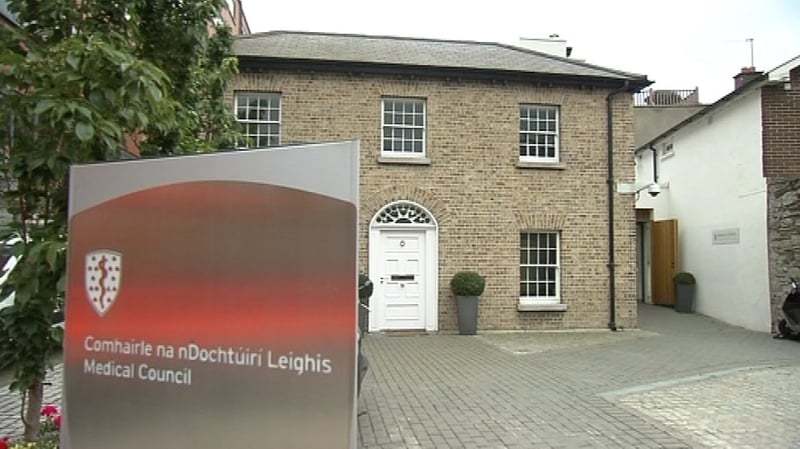
A doctor who worked in cancer treatment at University Hospital Limerick is facing eight allegations of professional misconduct and/or poor professional performance at a Medical Council inquiry.
Dr Saqib Ahmed worked as a junior registrar in oncology from July to November 2012 when he was placed on administrative leave.
It is alleged that he put one or more patients' health at risk by failing to attend the hospital in a timely manner in October 2012 and that he failed to order chemotherapy treatment.
It is also alleged that Dr Ahmed left a clinic in July without permission, failed to adequately assess a patient, and responded in a verbally and/or aggressive manner when doctors spoke to him about his treatment.
It is alleged he marked an area for a lumbar puncture using his thumb nail, failed to request basic tests and failed to respond to attempts by staff to contact him.
Dr Ahmed, who qualified in Pakistan, is not legally represented at the inquiry but is participating by telephone from Grand Rapids, Michigan in the United States.
He denies the allegations and says he had difficulty understanding differences in clinical practices at Limerick.
In relation to allegations of interpersonal conflict, Dr Ahmed has claimed doctors engaged in espionage and spying on his personal life.
He said allegations of being uncontactable were exaggerated and claimed he was subject to racism, bullying and verbal abuse.
He claimed he was a victim of dictatorship and slavery at the hospital.
Dr Ahmed said he did not fail to order chemotherapy. He was going on leave and passed the work to a fellow registrar.
He also said he did not believe it correct to order unnecessary and expensive tests.
Dr Ahmed had worked at Limerick previously as a senior house officer but it was his first time in oncology, which he wanted to pursue.
Dr Linda Coate, consultant medical oncologist at University Hospital Limerick, said Dr Ahmed had done an excellent interview and was very enthusiastic.
However, she said she had concerns when during a ward round he was not aware when patients had been admitted, what their diagnosis was, what medicines they were on and test results.
When she asked him if he had done a ward round before, he became defensive.
On another occasion, when she questioned him about his care of a critically-ill patient, she said Dr Ahmed jumped up, was very aggressive, spoke over her and she felt threatened.
Dr Coate said it was completely unacceptable to be unavailable for around four hours while on call and then to offer no apology "was unbelievable".
