


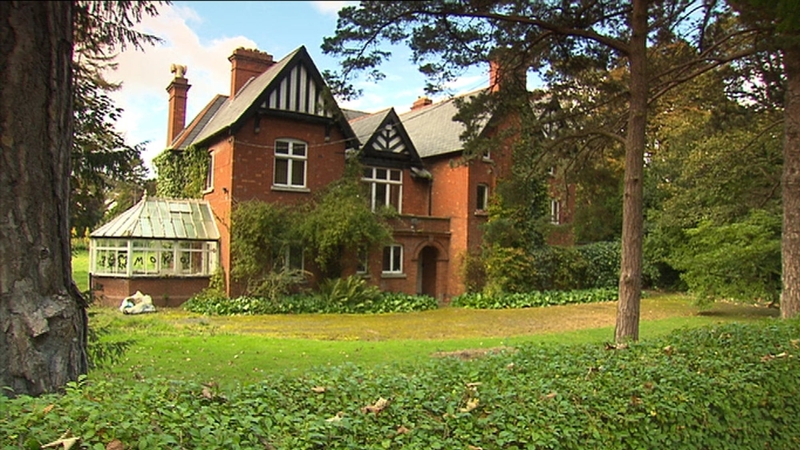
A redevelopment of Ireland's most expensive house on Shrewsbury Road in Dublin has been refused by An Bord Pleanála.
The board ruled that the redevelopment of Walford and the construction of four new houses to the rear would be "out of character" for the area and set an "undesirable precedent in this sensitive setting".
It said the proposed four houses in the back garden would be visually dominant, overlook neighbouring property and depreciate house values in the area.
Walford was bought by developer Sean Dunne's wife Gayle Killilea for €58 million at the height of the boom in 2005.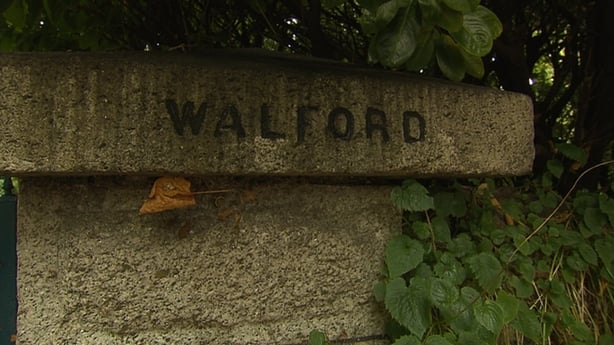
It was sold to a Cypriot registered company Yesreb for €14 million last year, and an application was made to extend the Edwardian house to nearly double its size to 964 square metres.
Yesreb also sought permission to build four houses in the back garden, each covering 608 square metres.
Dublin City Council granted permission for a reduced extension and just three new houses and this was appealed to An Bord Pleanála by both Yesreb and local residents.
In its decision refusing permission for the entire development, the board described Walford as an example of the 'Arts and Crafts' style from the early 20th century and Shrewsbury Road as being of unique character in Dublin city.
It said development in the garden would interfere with the historic design of the house and its parkland setting.
Planning consultant Dr Diarmuid Ó Gráda, who acted for one of the objectors, said it was a sophisticated decision that looked at the whole streetscape.
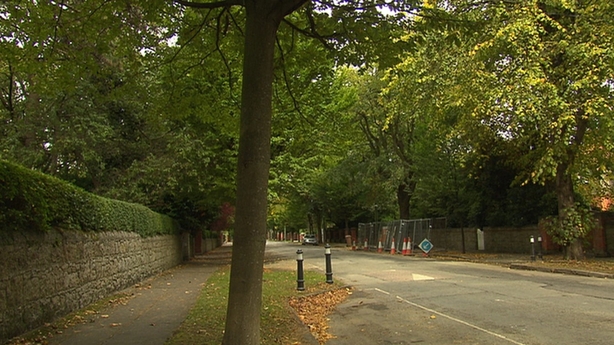
"It’s an important decision for the culture and heritage of Dublin".
During an oral hearing, objectors queried the legal ownership behind Yesreb and whether Mr Dunne still had any beneficial interest.
In its decision, the board said it decided not to pursue the ownership issue as there were enough planning reasons for refusal.
