

Military action against Iran could have "unintended consequences" in the region, US Defence Secretary Leon Panetta has warned.
His comments come hours after Tehran warned that an attack against its nuclear sites would be met by "iron fists."
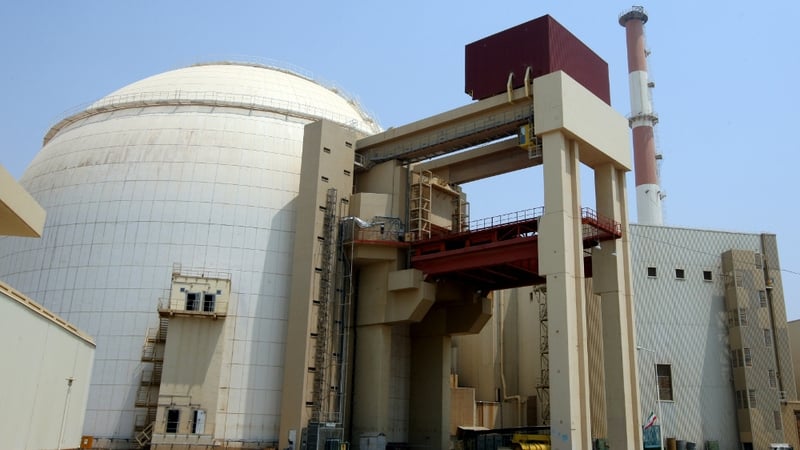
Tension over Iran's nuclear programme has increased since a report on Tuesday from the International Atomic Energy Agency said that Tehran appeared to have worked on designing a bomb and may still be conducting secret research to that end.
Speculation has heightened in the Israeli media that Israel may strike Iran's nuclear sites and there is speculation in the Western press about a possible US attack.
Iran says its nuclear programme is peaceful and that it is enriching uranium to power reactors for electricity generation.
Mr Panetta said he agreed with an assessment of his predecessor, Robert Gates, that a strike on Iran would only delay its nuclear programme, which the West believes is aimed at making an atomic bomb.
Mr Gates also warned it could unite the country and deepen its resolve toward pursuing nuclear weapons.
"You've got to be careful of unintended consequences here," Mr Panetta told reporters at the Pentagon, when asked about his concerns about a military strike.
He acknowledged military action might fail to deter Iran "from what they want to do."
"But more importantly, it could have a serious impact in the region, and it could have a serious impact on US forces in the region," he said.
"And I think all of those things, you know, need to be carefully considered."
Iran has warned that it will respond to any attacks by hitting Israel and US interests in the Gulf.
Analysts say Tehran could retaliate by closing the Strait of Hormuz, the waterway where about 40% of all traded oil passes.
"Our enemies, particularly the Zionist regime (Israel), America and its allies, should know that any kind of threat and attack or even thinking about any (military) action will be firmly responded to," Iran's Supreme Leader Ayatollah Ali Khamenei said on state television.
