


The United States and other countries have formally recognised Libya’s rebels as the African country’s legitimate rulers.
The move will give opposition soldiers there a significant boost, not least because it could open up vital funds to them.
Many countries froze Libyan assets following Muammar Gaddafi’s violent crackdown on pro-democracy protesters in the country at the start of the year.
As the rebels’ National Transitional Council is now seen by many Western and regional powers as Libya’s ruling body, they could gain access to those funds.
The National Transitional Council was established early in the Libyan civil war to consolidate planning for the post-Gaddafi era.
It is in regular contact with NATO and its members and is said to have offered 'important assurances' to pursue democratic reform, uphold Libya's international obligations and disburse funds transparently.
‘The United States is impressed by the progress the TNC has made in laying the groundwork for a successful transition... which reinforce our confidence that it is the appropriate interlocutor for us,’ said US Secretary of State Hillary Clinton.
However Mr Gaddafi, who still has a strong hold on the country’s capital Tripoli and other areas, called the recognition insignificant.
‘Recognise the so-called National Transitional Council a million times: it means nothing to the Libyan people who will trample on your decisions,’ he said in a message relayed to supporters.
He said he could not imagine the day ‘the heroic Libyan people would be represented by a fistful of traitors who opened the doors of Benghazi to crusaders.’
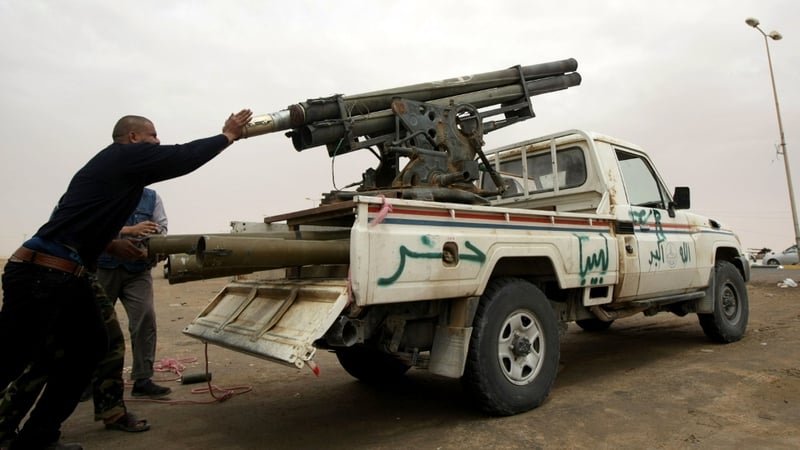
The council’s recognition came as rebels stepped up their campaign against Mr Gaddafi’s supporters, claiming they were now in sight of the city of Brega.
The city has changed hands numerous times during the conflict and is seen as strategically important because of the amount of oil there.
Britain said it will deploy four extra strike aircraft to Libya to increase pressure on Tripoli.
NATO authorised an aerial bombing campaign in Libya in March, with the aim of protecting innocent citizens who were coming under attack from pro-Gaddafi forces.
