


A resounding opposition election victory could represent a rejection of Thailand's old political order, signalling stability in the short term.
Self-exiled former prime minister Thaksin Shinawatra has been dealt a favourable hand with the Puea Thai Party's landslide win.
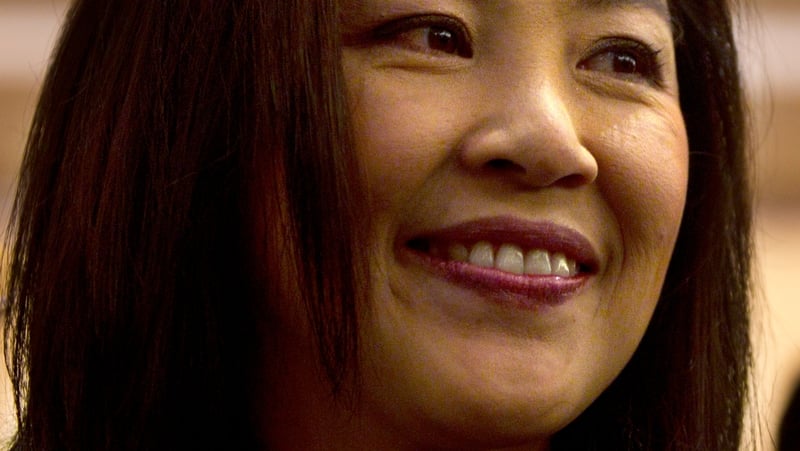
The result puts Thaksin's sister, Yingluck Shinawatra, on the brink of the premiership and closed all loopholes for immediate intervention by his opponents in the establishment and military.
Puea Thai's win had much to do with Thaksin's name and political brand and the margin of victory has eased fears of imminent turmoil.
However, analysts say the rivalry between the billionaire and conservatives is so deeply entrenched that future confrontation is inevitable.
Puea Thai had no trouble forming a five-party coalition today and the generals who overthrew Thaksin in 2006 have signalled they will accept his new government, suggesting an accommodation may have been made with the military top brass.
Any attempt to thwart Puea Thai is seen as risky and a potential lightning rod for more unrest.
The 44-year-old businesswoman plans to roll out a long list of Thaksin-style populist programmes.
The programmes - from subway extensions to big wage increases and various giveaways aimed at boosting spending power, especially in rural areas - could influence the direction of Southeast Asia's second-largest economy.
However, the revival could be short-lived and with power back in Thaksin's hands, trouble could be on the horizon, especially if Puea Thai seeks amnesty allowing the tycoon to return from exile without serving jail time for corruption.
Thaksin's return would represent another threat to the decades-old influence of the 'old money' elite in the running of the country, where patronage and politics is deeply intertwined and powerful alliances with top generals is used to preserve or pull down governments.
Thaksin is keen not to rock the boat and said today he was happy living in Dubai and wanted to retire, with no plans to return as prime minister.
