

Spain's ruling Socialists are reeling from stinging losses in local elections and now have to balance voter anger over high unemployment and investor demands for austerity measures.
A week of protests by Spaniards fed up with the stagnant economy and the EU's highest jobless rate preceded yesterday's elections, which left the Socialists out of power in most of the country's cities and almost all of its 17 autonomous regions.
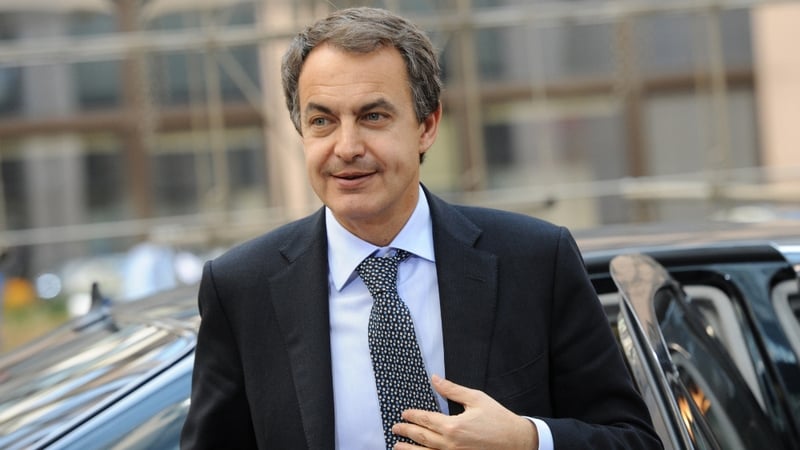
Prime Minister Jose Luis Rodriguez Zapatero on Sunday night conceded the Socialists (PSOE) had lost heavily but said he planned to stay on to the end of his term in March next year.
The centre-right opposition Popular Party (PP) has called for the Socialists to resign several times in recent months, but leader Mariano Rajoy did not call for early elections at a victory rally on Sunday night.
The Socialists have avoided losing budget votes and having to call early elections with the support of small parties like the Basque Nationalist (PNV).
‘PSOE will hold on to minority government as long as they can…making deals with PNV, for example, who have got more power,’ said David Bach, Professor of Strategy and Economic Environment at IE Business School in Madrid.
The PP grabbed several traditional Socialist strongholds for themselves, including the city of Seville and the Castilla-La Mancha region, both plagued with especially high unemployment.
In the aggregate municipal vote nationwide the PP had a 10-percentage point lead over the Socialists, who have not lost so badly in municipal elections since democracy returned to Spain in 1978 after the Franco dictatorship.
Spaniards had been patient for three years of economic trouble, but this wore out in the run-up to the elections when tens of thousands of mostly young protesters took to the streets in cities around the country.
The PP will try to use momentum from Sunday's landslide to win at national level, but does not have enough seats in parliament to win a vote of no confidence and may have to wait.
The Socialists meanwhile have to choose a successor to Zapatero, who has said he will not run for a third term. Deputy Prime Minister Alfredo Perez Rubalcaba and Defence Minister Carme Chacon are both contenders.
Analysts say Zapatero's staying on could give the economy more time to pick up and boost the Socialists' chances to win again or at least to limit PP gains.
The election took place against the backdrop of the euro zone debt crisis, which forced Zapatero to make steep spending cuts to fend off concerns that Spain would follow Greece, Ireland and Portugal into budget problems and a bailout.
The premium investors demand for buying Spanish rather than German bonds rose to its highest since January amid concern over Greece's efforts to deal with its debt crisis without restructuring.
Some analysts have voiced concern new regional leaders in Spain might uncover budget shortfalls.
Zapatero has promised no more austerity measures, a fresh round of which could provoke renewed protests.
