


The HSE has apologised to women affected by a miscarriage misdiagnosis for the distress caused to them and their families.
It said that after the issue emerged in June last year, maternity hospitals received over 400 telephone calls from women concerned they may have had a misdiagnosed miscarriage.
The results of a 57-page review published today found that there had been 24 cases of miscarriage misdiagnosis.
The HSE has said that six of the cases were outside of the five-year review period, but were included in the review at the request of the women.
The National Miscarriage Misdiagnosis Review was chaired by Professor William Ledger, head of the Department of Obstetrics and Gynaecology at the University of Sheffield.
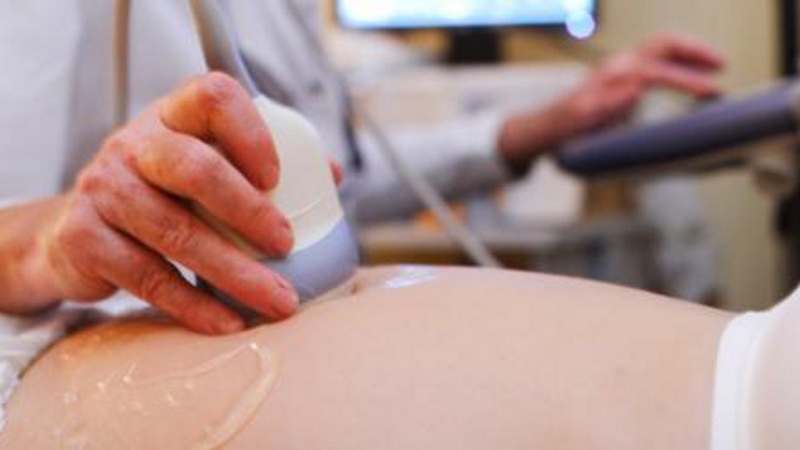
Prof Ledger said that the misdiagnoses occurred at the very early stages of pregnancy, when ultrasound diagnosis alone is unreliable, due to the risk of missing a tiny foetus or heartbeat.
The report recommends a review of the quality and suitability of ultrasound equipment and the replacement of equipment where necessary.
It calls for new national guidelines for the management of early pregnancy complications; something that the HSE said was being implemented in all maternity hospitals.
The report also recommends procedures for a second ultrasound scan to allow for confirmation of a miscarriage diagnosis by a senior doctor and to allow for more time for extra tests.
While doctors recommended surgery or drug treatment when the misdiagnosis was made in error, the babies were saved after mothers sought second scans.
Minister for Health Dr James Reilly has said that all ultrasound equipment over five years old will be replaced within the next few weeks.
Initially, 32 possible cases were referred to the review by hospitals but it was decided that 24 met the inclusion criteria.
The review was set up in June 2010 after the first case emerged where a woman from north Dublin had attended Our Lady of Lourdes Hospital in Drogheda for a scan in 2009.
Melissa Redmond was informed she had miscarried and was told to have a dilation and curettage procedure and to take an abortifacient drug.
But after going back to her GP she had another scan, which showed a foetal heartbeat.
Later, the HSE said that six of the 24 miscarriage misdiagnosis cases were outside of the five year review period but were included in the review at the request of the women.
