


The International Monetary Fund has said it will assess what measures and help are needed to address the devastation caused by the flooding in Pakistan.
The IMF will meet senior officials of the Pakistani government in Washington on Monday and will discuss the future of Pakistan's $10 billion IMF programme, agreed in 2008, which was already off-track before the floods hit.
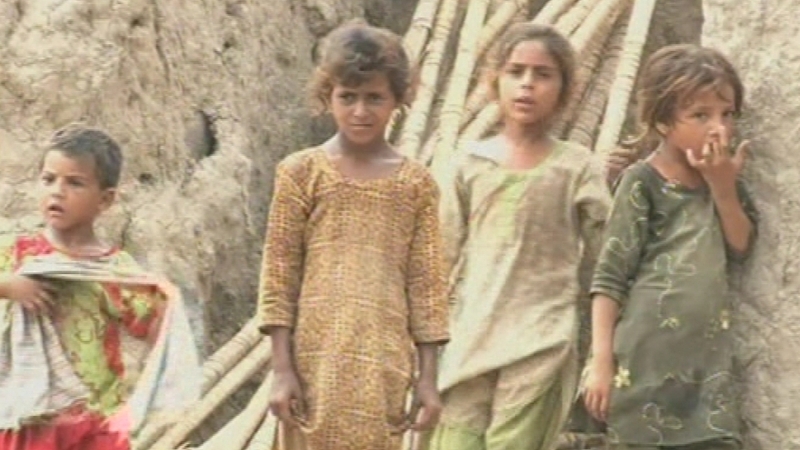
Pakistan's government is struggling to deal with more than four million people left homeless, along with widespread damage to crops and infrastructure.
Pakistan has accepted an offer of $5m in aid from its neighbour India in a rare expression of goodwill between the countries.
UN Secretary General Ban Ki-moon praised the global community as emergency donations for Pakistan neared $500m but warned the flood-stricken nation faces ‘years of need’.
Donations have outstripped the $460m sought by the UN emergency appeal as the global relief effort kicked into gear amid impassioned pleas for help by Pakistan.
The Pakistan government says the country has now reached crisis point and the southern province of Sindh is worst hit, with more than 2.5m people affected there.
New warnings are being issued and villages are being evacuated.
Elsewhere, the only way that flood relief can reach parts of the northwest of Pakistan is by helicopter.
US military helicopter crews are now providing vital supplies to those remote areas.
Meanwhile, the World Health Organisation says there has been a 30% increase in the number of cases of diarrhoea in the country.
There are already over 38,000 cases of acute diarrhoea and at least one case of cholera has been confirmed.
The WHO’s representative in Pakistan, Dr Guido Sabatinelli, said the situation was very serious and warned that the worst was still to come.
He said there is now also an urgent need to protect the flood victims from the rapidly growing threat of malaria.
