


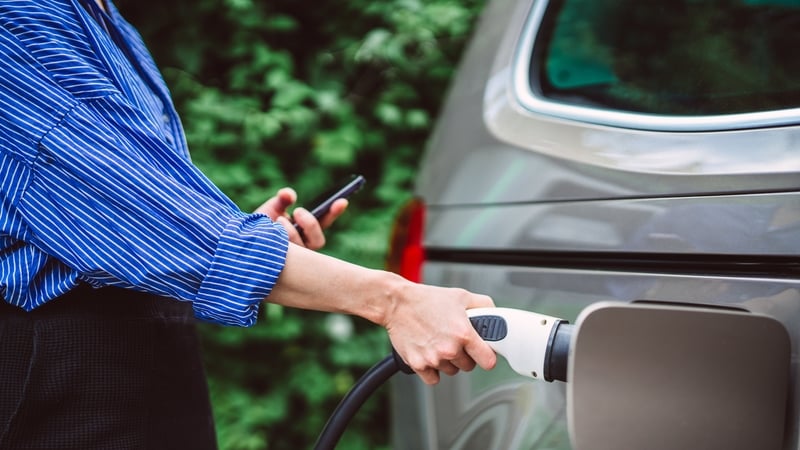

2025 was a very good year for electric car sales on the Irish market, with the final year figures showing that EV sales accounted for just under twenty per cent of a total market of almost 125,000 new cars.
After some bumpy periods when EV sales fell back, it seems more and more buyers are opting for all-electric motoring.
However, a considerable number of people are still making petrol and diesel choices. While diesel has been in significant decline, there were still almost 28,000 new diesels bought last year and almost 36,000 cars with petrol engines, bringing the total for the year to 64,409, as against 17,164 EVs.
Hybrids, incidentally, accounted for just over 23 per cent of sales at 25,310, and there were just over 12,000 plug-in cars sold.
When it comes to second-hand options, diesel and petrol remain even more popular choices for buyers. The end-of-year data from DoneDeal.ie shows that the most searched-for cars on the site were either diesel (47.9 per cent) or petrol (21.9 per cent).
These statistics suggest to a number of industry figures that many second-hand buyers may be holding off making a switch to EVs until the market reflects more choice, affordability, more range from the cars and a wider national fast-charging network.
The DoneDeal data also reveals that among the most popular brands being searched for are Volkswagen (13.8 per cent), Audi (11 per cent), BMW (10.8 per cent), Toyota (9.3 per cent), Mercedes (7.1 per cent), Ford (5.7 per cent) and Skoda (4.5 per cent).
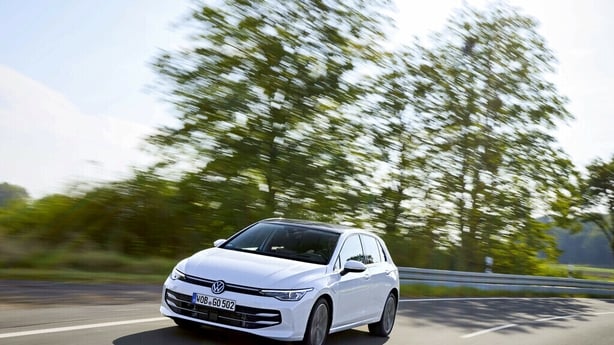
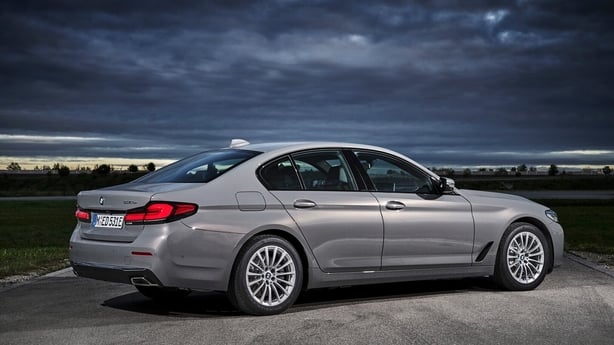
The Volkswagen Golf - in petrol or diesel versions - is the single most searched-for car, followed by the BMW 5 Series and the BMW 3 Series.
Cars such as the Hyundai Kona, the VW ID 4 and the VW ID 3, were the top three EV’s searched for, followed by the Kia EV6 and the Nissan Leaf.
Something to watch out for next year is the effect of the EU’s decision to row back on a total ban on internal combustion engines - diesel and petrol - from 2035. Strong pressure from big car-producing countries, such as Germany and Italy, who complained of increasing competition from Chinese manufacturers and warned of possible job losses, has prompted a rethink.
Car companies will now have to reduce emissions by 90 per cent, instead of 100 per cent, by the deadline. The remaining 10 per cent will be offset by using low-carbon steel for producing cars or through the use of sustainable fuels, such as hydrogen.
The decision means manufacturers can continue producing petrol and diesel cars, plug-ins, range extenders and mild hybrids.
The EU Commission says it will be encouraging - through "super credits" - manufacturers within the EU to make small and affordable electric cars.
It now remains to be seen how the latest decision might affect consumers’ choices when it comes to their buying options in 2026.
