



Whether it's clenching your jaw or poor posture, facial tension can become a highly distracting discomfort, and one with long-lasting effects on your appearance.
If you sat and watched LeAnn Rimes wail in a now-viral video of the singer undergoing a "deep jaw release", feeling a mix of envy and confusion, you're not alone.
Torn between empathy and secondhand embarrassment, scores of followers commented on the video, with a healthy proportion of them wishing they could have the same emotional release, or at least get rid of the tension in their jaw and face.
Modern wellness and self-help culture teaches us that the body keeps the score, to borrow from the title of Bessel van der Kolk's influential book, and this would apply, of course, to muscles.
For some of us, stretching and possibly even regular massage have become part of our wellness routine, but what about tending to some of our hardest-working muscles: our facial muscles?

We have about 20 flat skeletal muscles that attach to different places on our skulls, responsible for eating, breathing, speaking and making expressions. When these muscles start to tighten and constrict, not only is it uncomfortable, but it can impact how we eat, speak and breathe.
Dr Ahmeda Ali from WedDoctor.ie notes that stress is at the core of this, and that "when we are under pressure, our body goes into a fight or flight mode, and when that happens, the muscles tighten up", from the ones around the mouth up to the ones around the forehead and eyes.
Dr Ali also notes that bruxism, or clenching your teeth, can lead to facial muscle tension, so too can "spending like long periods of time at screens" and "habits like chewing gum a lot or holding tension in the face without realising it".
Tight facial muscles can also change the shape of our faces, thanks to their unique makeup in our anatomy.
"What's really interesting is, so when we look at the anatomy, facial muscles are directly attached to the skin. So chronic tension can actually change how we look over time", Dr Ali explains.
"If we're constantly frowning or clenching our jaw or having those repeated kind of movements, it leads to deeper expression lines, wrinkles, particularly around the forehead, eyes, and the mouth area."
"Ongoing clenching can actually make those muscles become bulkier", she says, leading to a larger, more square jawline or an overall tired appearance. "And it's literally because the muscles are under constant strain and pressure."
This, Agnes Gajewska says, can lead people to try and treat the changes with cosmetic tweaks, which won't help as long as the underlying issues continue.
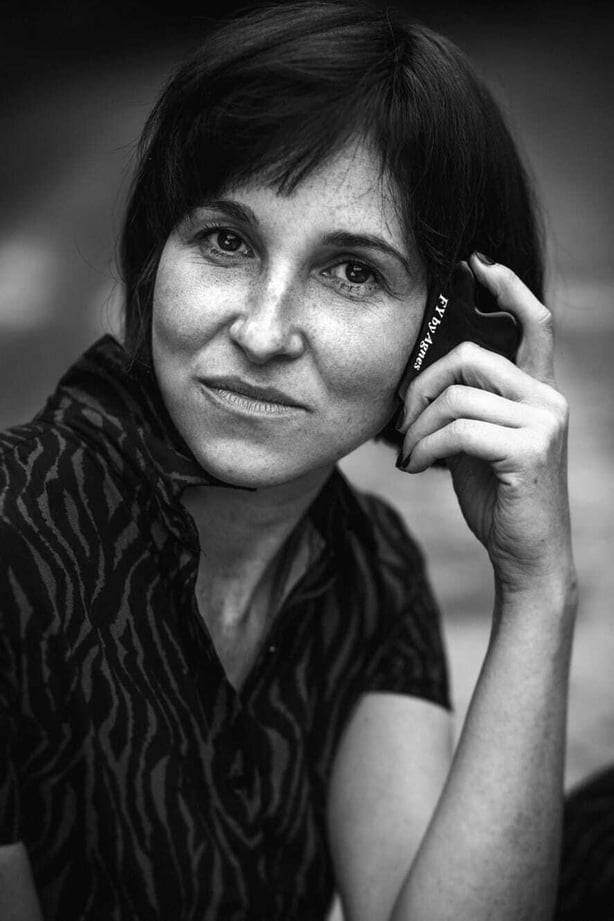
Gajewska, a celebrity skin therapist to stars like Roz Purcell, leads workshops on buccal massage and face yoga, and has trained over 100 therapists in her technique for sculpting the face naturally.
A champion for ageing 'naturally', Gajewska highlights how facial tension is resolutely not a 'cosmetic issue'.
"You blame a lot of other things at the beginning. You will [say] it's the hormones. [It's your] period, it's the time of the year, you know, it's weather changing, I'm extra tired."
She echoes Dr Ali's points that facial tension can be linked to overall posture, saying that "the shoulder will drag then the neck, the neck will drag the lower part of your face, and then you have those jowls that you complain [about] thinking, oh, it's a cosmetic issue".
"And even if you do those very expensive fancy cosmetic procedure, if you don't improve [the other issues] ... there is no way that you can get that lift on the lower part of your face."
So if you're reading this with a tight face that's feeling tighter by the minute, what can you do to help? Dr Ali suggests beginning with a simple relaxation exercise.
"If you keep your teeth slightly apart and your tongue resting gently on the roof of your mouth, that's the relaxed jaw position", she says, adding that moving the jaw from side to side and opening and closing the mouth slowly can release muscles.

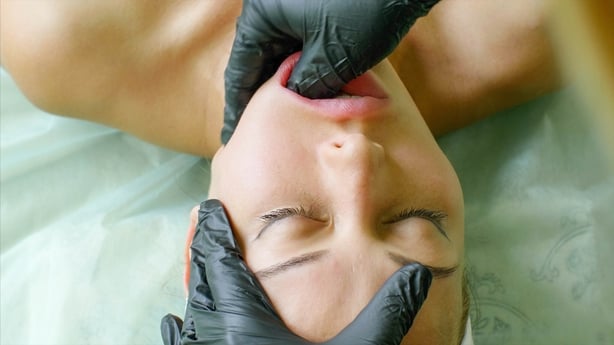
Amanda Nordell, an acupuncturist and herbalist with a background in nursing, offers buccal massage, a popular treatment that uses intraoral massage to target the tension within and around the jaw.
"Some people come for the look. They'll have seen a photo of themselves and they notice that the face, that their face has changed, you know. And then some people come for the feel because they're getting headaches or they're waking up with tension in their face", she explains.
"There's some work that we can do from the outside in terms of softening and lengthening the muscles, but to really get in and release the muscles and the muscle insertions, it can be done more effectively when we use the intraoral techniques", she says.
She shares a step-by-step guide to doing buccal massage at home on her website, but adds that keeping the area loose and relaxed is a good start:
"Check in terms of your shoulder tightness, your neck and shoulders. Shoulder rolls are good to do, and lifting the shoulders up to the ears and dropping them down, and little kind of neck stretches, because all of that area is interconnected."
Another exercise, Gajewska shares, is one you can do throughout the day, using just your fist.

"You just create a fist and you place [it] under your cheekbone and you're moving your hand down firmly with your knuckle or with your gua sha, for example, with your mouth open and [then] with your mouth closed."
In Gajewska's workshops, she has seen the emotional release of this treatment in her clients, saying: "You're actually reducing a lot of trauma from the muscles. So when people coming to me for buccal massage, quite often they will cry, not from the pain, but you're releasing the trauma.
"You will feel discomfort, but I don't want you to be in pain."
More important, however, is getting to the root of the stress itself, Dr Ali says. "If we can get to the root cause of it, that's the best way to kind of relieve this tension."
Always consult your GP or a medical professional if you have concerns about your health.
