


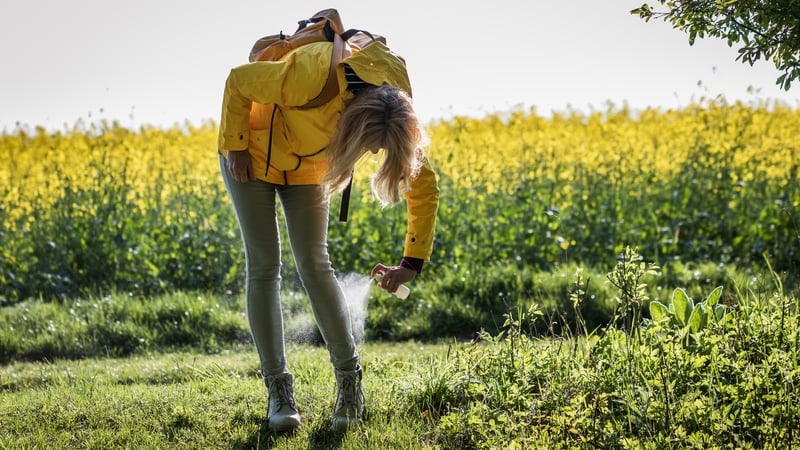
With the good weather continuing, more of us our getting out into nature to lap up the sunshine. But while we're enjoying our hikes, sea swims and BBQs, keeping an eye out for ticks bites should be as much of a priority as putting on a healthy layer of SPF.
We spoke to Dr Ahmeda Ali, a GP and an expert from Webdoctor.ie, about what to look out for, how to prevent tick bites and what to do if you spot one on yourself.
"We as GPs, as soon as it comes around to this time of the year, every spring and summer, we see patients worried that they've done something wrong, when in reality tick bites are simply part of spending time outdoors in Ireland," Dr Ali says.
But what are ticks?
Ticks are tiny spider-like insects that live outdoors, and can be found all around the country, from national parks and hiking trails, to our own gardens. "They don't jump, they don't fly, they actually sit in long grass or vegetation and they attach themselves to a person or an animal as we brush past", Dr Ali says.
Once a tick is attached it feeds on our blood and then drops off, but Dr Ali adds that very often we don't feel the tick bite at all so it's easy to miss when one has attached itself to us.
So Dr Ali's suggestion is to do the "tick checklist" after you've been outside in the garden or out for a walk or a hike.
"Check your legs, behind the knees, under your arms, around the waistline, behind the ears and the scalp. It's really important to check children carefully, especially in the head and neck area for kids, and just check pets and clothing before coming indoors."
If you spot one, Dr Ali says that a fine-tipped tweezer is all you need for removing it. It's especially important to remove the tick as soon as possible, but don't just yank it out either - that risks leaving part of the tick behind in your skin.
"Use those fine-tipped tweezers, grip it close to the skin and pull it straight out but slowly and steadily because if you do it fast, you know, it will remove maybe possibly half the tick", Dr Ali says.
"There are some old remedies that people like to use like burning it or smothering smothering it in oil, but as GPs, we would advise against that because unfortunately that can actually increase the risk of infection."
Once the tick is out, clean the area, make a mental note of the date, and keep an eye on how things are over the next couple of weeks.
So what happens to you after a tick bite? Dr Ali says usually nothing at all: the bites are painless and when cleaned properly will heal themselves.
However, "there are a small number of ticks which carry Lyme disease, but it's important to say that not every tick carries infection, and early removal of the tick actually reduces any risk. even if there is an infected tick, it usually needs to be attached to the skin for many hours before it can actually pass on the infection".
Dr Ali says that a red rash is a sign of some kind of infection. "If it starts to spread outwards, sometimes it can have a 'bullseye' look, but not always. And it has this red ring around the kind of the point where the tick was infecting the area. It usually doesn't itch or hurt, it just usually slowly gets bigger."
This rash can appear 3-30 days after the actual bite, so it's important to note down the date you spotted the tick, and can sometimes come with flu-like symptoms.
If you're worried you may have an infection from a tick bite, Dr Ali says to "speak to your GP or contact us online at webdoctor.ie and mention that you've been bitten by a tick".
"And what you can do is upload a photograph for us to assess and we'll ask you a few questions and then we'll take it from there. when we treat it early, the treatment usually works very well, so it's just about catching it early."
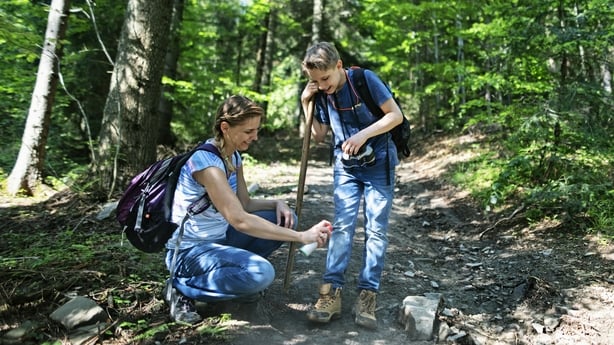
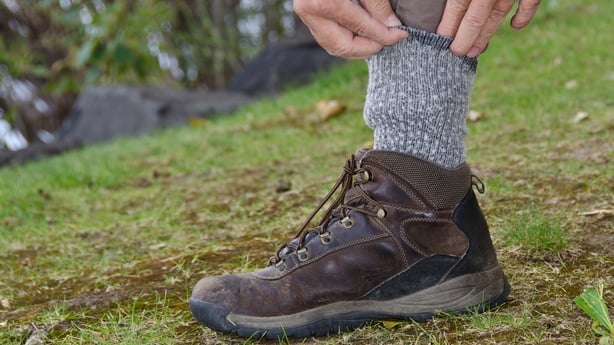
Finally, when it comes to preventing tick bites, coverage is key: Dr Ali suggests wearing long sleeves, trousers, and tuck your trousers into your socks, and using insect repellent.
