




John Lowe of MoneyDoctors.ie gives invaluable advice on how to shop smart with the austerity challenges ahead of us with amid rising inflation.
With the current increases in oil prices, everything is more expensive, in particular electricity, heat and food. But keeping positive and planning is one way to journey through this worsening cost of living crisis.
The main component of planning is creating lists. For instance, do you plan before you shop for groceries? Do you always bring your loyalty or discount cards and vouchers with you when shopping? Do you remember to check what's in the pantry or fridge before you leave home?
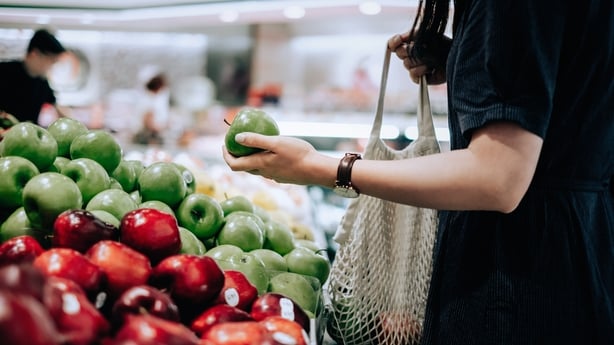
Here are my top tips for stretching the euro when it comes to your grocery shopping.
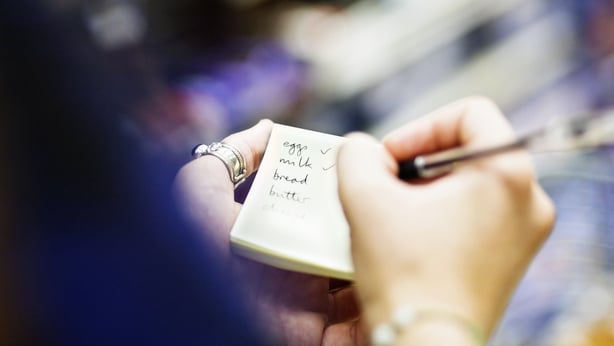
1. Always shop with a pre-written grocery list. Stick to what is on the list.
2. Check to see what you need before making out a shopping list - many shoppers buy items they already have in stock. Check your pantry, fridge and freezer!
3. Create a daily list for updating, be it on your phone or on a physical notepad. If you run short of tea, washing-up liquid, kitchen towels, these can be added to your main shopping list.
4. Look for special sale announcements in your store or in newspapers, radio and television. It may be worth your while to buy a month’s supply of an item you would normally buy- if you can avail of a huge discount.
5. Shop only once a month for your non-perishables. This means you have to plan for the full month and should not overspend by additional visits to your local convenience store.
6. Don’t shop on an empty stomach. I need to reread this one myself!
7. Keep your shopping receipts. You should track your spending and compare prices. Some of those receipts also offer discounts on your next shop or on certain items.
8. Buy direct when you can. All vegetables and fruit come from the land and always taste much better if bought fresh from producers. If you have access to a local farm, buy directly. Apart from saving money, you will benefit nutritionally from the fresh produce and are helping support independent producers.
9. Grow your own. If you have a garden or a plot, try growing a few vegetables, or you could try growing your tomatoes in the house.
10. Buy in bulk. Economies of scale apply, in particular to non-perishables (such as rice or tins of beans) and toiletries (24 roll tissue packs). You will need to analyse your consumption to evaluate your bulk needs.
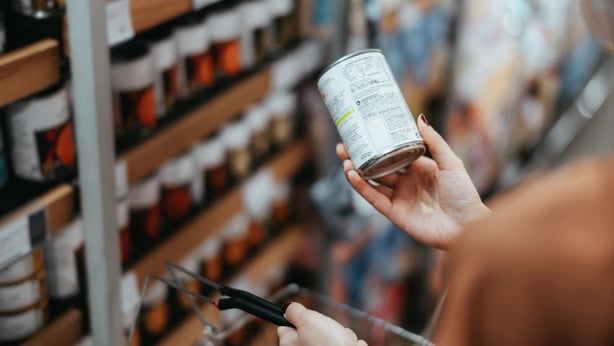
11. Don’t buy in bulk unnecessarily. A half a ton of nails at rock bottom prices might be fine if you are a carpenter. Some special offers, such as "3 for the price of 2", might not suit your palate.
12. Shop online. This can also be cheaper because impulse buys no longer apply. Delivery charges are negated by the cost of travelling to your supermarket and parking. Not to mention the pastry and coffee you'll pick up while you're out!
13. Look for reputable online discount websites – before you shop, you should spend a few minutes checking out some of the discount websites for economies such as Groupon, Done Deal and Voucher Pages.
14. Check the date on all your purchases before you buy. There's no point in arriving home with out-of-date food fit for the bin or food that won't last long in the fridge. The same goes for food in stock – ensure that you consume foods that have been stored the longest and, of course, that are still safe to eat.
15. Avoid buying at the check-out and never ask for cash back. You are bombarded with chocolates, batteries, magazines and more in that last-ditch attempt to lure the money from your wallet. Resist the temptation!
16. Bring your own bags to the store. There is a 22c charge for every bag bought at the check-out used to carry your purchases. You could kill two birds with one stone by buying biodegradable and environmentally-friendly bags.

17. Avoid snacks after shopping. You have been shopping for an hour and instead of going to the store café for a coffee and a sit down, go home, and put on the kettle.
18. Bring your own lunch to work. Prepare your own roll or baguette and refill your water bottle, as long as the water is fit to drink from the taps.
19. If you haven't got it, don't spend it. Or at least, if you do use your credit card, overdraft or borrow, know when and how you are going to pay it back
20. Don’t forget to take your loyalty points. Stocard is a free app that will store all your discount cards on your smartphone.
The views expressed here are those of the author and do not represent or reflect the views of RTÉ.
For more information, click on John Lowe's profile above or on his website.
