




As a 2027 bride-to-be, I have spent far too many hours trawling the internet for tips, tricks and expert advice relating to matrimony.
At first, I was in fairly normal territory, reading up on wedding dress fittings and live entertainment options. Before long, though, my algorithm was flooded with tidbits I never would have even thought to question.
For example, did you know that brides should hold their bouquets below their belly buttons, not up by their chests? Have you heard that the optimal time for a photographer to capture your 'just married' kiss is at least three seconds?
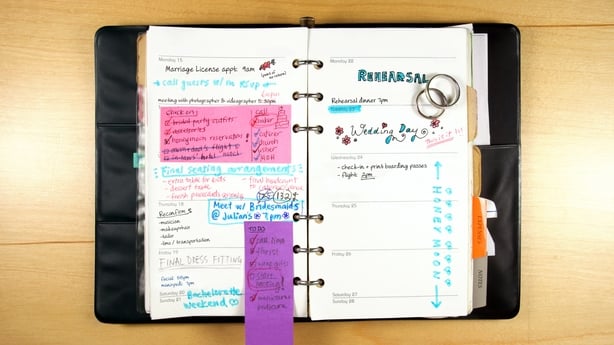
The sheer amount of obscure and ultra-detailed suggestions was overwhelming, and I was soon drowning in a sea of ads for little white dresses and 12-month-long 'glow up' routines.
To save you from the same fate, I have compiled everything I have learned about wedding planning, from saying yes to sending thank-you cards.
1. Put down the phone
Chances are, the second you tell people you are engaged, you will be inundated by loving congratulations and many well-meaning, but panic-inducing questions.
'How did the proposal happen? Have you got a day set? Where will you have it? Are kids invited?'
From there, your social media will somehow sense the ring on your finger, and fill your feed with colour schemes, song choices, DIY decor tips, and advice for cutting down your guest list.
The first thing I can recommend to any newly engaged couple is to stay in the moment for as long as possible. This experience is only going to happen once for the two of you, and the time to enjoy it is finite, so make sure to revel in the romance.

2. Choose your top three
When you are ready to start planning, the temptation to dive into research is enticing, but all that work will be pointless if you don't know what you're looking for.
Sit down with your partner and figure out what's actually important to you both. Do you want to marry at home or abroad? Do you want every cousin in attendance or just a select few loved ones? Do you want to dance all night, or would you prefer to start early and end early?
And the big one: How much do you realistically want to spend on this day?
Before going to any venue, you need to be clear on your priorities, your budget, and how you and your guests want to feel by the end of it all.
To get started, try to choose three must-haves and go from there, e.g. big venue, a live band and a great photographer, or an intimate venue, a fancy wedding cake, and a DJ.
3. Check out some venues
Once you figure out all of the above, plus a rough number of guests, you can start approaching venues. If you have your heart set on a Friday or Saturday between April and September (or Sunday of a Bank Holiday weekend), you should prepare yourself to be flexible with your date as these are in high demand.
If you know that June is the only month that works for you, though, you might consider a Thursday or Sunday wedding, as these likely won't be as booked up.
It's also good to remember that many proposals happen at Christmas, so January is a very popular time for snapping up places!
Some things to consider:
- Does the venue offer accommodation?
- Is there a discount for wedding guests?
- What exactly is included in the price?
- Is alternative accommodation or public transport available nearby?
- What are the menu options?
- Will they be available to provide food for your vendors?
- Is there somewhere to get ready with hair and make-up artists?
- Is there good lighting, or will you need to bring a ring light?
- Is there a resident's bar?
- Is there an option for early check-in and late check-out?
- Do they have a safe place to store presents and cards?
4. Get organised
Write it all down
I used an Excel sheet to keep track of the many (many) e-mails I sent and received during my first month of wedding prep, and I would recommend it to anyone planning a big event.
I had separate tabs to keep track of celebrants, bands, DJs, make-up artists, hair stylists, photographers, videographers, bridal shops, as well as a general to-do list.
Mark down the suppliers you are contacting and the date you contact them - this way, you'll know when they're due a follow-up.
You can then note whether they are available, their cost, the deposit required, what you have paid, what you owe, and whether you have returned the contract to them.

Wedding e-mail
This amount of information you're taking in will quickly get out of hand unless you keep a list of them, and I've heard of couples setting up designated wedding e-mail addresses to keep everything in one inbox that can be accessed by both people.
Copy and paste
Many photographers will ask for your story as a couple (how you met, how you fell in love) when requesting a booking, so have a short version written out and saved in your notes, ready to copy and paste at a moment's notice.
Generally, all vendors will want to know the date and venue where the wedding will be taking place, so have this information ready to go, too.
Gift tracker
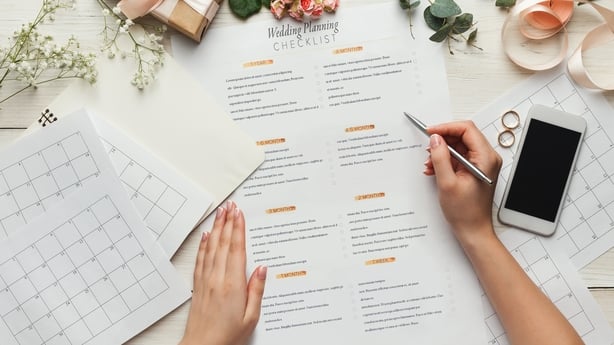
You will likely have a few lovely cards and gifts sent your way during this time. If you want to send thank-you cards after all the celebrations are behind you, try to keep track of everything by keeping a list in your notes app on your phone or in your trusty Excel sheet.
Honeymoon plans
Now is a good time to decide if you want to walk back up the aisle and straight to the airport or give yourself some time to plan something further down the line.

5. Book your vendors
The venue you book with will likely have preferred vendors, but don't be afraid to look elsewhere, particularly if you have your heart set on a specific style of music or photography.
It's important to focus on what you really care about as a couple because this is usually the time when a lot of strong opinions will be thrown your way.
Once you have done your research, the vendors you should focus on first are:
- Solemniser (person who marries you both)
- Band and/or DJ
- Photographer
- Videographer
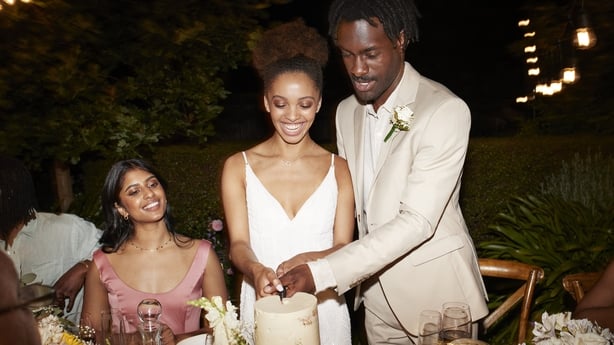
6. Celebrate in (your) style
Instagram and TikTok would have you believe that every second of a wedding experience - from the engagement to the day two - is absolutely essential and should be filled with balloons, champagne, and sparkly dresses.
If this is your vibe, fantastic! But if not, don't be afraid to opt for something more low-key. Organise a small dinner with friends to mark your engagement, or simply take some time for just the two of you.
Remember, your family and friends will likely attend many weddings in their lifetimes, but you only get to enjoy your wedding together this once.

7. The legal bit
Whether you are getting married with a religious, civil, or humanist ceremony, you will need to follow some steps to become legally married in Ireland.
3 Month Rule: You will need to give the State at least three months' notice of your intent to wed. However, the waiting list for appointments may be long, so do this as soon as possible. Before you book, you will need to have a checklist of documents ready.
Documents: You will both need to bring your passports (and copies), your birth certificates (and copies), utility bills as proof of address from the previous 3 months (and copies), and your PPS numbers. Non-Irish nationals need proof of immigration status.
You will also need to provide the following:
- The type of ceremony (civil, religious or secular)
- Name and address of the proposed venue
- Name of registered solemniser
- Name and date of birth of both witnesses aged 18 or older
- A fee of €200

Get your green book
When you have all of the above done, you can contact your HSE Civil Registration Service to make an appointment. Remember: both partners must attend in person.
When you meet the registrar, you will both sign a declaration stating that you do not know of any legal reason why the marriage cannot happen. If everything is in order, the registrar gives you a marriage registration form (MRF), better known in Ireland as 'the green book'.
When the time comes, you will give the green book to the person who will be solemnising your marriage.
Other paperwork
While you're completing your admin, there's no harm in looking at other paperwork that may need to be done, such as getting your wedding ring insured, looking into overall wedding insurance, and ensuring you have signed contracts with your vendors.

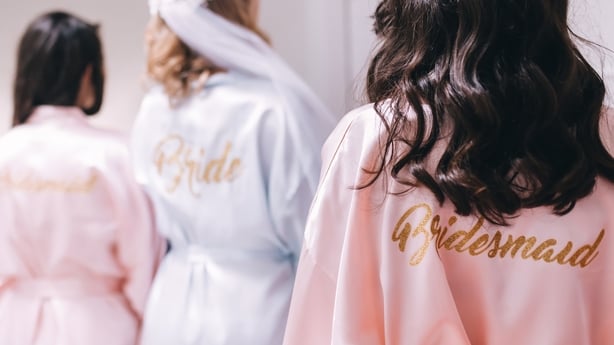
8. Pick your people
By this stage, you should have a good idea of what you want your wedding day to look like, which will help you picture the people you want surrounding you in all the quiet and chaotic moments.
Remember, there is no need to choose bridesmaids and best men if you don't want to; you can simply have some good friends around you on the day without the titles. Make your wedding your own.
If you are going down the traditional route, choose people who will guarantee good vibes.
Who will keep you calm and happy as you try to sleep the night before? Who will ensure that you are on time for hair and make-up? Who will keep the room tidy for photos? Who will make sure you have snacks to hand?
Once you have asked your people, you can begin to make plans for your hair, make-up, dresses, shoes, and suits.
After that, you can start planning the all-important hen and stag parties...
9. Save the Dates
The second I had a venue confirmed for a set date, I sent the information to my immediate family, close friends, and loved ones who would be travelling in from abroad. Life gets busy, and I was happy to send a casual text to ensure my most important people could be booked in.
Once I get myself organised, I'll post save-the-date notices to my guest list, as I'm planning to send online invitations only.
I'm happy to invest in quality save-the-date cards - which will likely be pinned on notice boards and stuck to fridges for the next 12 months - and stick to digital wedding invitations that will allow my RSVPs to be logged digitally.
I was lucky enough to have a sister/maid of honour who is an artist, so our designs were customised to us. If you're looking for something similar, be sure to get in touch with your local art studios!

10. Dress Shopping
Pinterest is a great place to scroll for wedding dress inspiration, and once you find a few styles that appeal to you, you'll likely come across the same names time and time again.
Thankfully, a number of Irish bridal boutiques stock designers from across the world, so if you have your heart set on a particular designer, be sure to check if they have an Irish stockist.
You will most likely have to book a slot and pay for an appointment, and these sessions usually last around one hour and cost about €20-€30.
To keep things moving, you may be limited to how many guests can attend with you, and you will likely receive a style consultation form on booking, which will inform the staff of your preferred style, shape, and price range.
Be sure to wear nude, seam-free underwear or shapewear, as well as shoes of a similar height to what you expect to wear on your wedding day.
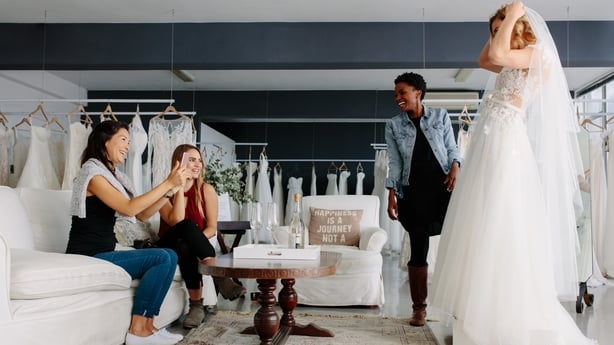
According to Truly Bridal Boutique, most brides will start looking at dresses about 12-18 months away from their wedding date.
"A lot of the designers in Truly Bridal will take about 6-8 months to arrive, so if you start shopping then, it gives you plenty of time to order your dress, shop for accessories, and then go to alterations."
If you don't have that kind of time to spare, ask your bridal shop if they have designers with a shorter run time or the ability the rush order certain dresses. Alternatively, you could choose an off-the-rack dress, which you can bring home on the day you buy.
Alternatively, you could find something beautiful second-hand on Vinted, Depop, or sustainably minded sites like Cirq.
Grooms can get by a little more relaxed with their timelines, with most men making their appointments about four months out from the big day. Be sure to give yourself a few weeks' wiggle room, as tailors may book up during certain months.
While small tweaks may only take a few days to make, major adjustments or special orders may take weeks, so don't let yourself get down to the wire. Ahead of the appointment, try to have an idea of what style and colour scheme you want to work with.
Groomsmen, ring bearers and other suit-wearing parties will all need to be fitted, so get in touch with your tailor to get a timeline.

11. Cake, flowers & decor
Cake, decorations, lighting and flowers are all at your discretion. Sit down with your partner and figure out if you can fill your space on your own or if you would like a professional event company or wedding planner to step in.
If you are going it alone, be sure to do your homework and look up reviews for your local florists and cake makers before committing your time and money to them.
Have an idea of what your style is and shop to match, whether it be bohemian and relaxed or formal and polished. The time of year may also influence your choices, with in-season flowers and ingredients being the ideal choice.
Check in with your cake makers to see about taste tests and lead-in times, and ask if your florists will provide boutonnieres and bouquets as well as decorative flowers.
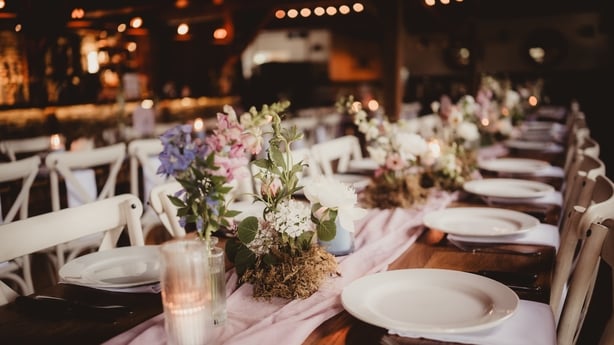
When it comes to the decor, be sure to check in with your venue to see what they provide or if they have any preferred suppliers. You should also check if anything is prohibited or if they need the space cleared by a certain time.
This is a good time to start making your table plans and figuring out how many people there will be to a table, whether you're doing a top table, and the layout of the room.
UK Wedding Planner Georgina Rose suggests focusing on your most photographed areas: where your ceremony is, a feature wall where guests will take their own photos, and wherever your speeches will take place.
She also suggests investing in things that can be "moved and reused", e.g. flowers and candles from the ceremony can be brought to the dining area.
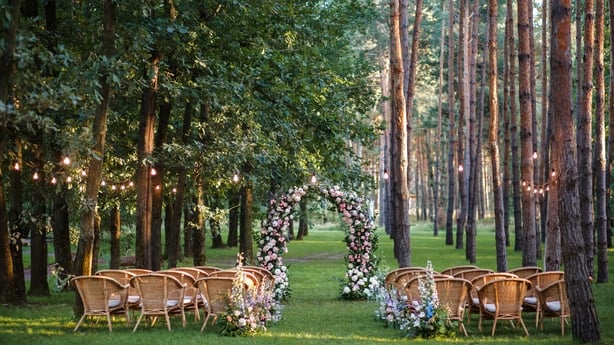
Overall, you will likely look at:
- Welcome signs
- Table plan
- Place cards
- Guest book
- Chair covers / bows
- A backdrop to your vows (arch, flowers)
- Candles and/or lanterns
- String lights or draped fabrics
- Centerpieces
- Linens (tablecloth and napkins)
- Cake topper
- Place cards
- Wedding favours
- Menus
- Props for the dance floor
- Extras: photo booth, lawn games, etc.

12. The Itinerary
Check in with your venue so that you can write out the final run of events, from the rehearsal dinner or welcoming drinks the night before the wedding, straight through to the cutting of the cake and closing time of the resident's bar.
Remember, there are multiple timelines that you will need to take into consideration. Your guests will need to know when to arrive and when they can expect to eat, but bridesmaids and groomsmen will need to know when they're expected for various duties.
Additionally, your venue will need to know what time to expect the arrival and departure of your vendors - band, photographer, DJ, etc.
Some things to keep in mind:
- When will each vendor arrive/depart?
- When will your vendors take their breaks?
- Do you need to provide them with meals?
- What will your guests do while you get your photos taken?
- Will the speeches happen before or after food?
- When will you cut the cake?

13. Wedding website
If you're having a large wedding and want a handy place to share all the details of the day, you can build a wedding website to keep everyone informed and updated.
"Wedding websites are a fantastic way to manage your communication with guests on an ongoing basis," says wedding planner Aisling McVeigh, founder of the Danu Collective.
"You can upload a guest list, send virtual 'save the dates', track RSVPs, and track dietary needs. They're a fantastic way to send an update to guests".
Wedding Builder Websites:

14. Extra details
Flowers for the parents, wedding favours on every table, betting slips for the speeches, a spare shirt in case of a spilt drink or hug-related makeup stain emergency...
These are all the details that add up, which is why I would always recommend giving yourself plenty of time to complete a thorough checklist.
Go through everything you expect to do on the day before, the day itself, and the day after step-by-step.
Ask yourself questions like:
- Will there be a rehearsal dinner or welcome drinks the night before?
- Who is in charge of bringing the green book?
- Do you have a nice pen for signing the legal documents?
- Have you worn in your wedding shoes?
- What will your entrance song be?
- Will you have a ring bearer and/or flower girls?
- Will you ask guests to do readings?
- What songs will play while you sign your wedding license?
- Is transport required for guests?
- Will late-night food be needed along with the late-night DJ?
- Will babysitters be needed for children?
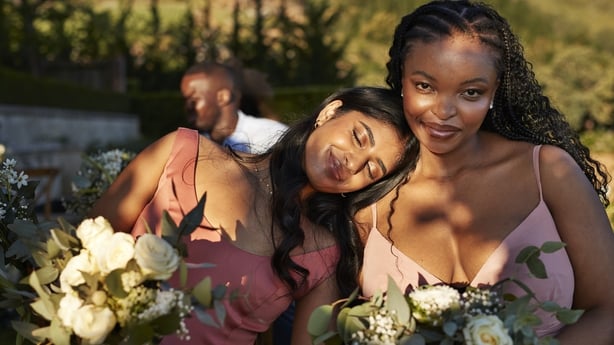
15. Pack for the room
The rooms in which the wedding party get ready need to be a mecca of cleaning products, hairpins, mints, and anything else needed in a wedding emergency.
Below is a list I have pulled together following far too many hours scrolling through #WeddingTok.
- White chalk for potential stains on white clothing
- Steamer for dresses and shirts
- Skincare and haircare
- Mirrors
- Phone chargers
- A button-up top that you can wear while doing make-up and hair
- Speakers for music
- Gifts for the wedding party
- Lint roller
- Needle and thread for emergencies
- Body tape
- Eyelash glue (for eyelashes or to keep necklaces in place)
- Perfume
- Cash for tips
- Fans, if it's warm
- Q tips
- Baby wipes
- Medications & plasters
- Snacks
- Mints
- Bottles of water
- Make-up minis for reapplying throughout the day

16. Post-wedding jobs
Once all the celebrations are over, there will be a few things left on your to-do list as newlyweds.
Register your marriage
Immediately after the marriage ceremony, the Marriage Registration Form should be signed by you and your spouse, the two witnesses, and the person solemnising the marriage.
If you get married by a civil ceremony, the registrar who solemnised the marriage will register the marriage as soon as possible after the ceremony.
If you get married by a religious or secular ceremony, you should give the MRF to a Registrar at a Civil Registration Service within one month for the marriage to be registered.
You cannot get your marriage certificate until your marriage is registered.

Thank you cards
Wedding etiquette suggests that thank you cards should be sent to your guests within three months of your marriage, although this may take longer if you immediately leave to go on your honeymoon. Regardless, you should aim to have the cards sent no longer than six months after you say your vows.
Storing or selling the dress
There are a number of specialist dry cleaners, such as Cleaning Angel in Dublin, that offer expertise in stain removal, pressing and specialist dry cleaning. If you wish, they can prepare your gown for storage with a wedding dress preservation box.
If you would prefer to sell or donate your dress, there are a number of ways to do so. Charity shops, online resale sites like Depop and Vinted, and even second-hand bridal boutiques like Cirq Bridal are great options for giving your dress a second life.

Name change
If you and/or your partner decide to change your names, you will do so following the ceremony. Visit citizensinformation for more details.
In Ireland, changing your name after marriage is optional. Your marriage certificate serves as legal proof, allowing you to use your new name by "use and repute" for things like banks and utility bills.
For changes to your passport, driving licence, and other official IDs, you must contact the relevant offices with your marriage certificate.

Final Notes
Wedding planning can quickly become overwhelming, so try to keep bringing your focus back to what matters most. There is no set way to have a wedding, so skip the cake cutting and forget the first dance if they're not of any importance to you.
Lean on your support system for help you through any busy periods, break your to-do list down into manageable bites spread out over weeks and months, and try not to let social media stress you out.
Brides often feel pressured to look a certain way, with expensive skincare routines and fitness plans targeting them from the second they say 'yes'. Try to focus on the things that actually make you feel better and be kind to yourself.
Remember: no matter how stressful wedding planning feels, or how complicated the family politics become, there is a finite amount of time where you get to be engaged, so do your best to enjoy it.
