


It's never been a better time for Irish cuisine. Taking the traditional elements of Irish cooking, whether it’s meat, fish, potatoes, or dairy, and infusing them with the knowledge and expertise of other cuisine cultures, it’s created a whole new identity for itself.
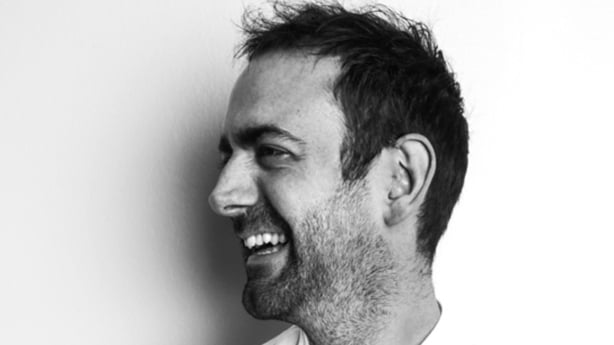
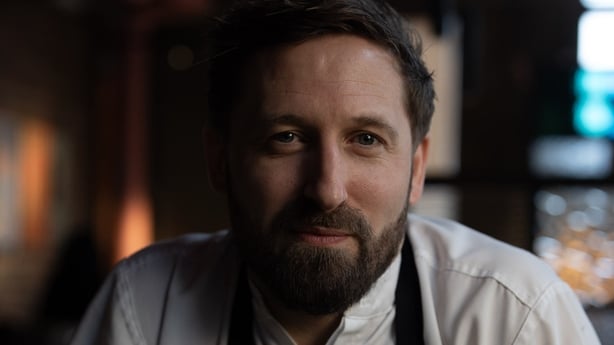
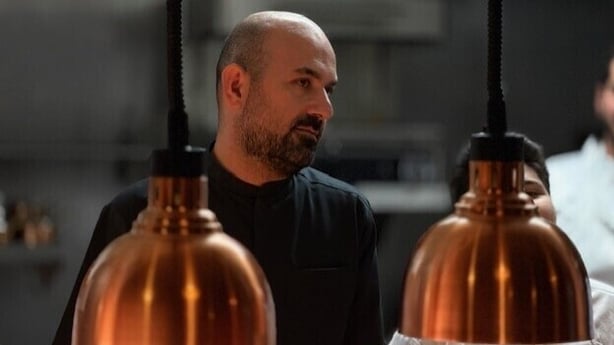
The strength of Ireland’s food scene means it hosts more than 20 Michelin Star restaurants, and a collection of world-class chefs such as Darina Allen, Richard Corrigan, Andy McFadden, Keelan Higgs, Ahmet Dede and Kevin Thorton, all practice their trade here.
The dining experience across the island is and is backed by generations of chefs and culinary experts whose dedication and commitment to excellence have continuously raised the bar.
Such a reputation didn’t happen overnight, ; it was down to the consistent effort upskilling and developing the ecosystem needed for it to thrive, with TU Dublin playing a sizable role in this.
With over 85 years of experience, TU Dublin's School of Culinary Arts and Food Technology delivers world-class teaching and learning to help shape the next generation of leaders in the food and drink sector and continues to find new ways to stay ahead of international trends.
Its Grangegorman and Tallaght campuses feature state-of-the-art facilities and a course structure that encourages creativity, with honours and master's degrees that delve into different aspects of cuisine. It prepares its students for life in world-class restaurants through its applied-learning approach, opportunities to intern at leading restaurants in Ireland and abroad, and space to apply their creativity to food.
The beauty of these courses is that they aren’t just for chefs; they’re for anyone with an interest in food and what goes into its creation.
One example of how TU Dublin is leading the way is its BA in Food Sustainability and Botanical Cuisine, a new honours culinary arts course that is the first of its kind in Europe.
With a focus on farm-to-table, it is designed to help contemporary chefs navigate rapidly changing food trends and create more holistic kitchens and restaurants. The course covers areas such as growing your own fruit and vegetables, sustainability, ethical food sourcing, zero waste, and a positive kitchen culture.
"We’ve always emphasised applied learning," explained Annette Sweeney, Senior Lecturer at the School of Culinary Arts and Food Technology. "You learn by doing, and even their thesis is a living thesis. They have to research, pick a theme that’s in line with trends, and project manage a whole event by using all their skills gained in the programme.
Much of this fuses various disciplines, such as kitchen work, sourcing fresh produce from the garden, project management and nutrition skills.
To ensure it aligns with current industry trends, Michelin-starred chefs JP McMahon of Aniar in Galway, Matt Orlando of Copenhagen, and Sasu Laukkonen of Helsinki are patrons of the course and have contributed to its creation. Each chef has made sustainability a core part of their practice, using local ingredients, ethical sourcing, and incorporating a zero waste approach to food. Their credentials and world-class reputation prove that high-quality cuisine through this approach is achievable.
Similarly, its Master's in Applied Culinary Nutrition focuses on creating innovative dishes and encourages students to think outside the box.
"Looking at the natural flavour of the food, you take the ingredient, and you explore it," she said. "You could be doing different techniques like grilling, baking, fermenting, or pickling it. You look at the natural flavour, so you don’t need to add the extra salt or the sugar or the fat."
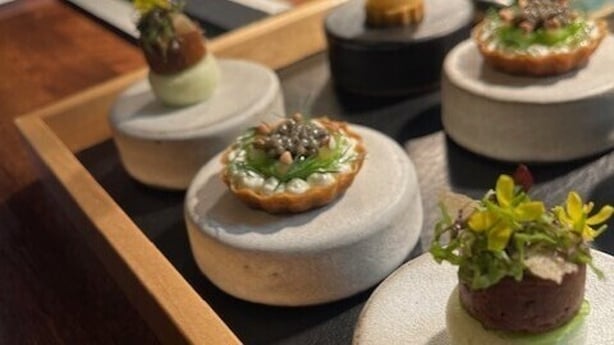
Practice-based learning
Much of TU Dublin’s courses are focused on practical, real-world experiences, ensuring placements and multiple ways to learn and apply skills.
Its Grangegorman Campus includes state-of-the-art facilities comprising a 150-seat lecture and demonstration theatre, eleven teaching kitchens, two training restaurants, one training bar, one beverage and wine tasting lab, and a culinary arts shop.
Its Tallaght campus recently saw the opening of a new multidisciplinary building, Áras Thuaidh, which includes a production kitchen, training restaurant, wine and beverage lab, and a culinary research kitchen.
All these facilities ensure students get the perfect place to plan and experiment with food, and put their own stamp on it.
"When the students come in, they have a repertoire, they have experience that they’ve gained from life and from their different cultures," said Dr Mark Farrell, Senior Lecturer at the School of Culinary Arts and Food Technology.
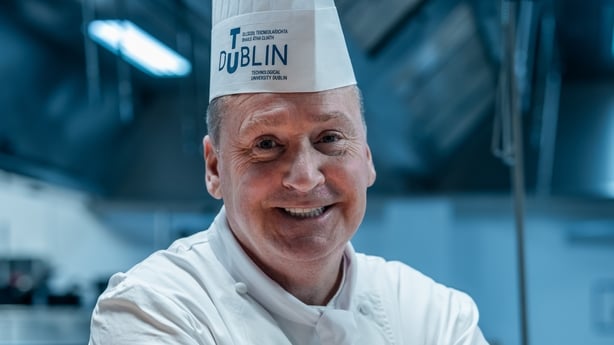
"That's come to the fore as they bring that culture and experience to the classroom."
As part of their studies, third-year students run their own restaurant, covering everything from budgeting to management to deciding which wine pairs with each meal.
The time and effort students invest in this project provide a well-rounded experience of restaurant life and prepare them for all aspects of the industry.
The specialised kitchens ensure students get a broad culinary experience, and the result of decades of planning and forward thinking.
"We have a team of over 40 lecturers with international experience in different disciplines, and the students exposed to this get better and better," he said.
Sweeney added, "It’s bringing all cultures together, and telling the story through Irish food. That's really important and is the ethos of the living thesis. With various cultures in the group; , they're telling their story through Irish food."
That fusion of tradition, modernity and local and international cultures comes together to enrich Ireland’s culinary landscape. With the opportunities it offers through its facilities, experienced lecturers, and access to the best, TU Dublin will remain a pillar of the Irish food landscape for generations to come.
