


Solar PV (photovoltaic) is becoming standard practice in Irish homes, with over 155,000 households generating their own free renewable energy.
This is part of a wider global movement, with analysis showing renewable generation overtook coal globally for the first time on record in 2025.
In 2025 alone, over 33,000 homes installed solar PV, using SEAI solar grants worth up to €1,800 per property to reduce the cost of their installations.
By adding solar PVs, you will see savings from your first electricity bill and potentially earn some extra cash by selling any unused solar energy back to the national electricity grid.
The benefits are there, but for those weighing up their options, here is what you need to know.
What are the benefits?
First things first, let's talk about lower energy bills. The average solar PV system can save up to 60% on electricity per year.
Between lower bills and expected earnings from selling unused energy back to the grid, the average 12-panel system will save you an estimated €900 to €1,000 based on current standard electricity prices from Electric Ireland.
The panels will continue to generate low-cost electricity for 25 years, making the long-term savings significant and the average payback period of 5 to 6 years relatively short.
Every quotation is different depending on your home, so get in contact for a free personalised quotation and more details of current offers from Electric Ireland.
**Electric Ireland's Microgen rate is 19.5c per kWh, which is the rate paid for any unused electricity you export back to the grid.
If you add a storage battery to your system, you can gain more from time-of-use tariffs like Electric Ireland’s Smart Night Boost. A battery lets you store excess solar energy for use in the evening and charge it overnight at cheaper rates, reducing energy costs even further.
**Electric Ireland currently offers up to 25% off systems with 12 panels or more when a battery is included, making this option more affordable due to its strong long‑term benefits.
A good BER (Building Energy Rating) doesn’t just say your home is energy efficient. It shows that your home has a lower carbon footprint, it can potentially increase the value of your property, and may also give you access to preferential green mortgage rates.
How easy is it to make the change?
It is as simple as filling in a callback form on Electric Ireland’s website and having a free personalised consultation with an energy expert.
Over a 30-minute conversation, you’ll learn about projected savings based on your energy consumption, and what the best option is for your home and lifestyle needs.
If you decide to invest, Electric Ireland’s team will take care of the entire process, from site survey to the SEAI solar grant application and post-works BER assessments.
To reduce the upfront cost, Electric Ireland deducts the grant value from the installation cost.
Depending on the job's complexity, on-site installation takes 1 to 2 days, with most completed in a single day.
Electric Ireland’s expert teams work to the highest safety standards, ensuring limited levels of disruption to your home life during installation.
The big question, how much does the weather and direction affect solar?
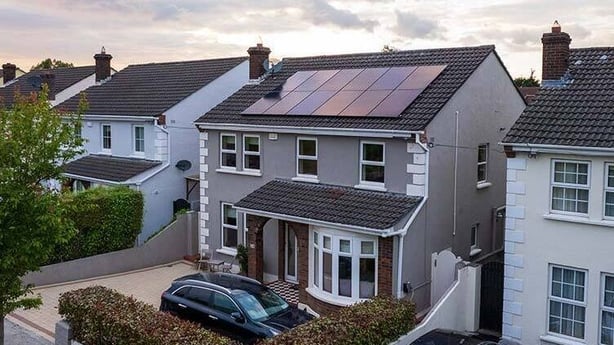
The good news is that Irish weather doesn’t have to be sunny for it to work, and there is great flexibility in where exactly you install them.
While south-facing panels are the best option, placing panels east-west will generate significant electricity in the morning and evening.
What's it like to have solar PV installed in your home?
Ger O’Mahoney is one customer who has greatly benefited from solar PV, having owned his home for over four years. He had already made efforts to make his home more efficient and sustainable, including installing a heat pump and achieving an A energy rating.
For Ger, the next step was to install solar because of the savings it offered. He was worried before that you need a south-facing roof to benefit, but that fear was unwarranted.
On an average summer day, the panels generate between 25 and 30 kW, while the home would use about 6 kW. Any excess electricity is sold back to the grid.
"On average, I would save about €1,000 a year," he said. "And with my EV, it costs a quarter of what it would with petrol."
Ger would recommend getting solar PV, saying: "It’s so easy. You don’t have to do anything, it just runs itself, and all you do is look at the app to see how much you’re saving."
Electric Ireland is helping customers like Ger understand the benefits through its Net Zero Hub. The Hub is designed to give you relevant, easy-to-understand information about achieving a low-carbon future. It covers areas such as solar PV, electric vehicles, smart meters, and retrofitting.
With SEAI solar grants remaining high, no planning permission requirements and 0% VAT on solar panels, 2026 is a great year to make the leap and install solar PV.
To find out more, visit Electric Ireland’s website.
**Pricing information correct as of January 2026.
**Offer valid until 26th February 2026.
Video Credit: Produced by The Irish Times Content Studio
