


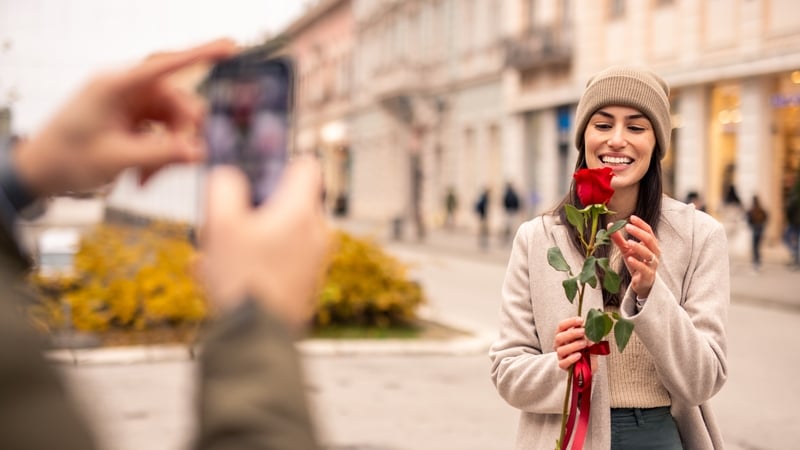

Portraying only picture-perfect moments might be leaving a negative impact on our relationships, Kate Brayden writes.
It all started with some overpriced tulips.
My partner shows love more through cooking than his floral arrangements - no complaints here - but we both admitted that this particular set of €7 tulips had more stems and leaves than actual flowers. Counting a grand total of four tulips in this €7(!!!) bunch, I then tabled a very unromantic conversation where we agreed that we cannot afford the luxury of romantic flowers in our lives. Right now, at least. Food wins.
Cut to TikTok, and the first video that loaded was a woman telling me that unless my partner didn't spend a consistent stream of money on flowers, they are to be dubbed a "low effort boyfriend".
What you want, apparently, is something called a "high value husband".
TikTok is a cesspit for bizarrely therapised language. It’s often the creators who lack any actual counselling psychology credentials who concoct these terms in a very unscientific lab.
When I started diving into the "high value husband vs low effort boyfriend" trending videos - because I love masochism or something - an immediate sense of doom pervaded me. No wonder nobody feels like they have the energy to date anymore. It’s like Squid Game for us OG yearners.
Speaking to Dr Aoife Drury, a Dublin-based Psychosexual and Relationship Therapist, about the impact of viewing relationships of others on social media (whether they be celebrities, influencers or people you know IRL), it’s clear that the internet is fuelling a lot of the difficulties of modern dating.
"The impact of social media has definitely crept into my therapy room over the years," Dr Drury tells me.
"Influencer relationships are essentially performances, but our nervous systems don’t differentiate that well. When we’re repeatedly shown grand gestures, perfect conflict resolution, or highly aestheticised versions of being a couple, it can subtly shape our expectations of what 'normal’ should look like. For some people, it creates pressure; for others, a sense of deficiency in themselves or their partners.
"It seems to be part of a wider trend in online relationship discourse that packages human complexity into rigid, binary labels: ‘high value’, ‘low value’, ‘alpha’, ‘feminine energy’ and so on. These are very rigid and reductive terms. These terms are typically rooted in misogyny, performance hierarchy, and transactional thinking."
On the one hand, I understand the feeling that we need to impart high standards on people - particularly women - who are trying to date in this ruthless landscape and need to protect themselves against selfish, unbothered, manipulative or even abusive people.
However, the reaction to the draining trial of gamified dating apps and cold encounters has been to create an iron-clad list of how to spot red flags and find a flawless partner without wasting a second.
It feels like half the globe read Chanté Joseph’s Is Having a Boyfriend Embarrassing Now? piece in Vogue, and for a good reason. Though there were many elements I disagreed with, I did understand why you’d be cautious of showing your shiny new lover online in an age where a lot of (sorry) straight men continue to disappoint as partners.
I know the feeling of having to delete a partner hard launched to your Instagram stories like a TV character whose plotline was mysteriously cut off. It can feel like a blemish in this limited, filtered, digital portrayal of your life - taking away all that you learned from the relationship, the good times you shared and issues you successfully worked through.
"When people feel they need to hide or edit their partner to make them ‘fit’ the internet and how they are viewed, it can disconnect them from authenticity and creates unnecessary shame around ordinary human relationships," Dr Drury explains. "Knowing something is curated doesn’t make us immune to it."
While some content creators are putting out increasingly alarmist videos, making you feel as though every date is a test of your detective skills and ability to put down boundaries - others have taken to showing only picture-perfect elements of their relationships.
Influencer couples with essentially a joint brand have become increasingly popular in terms of reach and followers. Some are comedic in nature or totally harmless, but others seem to only portray ‘gifting/surprise’ types of videos or ‘look what I did for my girlfriend today’ clips that appear to be entirely staged. No shame in that, but when that’s the type of relationship content we consume, how does it affect our lives?
"Research consistently shows that even when people intellectually understand that a message is exaggerated or constructed, our emotional responses still absorb it," Dr Drury notes.
"In the same way that we can enjoy a film while knowing it’s fiction, we may end up internalising relationship content even when we know it’s filtered. I don't think it's binary or not inherently unhealthy to consume this content, but it can become unhealthy when it replaces real-life reference points."
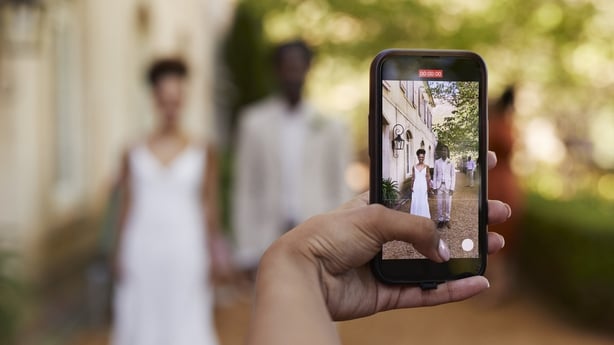
Let alone the economic impact of being able to buy your partner lavish gifts all the time, but also, the way in which people receive love and affection doesn’t always match social media’s portrayal of a perfect relationship.
"Influencer relationships are designed to be consumed," Dr Drury continues. "Ordinary couples are designed to be alive. It's important to reflect and bring some curiosity into your own life. Pause the scroll and reconnect with their real relationship. What does affection look like in your relationship, not someone else’s? What do I value in relationships? When do I feel happiest in my relationship?
"Shift from performance-based measures to relational ones: safety, respect, emotional presence, shared humour, repair after conflict, consistency. Remember that grand gestures online tell you nothing about emotional maturity, communication, accountability, or relational health."
My partner hates being filmed. "I would feel like I’d have to perform for people I don’t even know, who have no idea what our relationship is actually like," he posited, when I asked him why.
For those who love sharing their partner online, absolutely continue to do what makes you feel happy. If they buy you flowers every day, that’s amazing! It’s healthy to see people (of any gender) show their partner how much they mean to them. It’s also okay to feel like privacy equals intimacy.
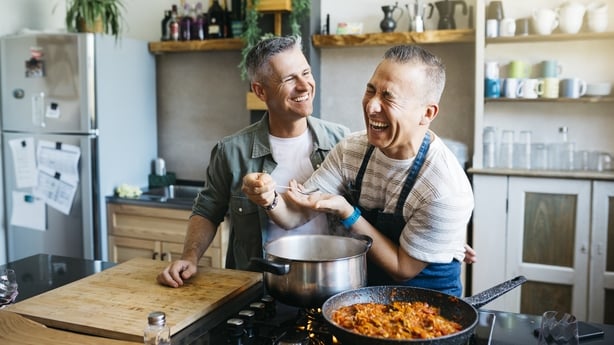
Social media is clearly not the place to seek out examples of what your life should look like. According to TikTok, for example, my partner must be a low effort goblin because he got me tulips without much tulip going on - and prefers to bring food to my door than flowers.
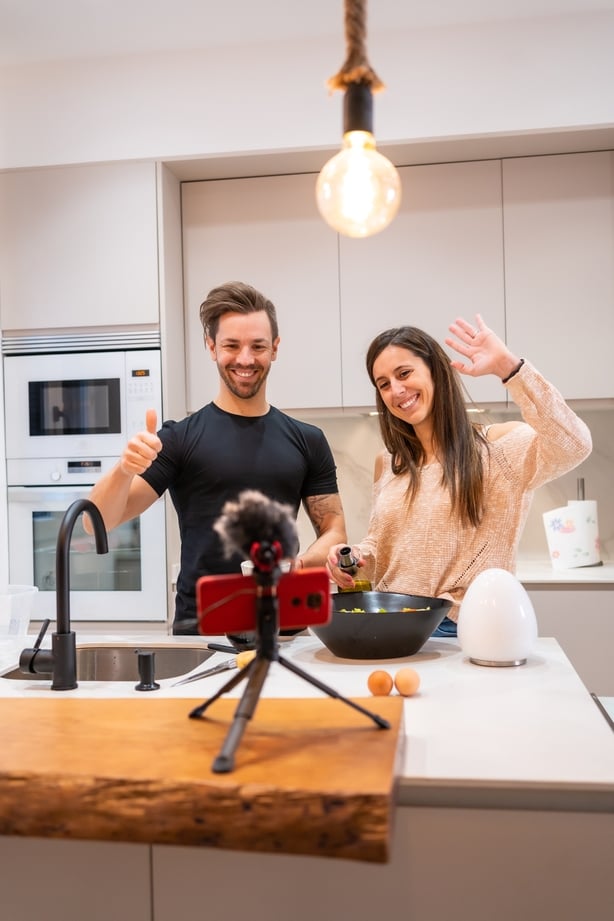
Cooking meals together was how we managed to form a close bond, yet posting him chopping onions and me stirring something isn’t exactly the golden content anyone wants to see (I assume).
I don’t post the moments where I feel closest to him or the most meaningful things he does for me, and that suits us fine. Comparison is the thief of joy, as some smart person - definitely not on TikTok - once said.
The views expressed here are those of the author and do not represent or reflect the views of RTÉ.
