


When Liveline lit up with women's stories of menopause last May, it proved that the subject of menopause is not niche, is not unmentionable, and, to state the obvious, effects 50 per cent of the population directly.
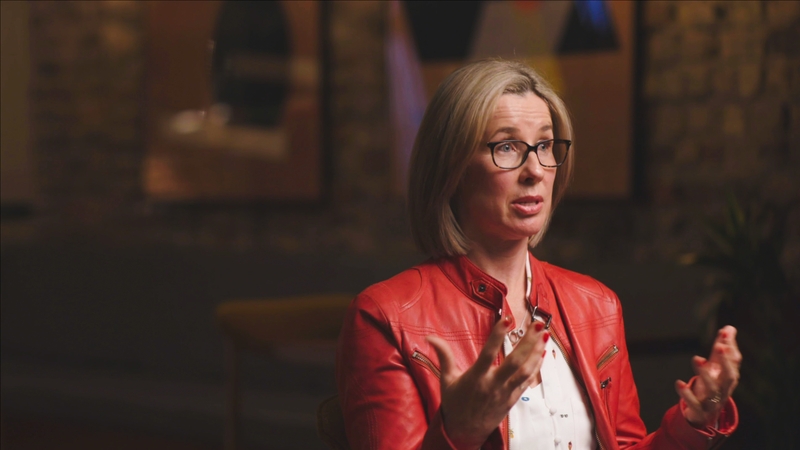
Now, in a new RTÉ documentary, those are once again brought to light in women's own searing testimonies of life with the menopause.
Kicking off with some of the audio from emotional Liveline callers, The Change – Ireland's Menopause Story explores the menopause experience in Ireland – the taboo, the science bit, the personal stories, and the future.
The Change: Ireland's Menopause Story, looks at women's experiences of going through the menopause, the common and rare symptoms and what causes them.
— RTÉ One (@RTEOne) May 23, 2022
Monday 9:35pm | #TheChange | @rteplayer | @joeliveline pic.twitter.com/CW7VwE3VQg
Christine says in the documentary that she first started feeling off a few years after having her daughter, and as time went on things continued to "deteriorate". Mood swings, aggression and forgetfulness plagued her.
"I felt so alone, and I thought, there's nobody I know who's going through this", she says.
As Dr. Deirdre Lundy explains, menopause "doesn't happen quickly or simply for a lot of women. It doesn't go 28 days, 28 days, 28 days, stop. There's this transitional period that can last anywhere from a couple of weeks to a couple of years, where your ovaries are slowly starting to pack it in.
"It's like the reverse of puberty."
Menopause is caused by the decrease and eventual ceasing of production of oestrogen in the body, which is one of three hormones produced including testosterone and progesterone, Dr. Caoimhe Hartley explains. The lack of it can be felt "everywhere", she says.
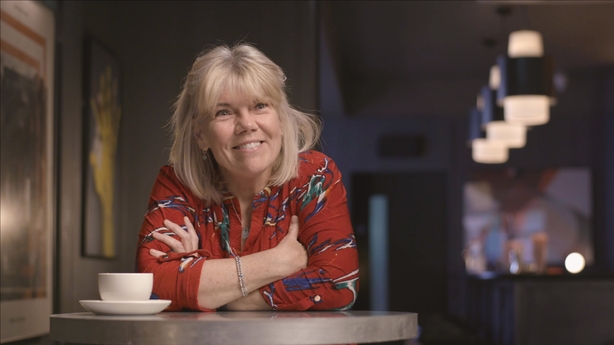
Kathy is one of the women who share their stories in the documentary, and speaks frankly about how she first started having "severe" symptoms when she was 27.
"I didn't sleep from the age 28 to about 30, and when I slept I was only sleeping for maybe three hours. The sweats were absolutely violent and anxiety just stepped in horribly. I had suicidal thoughts.* Menopause never crossed my mind. I thought I was just sick with something seriously wrong."
She initially thought she had a form of cancer, and says she felt "absolutely terrified" through it all. She was eventually prescribed an oestrogen patch on a Thursday, and by the Saturday she had slept 10 hours. "After three weeks my symptoms just completely stopped."
She sought out others online who could understand her experience and eventually found The Irish Menopause, a private member's only group started by Sallyanne Brady where women share their stories, tips, advice and support. Sallyanne had her own experience of menopause, which left her angry that she'd been let "deteriorate" as much as she had been.
"It's a very lonely journey for a woman", she says. "There's denial and shame, and women are afraid to admit to their friends that maybe they feel like they're cracking up or they're having panic attacks or having odd thoughts. They always feel like it's them."
The varying public narratives about hormone replacement therapy (HRT) and what one study claimed was a link to breast cancer also deterred many women from seeking help. Although Lundy says in the documentary that the belief that using HRT would give you breast cancer was "patently not the case", it led to a dip in the amount of women using the treatment.
Susan says she "denied" herself treatment when she could have had it, something she feels embarrassed about now. "My mother had breast cancer and I believed that I couldn't take HRT, mistakenly, which is another thing I'm raging about."
Some women, as Lundy notes, have menopause done to them via surgeries like a hysterectomy. This is what happened to Róisín, who calls her menopause a "car crash menopause". After a breast cancer diagnosis at 35, she underwent a full hysterectomy at 37.
"Nobody, not one doctor, had mentioned, this is going to be full on menopause for you. Nobody." A year later she "couldn't get out of bed", and after another six months of that she asked her doctor to prescribe something to treat the menopause.
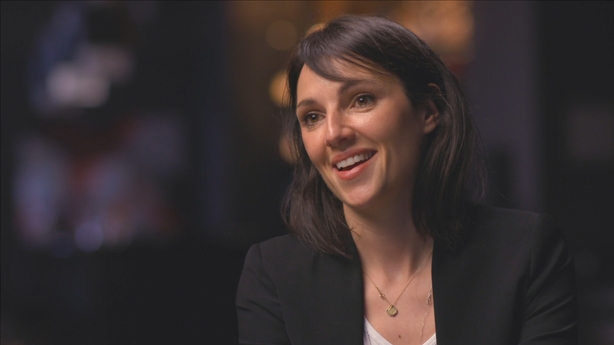
"In total, 11 doctors refused me because I'd had a breast cancer diagnosis. So, I had an idea."
Róisín decided to travel around the country to every out-of-hours clinic she could find for a year, saying she was in town for the weekend or away at a wedding and forgot to pick up her prescription. She wouldn't disclose her history of breast cancer.
"Whatever doctor I saw ... I would make a note of that doctor's name in order to never have to see them again. Every month I got better, and I knew it was oestrogen my body was missing."
Watch The Change – Ireland's Menopause Story on Monday 23rd May, 9.35pm on RTÉ One.
* If you are affected by any of the issues raised in this article, you can contact: The Samaritans (phone 116123), or Pieta House (1800247247).
