



Sleep is recognised by scientists, athletes and elite military units as what gives us the edge when it comes to winning. Dr Mathew Walker describes sleep as "the most underused legal performance enhancer". It is essentially a powerhouse to renew body and mind.
According to sleep expert, Tom Coleman, we should be spending 36 per cent of our lives sleeping, the most time dedicated to one single activity in human biology.
"Teaching people how to optimise sleep, and helping them understand its crucial significance, can boost health and wellbeing naturally", he says. Every single aspect of our physical and psychological wellbeing is influenced by sleep, so getting it right can be life-changing.

How much sleep?
For adults, 7.5 hours a night is advised. In Ireland we average a little less than 7 hours, with only 30 per cent of Irish workers getting between 7 to 9 hours, which is not ideal. Children need around 12 hours and teenagers should be getting 9 to 11 hours of sleep a night for growth, development and repair.
The culprits
Modern society and technology stimulate us. Even with "57 channels and nothing on" we still channel hop or log-on to our social platforms as distraction. The biggest culprits in our declining sleep quality are:
- Increased expectation to be "connected".
- Artificial light from our homes, devices and electronics.
- Changing work demands and the global 24/7 connected environment.
- Overconsumption of stimulants and sedatives.
- Increased sitting and sedentary behaviours, and less time outdoors in nature.
The lie down lowdown
Your bed and bedroom environment have a profound impact on sleep quality and quantity.
"If you find you sleep better in other people’s homes or in a hotel, then look at your bed", is the advice from Greg Kelly, Managing Director of Des Kelly Interiors.
With mounting medical evidence that getting enough sleep is important to health and wellbeing, a comfortable bed can be crucial in helping reduce stress, boosting brain-power and immunity and even life expectancy.

Buying the best bed you can afford is a worthwhile investment in sleep quality, the sleep experts maintain, recommending a mattress change every eight to 10 years, at least.
As Coleman says: "You wouldn’t just buy a pair of shoes every 15 years and think they were going to support you, so why think that of a bed?"
Different mattresses help sort various sleep issues, like lack of support or over-heating in bed.
Pocket sprung, gel mattresses, memory foam and latex can all start to sound confusing, so talk to the salesperson about the benefits of each, depending on your support needs.
A strong ‘extended-life’ mattress gives advanced back and spinal support for those of a heavier build, or with back problems, taking away pressure points and pain. Sleeping on your back is best, generally, as it keeps the spine straight and aligned, and places less strain on joints.
Those with old injuries, stiffness or pain especially need the correct level of comfort and support to sleep well and break a restless cycle. Otherwise, they can inadvertently develop anxiety around sleep, which persists even beyond the injury.
Hypoallergenic mattress fillers help with allergies, as does vacuuming mattresses and pillows.
If we heat up too much while sleeping, it signals the body to wake. A gel mattress with cooling technology will help here, especially for menopause symptoms and pregnancy sleep. Having a hot shower or bath causes a rebound cooling effect on the body, promoting sleep too.
Also, pay attention to your choice of pillows, which should be appropriate to body weight and the way you sleep. Bedding needs to be changed frequently and blankets and throws can be layered, to adjust warmth, depending on body temperature.
An adjustable bed can also be a solution to a good night’s sleep, and professional advice from trained sleep experts at any Des Kelly Interiors store is worthwhile.
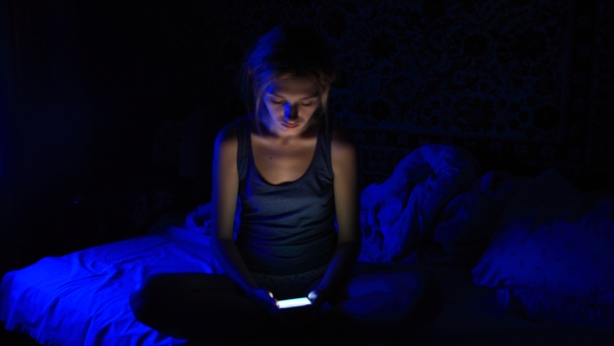
The bedroom scene
Your sleep setting should be pleasant, cool, dark, free of technology, no blue or white light and with little ambient noise or disturbance. Use a quality pair of soft earplugs, if needed.
We are especially sensitive to light, so keep bedrooms dimly lit with low watt bulbs and soft orange and yellow tones. Use good quality blinds and an eye mask to reduce residual light.
Get to bed at a reasonable time, ideally before midnight, Coleman advises. "Establish consistent sleep and wake patterns, including a 30-minute relaxation period before bed to help sleep initiation. Set a ‘reverse snooze button’ reminding you to unwind for bed."
Caffeine can disrupt sleep onset and quality, while peppermint or chamomile tea may help relaxation, Coleman advises. Alcohol is a sedative and can cause restless sleep and impact dream sleep, however. Leave an hour per unit of alcohol between your last drink and sleep time, is his advice.
Anxiety commonly disturbs sleep. Remind yourself that it is natural to worry at night, when the noise of the day settles, and that things will look better in the morning.
Learn techniques to wind down and relax, cognitively and physically, like yoga or breathing exercises, or try a meditation app to clear your mind. Have a notepad and pen by the bed to jot down anything bothering you, or what you have to do the next day.
Create a wind-down bedtime ritual. This could be disconnecting, putting on pyjamas, gentle stretching, a warm drink, a skincare routine, relaxing music, eye mask, earplugs and sleep.

Work it
Regularly working late, or checking emails in bed, is counterproductive and diminishes the quality of our regular working day.
Don’t make your bed or bedroom an extension of your office. Set a time limit on checking work messages that disrupt your sleep routine. A recent Harvard study found that insomnia leads to the loss of 11.3 days’ work productivity per person per year.
Overstimulation from work or digital media leaves us "wired and tired", not able to switch off. Try deep breathing exercises, consciously moving from thinking and planning, to how we feel.
Other sleep hygiene improvements include making sure your bedroom is dark and quiet, avoiding screen time for at least an hour before bed, having a comfortable mattress and bedding, and getting daylight exposure and moderate exercise every day.
