


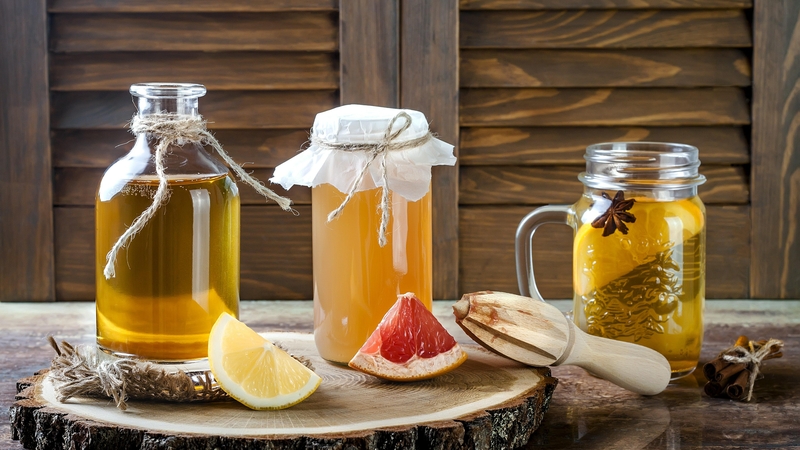
Having a living concoction growing in a jar on your kitchen counter sounds more like the description of a new horror film than the latest health beverage craze. And with a history stretching back to 200 BC, kombucha is anything but new.
However, the fizzy fermented tea with an array of eyebrow-lifting health claims attached to it is suddenly starting to attract attention; food bloggers are raving about it, and health shops are stocking it.
In an age of attractive, Instagram-friendly feasts, kombucha sticks out like a sore thumb; the sugary tea also includes a live bacteria and yeast culture, similar to a sourdough starter. The drink originates from China, where it has been made for its health benefits for over two millennia. Supposedly named after Dr. Kombu, who centuries later brought the drink to cure the ailing Japanese Emperor Inkyo, it didn’t reach Europe until the 20th century.
The most common method of making it is mixing black or green tea with a decent helping of sugar. It’s then fermented for around two weeks using a symbiotic culture of bacteria and yeast, usually referred to by the far catchier term SCOBY. The result is a sparkling drink with a vinegary, sour taste that can be balanced out with (more) sugar.
Kombucha has been praised by the health-conscious, mostly for the abundance of probiotics which emerge in the fermentation process and supposedly work wonders for your gut health. Recent research has found that having healthy gut bacteria improves our mood and gives us healthier skin, and kombucha could be the key – it’s believed to improve digestive health and clean out our guts.
As well as being packed with probiotics, kombucha includes antioxidants, which boost heart and liver health, and may be able to improve your immune system by killing harmful bacteria. Studies have suggested the mixture might help maintain healthy blood sugar levels and cholesterol. It’s been credited with curing everything from weight loss to acne, and some even claim it reduces the risk of cancer, but no reputable studies have backed that up yet.
If kombucha sounds like your cup of tea, you’re in luck – it's being sold in a myriad of shops including Holland & Barrett.
If you want to roll your sleeves up and fully jump aboard the bandwagon, you can DIY kombucha at home. You don’t need a lab coat, but you should use caution – batches of any fermented bacteria vary, and inexperienced brewers could see their drinks attract contaminants like mold or fungi.
There’s a debate over whether home-brewers should use the pasteurisation process, which removes many of the benefits but could be safer.
It’s certainly an acquired taste – and sight, and smell. But the kombucha industry is worth over one billion dollars in the States, and stores are stocking up across Ireland and the UK, so the craze shows no signs of abating.
Sure, we didn’t expect the newest health fad to look like a monster from Stranger Things, but if you want to get aboard a new trend that could provide a health-boosting alcohol alternative, kombucha is calling your name.
