


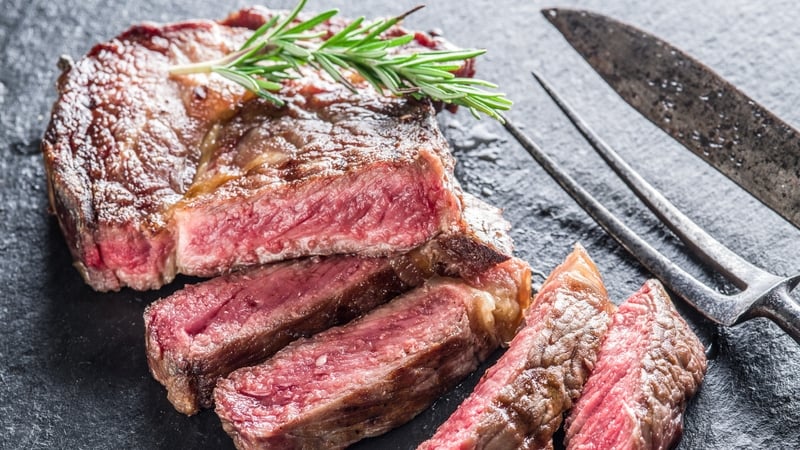
The World Health Organisation (WHO) made headlines when it said that red and processed meat could possibly cause cancer, leading to more people mindfully cutting back on those foods.
However, a controversial study has now come out against these claims, saying the evidence of risks is so small, they might not count as risks.
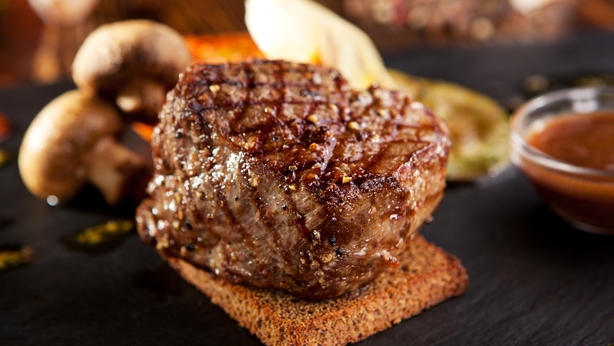
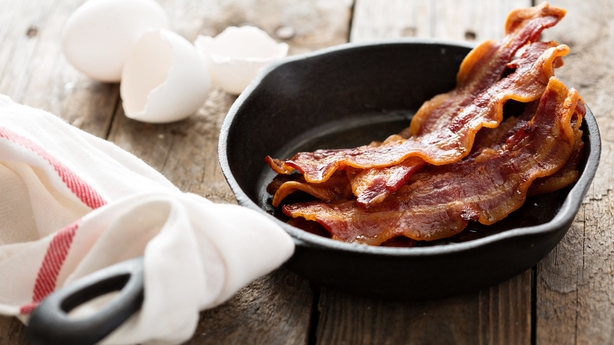
The study, which was carried out by a team of researchers from Dalhousie University and McMaster University in Canada, says that cutting down on red meat like beef and pork, and processed meats like bacon and sausages, is a waste of time.
Chicken, duck and game birds don't count as red or processed meats, while hot dogs, salami, ham, paté and other cured or smoked foods do.
The HSE, as well as many public health bodies like the NHS, caution that only small amounts of red or processed meat should be eaten a week as these foods are believed to be "carcinogenic" as per the WHO report, but this evidence is thought to be limited.
Eating high amounts of red or processed meat is linked to obesity, heart disease and cancer - especially bowel cancer - with Safe Food saying that cutting down on these will reduce your risk of developing such conditions.
According to the HSE's National Cancer Control Programme cancer prevention factsheet, people should eat no more than 500g or 1lb of red meat per week and avoid processed meats as much as possible, while the NHS says that people who eat 90g of meat a day – which is equivalent to three thin slices of roast meat – should cut down to 70g.
The Department of Health, which sets dietary guidelines, stresses that "unprocessed lean red meats (beef, mutton, lamb and pork) are an excellent source of protein and the richest sources of iron in the diet" and recommends these 2-3 times a week.
They also recommend 50-75 grams as one serving of meat (half the size of the palm of your hand) and two servings a day of foods from the Meat, Poultry, Fish, Eggs, Beans and Nuts categories.
Speaking to RTÉ Lifestyle, the Department of Health said that it follows the guidance from the WHO "that processed meats are associated with bowel cancer and have included advice on this in our 2016 revised Food Pyramid - 'Limit processed salty meats such as sausages, bacon and ham'".
However, the study claims that the evidence that cutting down red or processed meat in your diet decreases your risk of certain health conditions is so weak, they cannot be sure that the risks are even real.
The findings were published in Annals of Internal Medicine, and reviewed the same evidence that had been studied by other experts.
They suggest that if 1,000 people were to cut out three portions of red or processed meat every week for:
- a lifetime, there would be seven fewer deaths from cancer
- 11 years, there would be four fewer deaths from heart disease
They also suggest that if 1,000 people cut out three portions of red meat for 11 years, there would be six fewer cases of type 2 diabetes, while if they did the same for processed meat, there would be 12 fewer cases of the disease.
Speaking to BBC News, researcher and associate professor Bradley Johnston said: "The right choice for the majority of people, but not everyone is to continue their meat consumption."
"We're not saying there is no risk, we're saying there is only low-certainty evidence of a very small reduction of cancer and other adverse health consequences of reducing red meat consumption."
Some experts have praised the study for its "rigorous" look at the evidence, with Prof David Spiegelhalter, from the University of Cambridge, saying: "This rigorous, even ruthless, review does not find good evidence of important health benefits from reducing meat consumption.
"In fact, it does not find any good evidence at all."
However, others have criticised the study. Dr. Marco Springmann, from the University of Oxford, said the suggestions were "dangerously misguided" which "downplay the scientific evidence", as quoted by the BBC.
