



On This Week: Irish moments from history (9th - 15th March)
Welcome to On This Week, where we delve into the standout stories from the years gone by, featuring standout news stories, major sporting events, and pop culture highlights that helped shape Irish life. Here's your dose of Irish history from 9th-15th March.
This week in Irish life and news
1971: Opera-singing dogs?
On 12th March 1971, Newsbeat met a man from Phibsboro and his opera singing dogs. JJ O'Connor talked about of his long love for the canine species and introduces his two German Shepherds Moscow and Gochise. Singing is just one of their many talents. And according to JJ O'Connor, they were not just any old singing dogs - they were opera singing dogs.
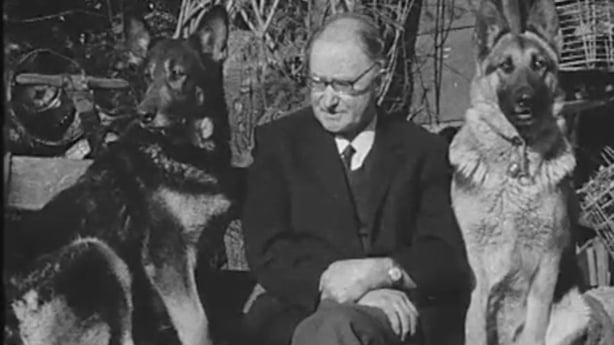
Encouraged by their owner, Moscow and Gochise showed off their talents, and the Newsbeat team added a recording from 'The Magic Flute' by Mozart.
1974: Learning to love in 1970s Ireland
Perhaps only in 1970s Ireland would a programme on pre-marriage courses for young couples be presented by a priest.
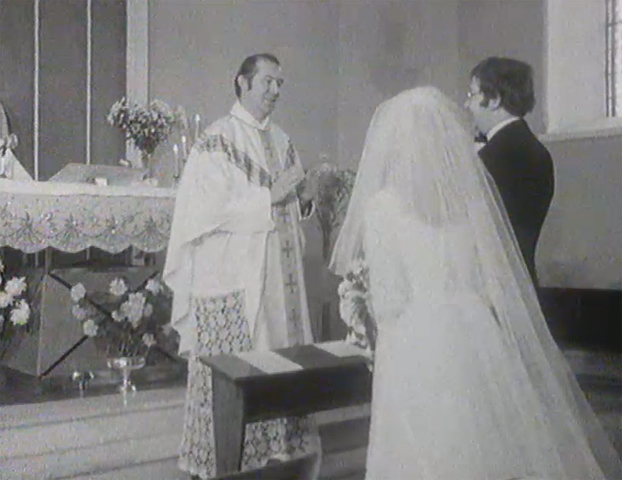
On March 13th 1974 the documentary series Radharc aired a programme called 'Learning to Love', presented by Father Brian D'Arcy, in which a priest explained that participants in pre-marriage courses were there as "training for a relationship". In the programme, young couples spoke openly about love, sex, friendship and their expectations of marriage. Pioneered by Father Tony Baggott, these courses were held three times a year.
1986: The beginning of the end for bus conductors
Bus conductors who sold and checked tickets on public transport had been a staple of bus travel for generations. But that began to change in Dublin in 1986, when the first "one man double decker bus" hit the streets of the city, after years of negotiations between CIE and unions.
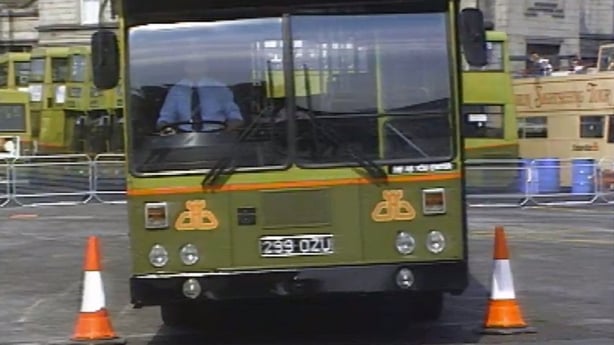
The 38C route was the first to adopt the new system on this week forty years ago, and in the report which aired on March 9th 1986, both passengers and drivers considered the difference the lack of a conductor would make - including the fact that it would take longer to board the bus and that there would be no one to help people get buggies on board Driver Barney Coleman had no fears for his safety manning a late night bus alone - but that might be because, as he revealed, he was a karate instructor!
1991: Freedom at last for the Birmingham Six
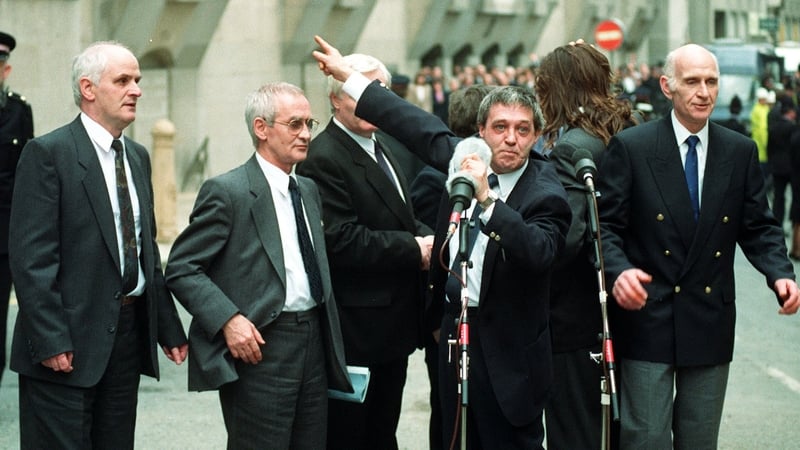
On March 14th 1991, Patrick Joseph Hill, Hugh Callaghan, Gerard Hunter, Richard McIlkenny, John Walker and William Power were released from prison after sixteen years. They had been sentenced to life imprisonment in 1975, falsely accused of the Birmingham pub bombings. Their convictions were quashed by the Court of Appeal in 1991.
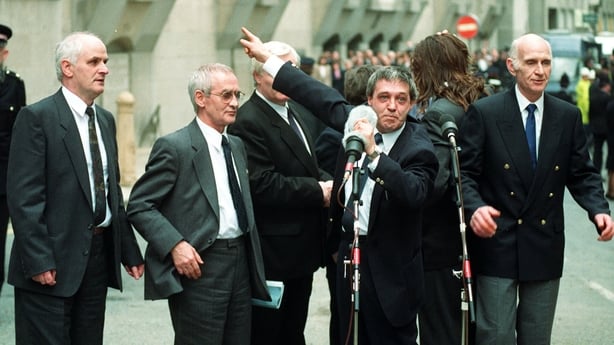
On March 15th 1991, the day after their release, Morning Ireland reported on the events with clips from Paddy Hill, Billy Power and Gerry Hunter speaking to the press.
Paddy Hill commented that
British justice must be in tatters after today... We were made scapegoats of - just to appease the public.
This week in arts and entertainment
1986: Raising funds for a young dancer
In 1986, a young dancer from Clonmel had the chance to study at the prestigious Northern Ballet School in Manchester - but it wasn't going to be cheap. So local supporters rallied together to raise the funds.
Alison Cronin said that if she didn't become a ballerina herself, "I'd like to teach... and share what I've learned with others." Alison did go to the Northern Ballet School and subsequently earned her teaching qualification. She now teaches at her own ballet school in Tipperary.
1996: Alternative Miss Ireland
Having begun as a once-off in 1987, the Alternative Miss Ireland pageant made a glamorous comeback in 1996, raising money for Irish HIV/AIDS organisations. On March 15th 1996, drag icon Panti Bliss appeared on the Late Late Show to tell Gay Byrne all about the pageant.
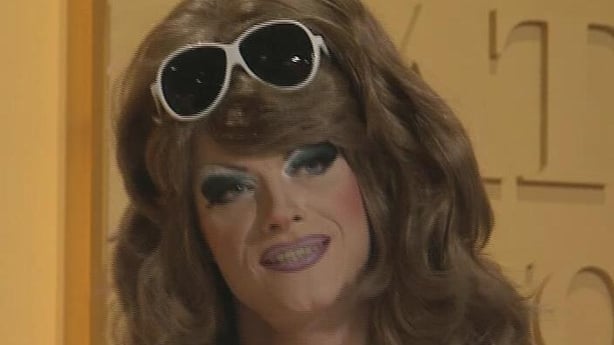
Panti was master of ceremonies on the night and escorted Miss Susie, one of the canine contestants, into The Late Late Show studio. Susie donned a diamante encrusted collar for the evening wear section of the pageant. Miss Tress - who would go on to win the 1996 pageant - appeared with two obedient attendants, paying tribute to Saint Patrick in a snake emblazoned outfit. The Alternative Miss Ireland pageant would run until 2012, moving from the POD nightclub to the Olympia Theatre as its popularity grew.
This week in sport
1990: The Railway Cup is abandoned.
The inter-provincial GAA tournament known as the Railway Cup, usually held on St Patrick's Day, had been a staple of the GAA calendar for decades, and reached its peak in the 1950s with nearly 50,000 people attending the final in Croke Park. But in 1990, faced with dwindling attendances, it was announced that the competition would not take place that year.
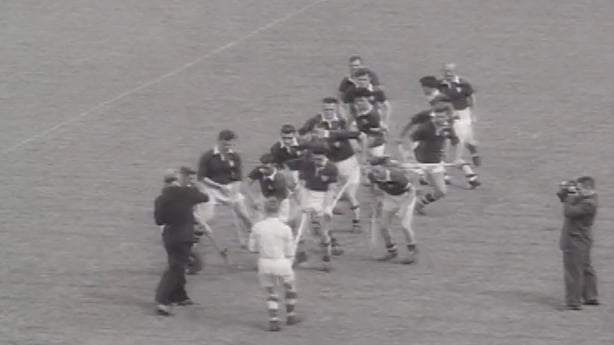
Among the theories given for the event's decline in popularity was the increased proliferation of St Patrick's Day parades, which could be keeping potential attendees away from the stadiums.
1990: Punters head to Cheltenham
When reporter Joe O'Brien asked Irish punters en route to Cheltenham in 1990 what they expected to get from their trip to England, most of them said they envisaged spending their nights enjoying "cards, drink and craic".
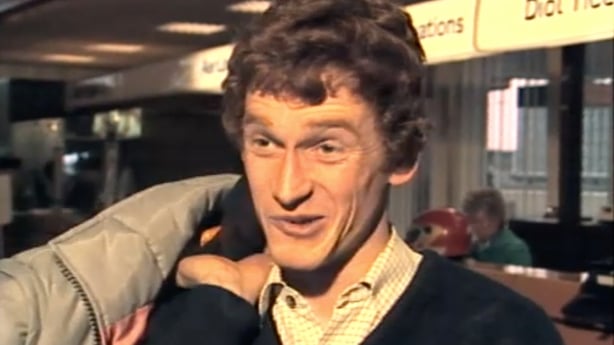
O'Brien talked to jockeys and trainers, all of whom were hoping for a good week for the Irish on the track.
What was Number 1 in Ireland this week?
1966: 'Come Back to Stay' by Dickie Rock
Sixty years ago, Ireland's Eurovision entry was 'Come Back to Stay' by showband legend Dickie Rock.
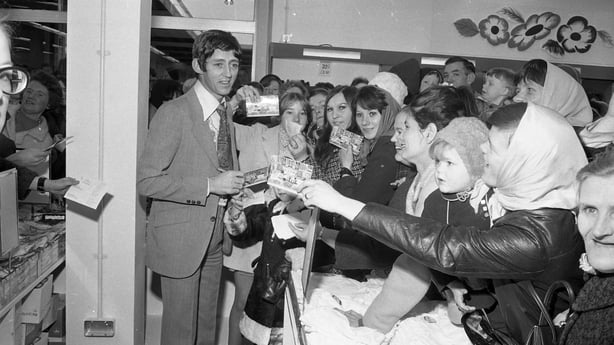
The song stayed at the top of the charts for four weeks, and came fourth in the 1966 Eurovision Song Contest.
1986: 'Chain Reaction by Diana Ross
Written by the Bee Gees, this classic pop song hit the top of the charts on this week forty years ago.
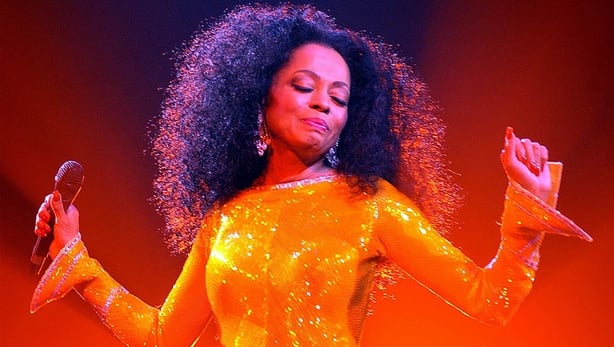
It stayed there for two weeks. While 'Chain Reaction' flopped as a single in the US, the song was a big hit in Ireland and the UK.
2001: 'Uptown Girl' by Westlife
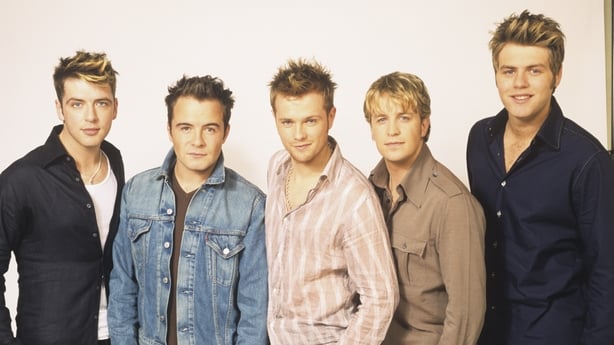
The Irish boyband's cover of the Billy Joel classic spent an incredible six weeks at the top of the Irish charts twenty five years ago.
Famous Irish names celebrating birthdays this week
Dónal Lunny
The musician turns 79 on March 10th.
Colin Healy
The football manager turns 46 on March 14th.
Richard Bruton
The former politician turns 73 on March 15th.
