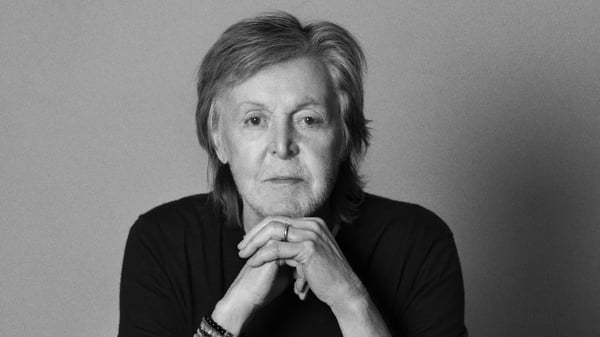

Long a treasury of all our universal memories, Paul McCartney takes a dreamy, wistful and occasionally heartbreaking voyage into his past on his twentieth solo studio album.
This isn't the first time the once and forever Beatle, who is now 83, has pulled at the frayed edges of the psychogeography of his Liverpool youth. Both Penny Lane and Strawberry Fields gazed back into the unreachable mysteries of childhood; his Liverpool Oratorio was an orchestral paean to the home town; and 2012’s Kisses on the Bottom reimagined the songs of his youth. McCartney turned nostalgia into an artform decades ago.
We need your consent to load this Spotify contentWe use Spotify to manage extra content that can set cookies on your device and collect data about your activity. Please review their details and accept them to load the content.Manage Preferences
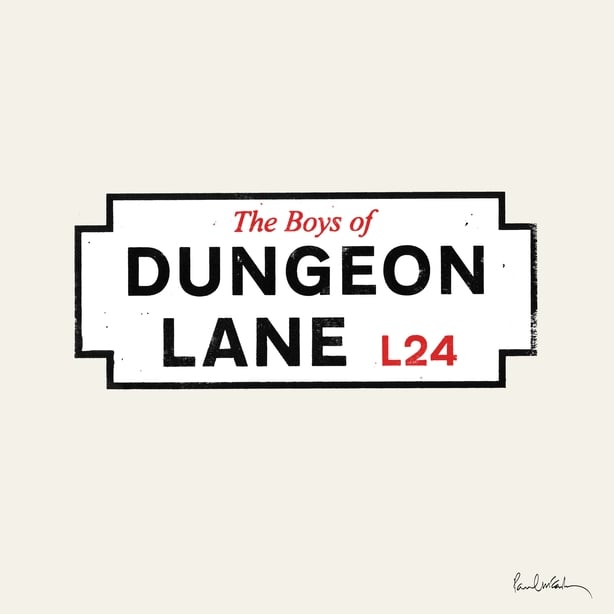
But there is also a sense of circuits been closed and a career being bookended on The Boys of Dungeon Lane, which is named after a suburban road in McCartney's childhood neighbourhood. He fondly remembers hitchhiking with George Harrison (Down South), delivers a lovely eulogy to his parents (Salesman Saint), duets with Ringo Starr on a song about the good but impoverished old days (Home to Us), and even explores The Beatles’ very own creation myth (Lost Horizon).
Much like his self-titled solo album in 1970, McCartney plays the majority of the instruments on these 14 songs and for a man who has travelled through the worlds of rock 'n’ roll, pop, vaudeville and avant garde, he sounds reinvigorated and, like The Rolling Stones, Paul Simon and Dylan, ready to explode the myth of his autumn years and produce work that burnishes his legend.
It starts with a nifty sleight of hand on As You Lie There. McCartney, voice cracked and faltering, speak-sings about a lost love ("I used to walk past your house, I’d see your silhouette on the blind, do I ever cross your mind?") but just as you think he has entered his Johnny Cash American Recordings era and that The Boys of Dungeon Lane will be a stately meditation on age and mortality, the song suddenly takes off with a vamping guitar solo and all the flamboyant glammed-up excess of primetime Wings.
Sure, he watches the passage of time and the ebb and flow of memory on tracks like Days We Left Behind - a dulcimer beats out the notes of the past and McCartney sings, "nothing stays the same, no one needs to cry, nothing can reclaim the days we left behind" - but it's his enduring optimism that is the hallmark of the album.
Mountain Top, which appears to be about a girl tripping on mushrooms at Glastonbury, is another mischievous turn. "Pumpkin pies in the skies also try to hypnotise" as "butterflies multiple". A harpsicord hammers away, piano chords jangle and he plays some of the album’s best drumming and admonishes "Little girl, you’re tripping". Not quite renting a cottage in the Isle of Wight then.
Never Know takes on a sinister edge as those unmistakable bass notes bubble under an eerie string arrangement and Macca bravely essays his first "bomp, bomp, bomps" since the dreaded Frog Chorus. Come Inside, all guitar attack and swagger, is not so much an invitation as an order, while he explores the very essence of inspiration on the chugging rock of Lost Horizon.
Given just how fractious Paul’s relationship became with George Harrison towards the end of the Beatles (evidence of which still lingered in The Beatles Anthology series over thirty years ago), Down South is particularly moving. An acoustic strum, Paul looks back at his hitchhiking days with George and how they first met on the bus to the Liverpool Institute ("before we learnt how to twist and shout"). It concludes with the heartbreaking line, "It was a good way to get to know you."
There are snatches of Fabness everywhere - the recorder solo on the terrific Never Know, a spot of backwards tape action on the fadeout of We Two (which may be a sequel to the joyous Two of Us from Let it Be), the all-out psychedelic fug of Mountain Top, and the Dear Prudence style guitars on the fantastically good First Star of the Night.
His parents are eulogised on Salesman Saint (his dad, James, was the salesman; his mother, Mary, was the saint), another glimpse into Macca lore in which he again adopts a Sprechgesang and croons, "the war was over, the peace would soon begin, living on the edge of the city where the roads go in".
But most of all, McCartney’s unfailing sense of melody and lightness of touch make these songs sparkle and those old accusations of sentimentality ring hollow. You may even forgive the "granny music" of Life Can Be Hard and the hokey duet with Ringo Starr on Home to Us.
Given his work rate and undimmed love for what he does, we doubt this is his final fond farewell. This beautiful and moving twilight reverie is up there with the solo McCartney's very best.