


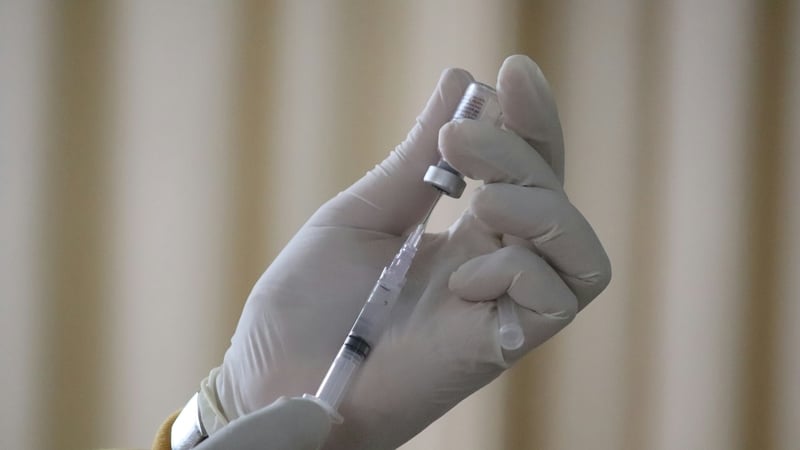
Analysis: Those most likely to benefit from steroid injections have persistent pain which disrupts sleep and who find other medications unsuitable
By Sarah Golding, University of Essex
Osteoarthritis affects around 600 million people globally. It causes pain, stiffness and reduced joint function – most commonly in the knees, hands and hips. There's currently no cure for osteoarthritis. Many people manage the condition through exercise, maintaining a healthy weight, using walking aids and medications.
Commonly used medications include anti-inflammatories and opioids. While these help some, they also carry downsides – including significant side-effects, particularly in over-60s, and risk of addiction from long-term opioid use.
Joint replacement surgery can be very effective for relieving pain and improving mobility, but waiting lists in the last two years hit an all time high, due to increasing demands and reduced capacity since the pandemic. Surgery also carries risks such as infection, blood clots and nerve damage. Joint replacement surgery is typically suitable for those with advanced stage osteoarthritis.
We need your consent to load this rte-player contentWe use rte-player to manage extra content that can set cookies on your device and collect data about your activity. Please review their details and accept them to load the content.Manage Preferences
From RTÉ Radio 1's Supercharged with Anna Geary, orthopaedic surgeon Maurice Nelligan on joint repairs and replacements
So how else can osteoarthritis be treated? Corticosteroid injections, commonly known as steroid injections or cortisone, have been used for joint pain for more than 70 years. They offer a rapid, effective way of reducing pain. Corticosteroids are anti-inflammatory drugs able to reduce inflammation and pain associated with osteoarthritis. Injecting corticosteroid directly into the joint means it has maximum effect where needed, while minimising effects on the rest of the body.
The effects of steroid injections can last for months, reducing the need for surgery and reliance on prescription drugs. Those most likely to benefit from steroid injections have persistent pain which disrupts sleep and function, and who find other medications unsuitable or ineffective. But as effective as steroid injections can be, their effects will vary from person to person. They may not be as effective in severe cases of osteoarthritis, as they only reduce inflammation and cannot repair damaged or lost cartilage.
Steroid injections may also risk accelerating arthritis or causing bone problems in some people, particularly if used in high doses or too often. Routine use in early stages of osteoarthritis is therefore generally avoided. This is because steroid injections can damage cartilage and bone cells which may further weaken and damage the joint.
We need your consent to load this rte-player contentWe use rte-player to manage extra content that can set cookies on your device and collect data about your activity. Please review their details and accept them to load the content.Manage Preferences
From RTÉ Radio 1's Brendan O'Connor, practical tips to mind our often-neglected joints from physiotherapist Aisling Frawley
Steroid injections may also not be suitable for people already taking high doses of steroids for other health problems (such as rheumatoid arthritis or asthma), and those who have a weakened immune system or are otherwise unwell. Taking too much artificial steroid affects the body's production of natural steroid, which is essential for our metabolism.
Steroid injections may increase risk of infection following surgery if an injection has been given beforehand. For this reason, the majority of surgeons recommend a minimum of three months between your last injection before surgery.
Although side-effects from steroid injections are fortunately rare, people need to be aware of these to make an informed decision about treatment. These can include infection, allergic reaction, bleeding, bruising, skin colour changes, temporary flare in pain, bone and joint changes and increased blood sugar levels in those with diabetes.
Taking too much artificial steroid affects the body's production of natural steroid, which is essential for our metabolism.
It's advised that injections aren’t performed more than every three to four months to reduce risk of side-effects and accelerating the arthritis. With hip injections there is need to be more cautious due to risks of cartilage and bone damage from even just one injection.
Managing joint health
Depending on the country, you may be able to have a steroid injection done by your GP, a nurse or a physiotherapist. Injections may be provided within a GP surgery, however hip and spine injections are usually guided by ultrasound or X-ray imaging, which may only be available within a hospital.
Since injections can temporarily reduce osteoarthritis pain, this provides a window of opportunity within which to start exercising. Exercise is important for managing osteoarthritis, as it can strengthen joint-supporting muscles and reduce pain. Physical activity can even be beneficial for those planning to undergo joint replacement surgery as it can improve pain, function and length of hospital stay after surgery.
We need your consent to load this rte-player contentWe use rte-player to manage extra content that can set cookies on your device and collect data about your activity. Please review their details and accept them to load the content.Manage Preferences
From RTÉ Radio 1's Today with David McCullagh, travelling abroad for surgical procedures
After injection, it’s recommended people initially rest for a few days, but then gradually increase the amount of exercise they undertake. A physiotherapist can advise on the best types of exercise you can do to help manage your osteoarthritis.
Addressing other contributing factors is essential for managing osteoarthritis, as well. There’s strong evidence linking various metabolic factors to osteoarthritis – such as obesity, diabetes, high cholesterol and high blood pressure. These factors increase inflammation within the body, which affects cartilage in joints. Losing weight where needed is also hugely beneficial in reducing strain on joints.
For those who may not want to use steroid injections, there are other options such as hyaluronic acid injections, for instance. These help our natural joint lubrication, called synovial fluid. In osteoarthritis, synovial fluid has less viscosity and levels are reduced. Hyaluronic acid is also believed to work as an anti-inflammatory.
Physical activity can even be beneficial for those planning to undergo joint replacement surgery as it can improve pain, function and length of hospital stay after surgery
Similar to steroid injections, they can reduce pain and increase movement and function. They may be more beneficial to people with earlier stage osteoarthritis and may theoretically have fewer negative effects to cartilage. There may also be value in combining the two types of injection.
Joint injections are not a cure for osteoarthritis. They can have variable effects, and work best combined with other management approaches (such as weight loss and exercise). But with long wait times for surgery, they may offer a valuable way to reduce pain and manage the condition.
Follow RTÉ Brainstorm on WhatsApp and Instagram for more stories and updates
Sarah Golding is a postgraduate MSK Lecturer at the School of Sport, Rehabilitation and Exercise Sciences in University of Essex. This article was originally published by The Conversation.
The views expressed here are those of the author and do not represent or reflect the views of RTÉ. If you have been affected by issues raised in this article, support information is available online
