

Analysis: Focusing on good habits and routines which are already working for you isn't nearly as exciting as starting a brand new one
We put a lot of stock in building new habits. Some are good for us, like starting a new exercise routine, eating healthier or getting outdoors more. The process is usually to do more of something or less of it, and much of our energy is put into these.
Yet we can forget that we have established habits that work well in our lives. We may already be early risers, regularly exercise and be well organised throughout the day. There are likely many habits you have developed that you don’t think about, instead focusing on what you do or don’t have.
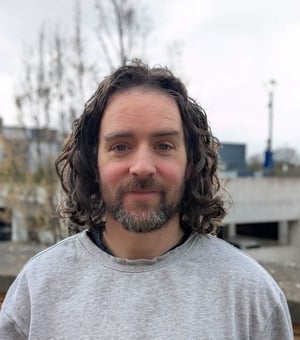
The reasons for this are that focusing on habits that are already working is hard to measure and isn’t nearly as exciting as starting a brand new habit, says Dr Trudy Meehan, lecturer and researcher in the Centre for Positive Health Sciences at the RCSI.
We need your consent to load this rte-player contentWe use rte-player to manage extra content that can set cookies on your device and collect data about your activity. Please review their details and accept them to load the content.Manage Preferences
From RTÉ Radio 1's Drivetime, how are habits formed?
"In the actual research on behaviour change, there's very little on maintaining habits, or how to keep going, because it's very hard to measure stuff that's already working," she said. "It’s much easier to measure something new, starting from zero and getting a big result. It doesn't get a lot of airtime or interest, because it's not very exciting and it's hard to measure."
Part of the reason is that measuring the impact becomes harder beyond the initial boost you get from a new habit. Starting a gym routine from scratch will see you experience rapid improvement within the first couple of weeks, but it plateaus after a while. The only way to understand the impact of an established habit is to measure over a longer period.
"If I suddenly started going to the gym, I'd suddenly look fitter in six weeks, but after that, I probably wouldn't look any different for quite a while," Meehan says. "But if I took a six-month snapshot, then I'd have to push out the reviewing myself to give longer time to see the impact. So you could take it longer."
We need your consent to load this rte-player contentWe use rte-player to manage extra content that can set cookies on your device and collect data about your activity. Please review their details and accept them to load the content.Manage Preferences
From RTÉ Radio 1's The Business, is being late repeatedly bad manners or hardwired habit?
"If we can measure objectively in any way, that's better, and then drag out the timeline because even the measured gains will be smaller over time."
Perils of social media
One area Meehan says affects our attention is social media, with its penchant for short, buzzy clips and posts. There are two modes of attention in our brain - the Default Mode Network (DMN), which is our internal world, and our task-focused system, which is external.
"What seems to be happening with social media is that we’re constantly activating the outward focus," Meehan explains. "Therefore, we have less time for reflection and less boredom. We need space for that DMN to come on board.
"So we end up not only getting pulled into new, exciting routines, because they're exciting, and we click on them. But also, we're not giving ourselves enough time to reflect and plan a decent routine, and to consolidate it."
From RTÉ Radio 1's Brendan O'Connor show, neuroscientist and clinical psychologist Professor Ian Robertson on how to form habits
Habit formation is complex and can take longer than we would like. Studies find that the time needed for a behaviour to become second nature ranges from 59 to 154 days, though it requires meaning as well as time and repetition. If you want to improve your running speed, for example, but a social media algorithm keeps presenting you with more and more posts on the topic, the original idea doesn’t have the space to settle and become part of your story.
"It has to weave into our story of who we are and who we want to be," according to Meehan. "So if every time you open your phone and see a new routine, you're not getting time just to weave a story of why. There’s no space for the story.
"We're not letting it digest and absorb all the nutrients, which is what happens if you stick to one good routine for a while and don't change it."
We need your consent to load this rte-player contentWe use rte-player to manage extra content that can set cookies on your device and collect data about your activity. Please review their details and accept them to load the content.Manage Preferences
From RTÉ Radio 1's The Business, a psychiatrist psychs us up on how to make new habits
Developing habits
Meehan also recommends choosing something meaningful to you that ties into the identity you want to form. For example, if you were quitting smoking, doing it so you can be there for your children can be more inspiring than doing it for your own health.
Likewise, picking a specific day or time for your routine can help it stick. If you cook on a specific day or have your running gear ready in a particular space, that can help it stick. Adding a new habit to an already established routine can also help.
Routines take away the unpredictable, scary part of being a human
The big reason we form routines is to help us be better humans. "If we can automate a lot of our routine activities, it means our DMN has the freedom to be creative, think about relationships, think about meaningful things", adds Meehan, "And be intentional in our behaviours rather than just responding to stuff on social media.
"They help us feel some control in an unpredictable world, so we have a better internal locus of control if we have routines. We feel calmer, and if we’re calm, we’re happy. It takes away the unpredictable, scary part of being a human."
Follow RTÉ Brainstorm on WhatsApp and Instagram for more stories and updates
The views expressed here are those of the author and do not represent or reflect the views of RTÉ