
Analysis: As DJ, musical trendsetter and co-founder of the Blitz Club, Rusty Egan played a pivotal part in the rise of New Romantic music and style
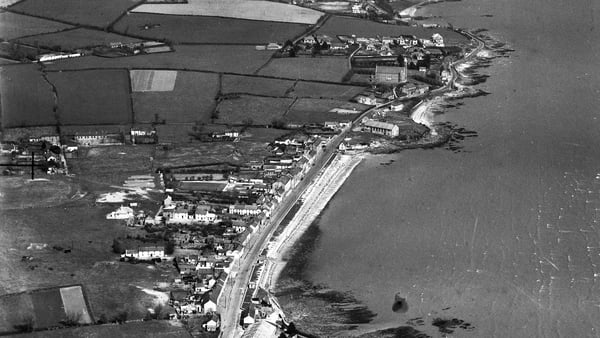
The picturesque village of Croom in Co Limerick might seem like an unlikely birthplace for a revolution in pop music and fashion. But in 1957, a son called Peadar was born to John and Bernadette Egan. John was a tailor, like his father from Dromcollogher, and he was also a musician, who played saxophone in a showband. Perhaps it's no surprise then that this child developed an expert eye for style, and a keen ear for music.
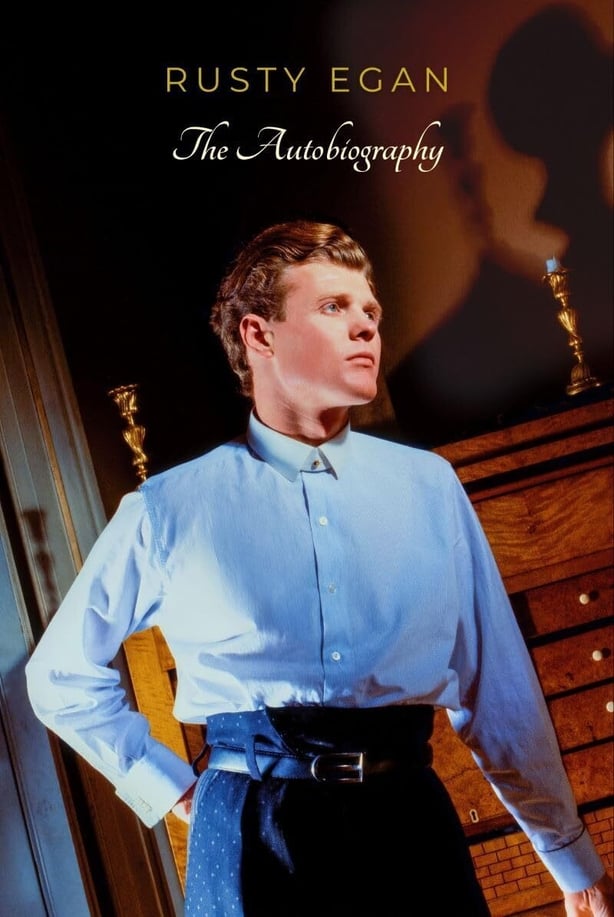
Like so many Irish people in the 1950s, the Egans fled an impoverished Ireland for better prospects in England and brought up their seven children in outer London. Like a lot of young Irishmen in England, Peadar was able to look after himself in a fight. But when he was a teenager, he decided that he didn’t want a life of street-fighting. As he recounts in his moving autobiography, "music was my way out. The only thing that I really loved."
Dylan Jones' authoritative 680-page Sweet Dreams book on the New Romantic movement identified London's Blitz club as the epicentre of the scene. It was a small club in Covent Garden, but its cultural shockwaves are still felt in the fields of music, fashion, art, retail and publishing - and Peadar Egan was at the centre of it.
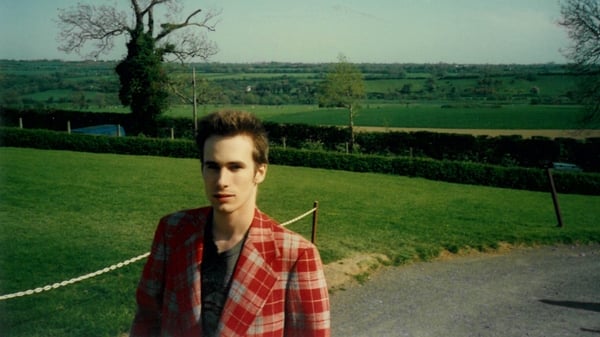
In London he became known as 'Rusty’ Egan after his flame-coloured hair, and his first venture was a very basic do-it-yourself affair. The small mews flat he was renting came with a garage where he parked his car. When his car broke down and he couldn’t afford to replace it, he decided to have a party in the flat and the garage. Along with his co-hosts, Steve Strange and Princess Julia, he attracted 100 people. Everyone enjoyed the night, apart from the neighbours and his landlady so he was evicted.
We need your consent to load this rte-player contentWe use rte-player to manage extra content that can set cookies on your device and collect data about your activity. Please review their details and accept them to load the content.Manage Preferences
From RTE Radio 1's Arena, Peter Murphy reviews Dylan Jones' Sweet Dreams about the social history of the New Romantic movement
But the night gave him the idea for a club which would transform London’s nightlife. Egan and Strange, found a run-down seedy Soho venue called Billy’s, and began a regular David Bowie-themed Tuesday night club there. It attracted ex-punks, fashion students, flamboyantly dressed football fans, squatters with dreams and creative types. It welcomed both gay and straight dancers as long as they dressed with daring and panache. It eventually outgrew the Soho venue and needed a new home.
Fortunately for Egan, another young Irishman in London, Brendan Connolly, was managing a venue called Blitz. It was in a part of the city that few people then visited: the dark abandoned old fruit and vegetable market area called Covent Garden. Connolly had been hosting theme nights and fantasy costume events since 1978, so he understood this flamboyant flock of youngsters when they gathered in 1979.
A striking-looking second-generation Irishman was given the job of running the cloakroom. When he eventually emerged into the glaring daylight of superstardom, Boy George embodied many of the characteristics of the Blitz crowd: ambitious, a dab hand with make-up, a love of attention and a passion for pop.
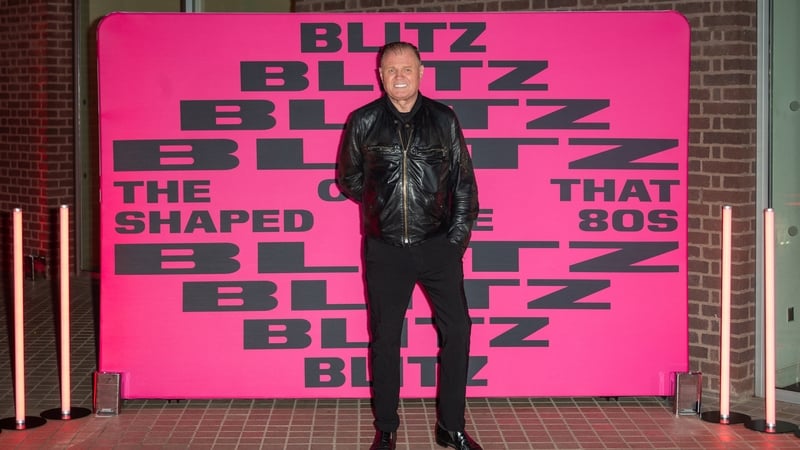
From PA Media, Spandau Ballet's Gary Kemp, DJ and Blitz co-founder Rusty Egan, costume designer Fiona Dealey and BBC broadcaster Robert Elms at the London Design Museum's exhibition on the history of the Blitz club where the culture of the 1980s began
In some ways, Egan downplayed his vital role in the formation of the scene and its music and style. "I wasn’t a DJ," he quipped to Jones. "I was a guy with a record collection." But this self-deprecation overlooks two things. First, Egan had adventurous music taste and an obsessive ear for new sounds. He travelled to Germany in a quest for novel sounds. Secondly, as an accomplished drummer, he had an ingrained sense of rhythm and beats. He knew what people would dance to.
Egan’s role in the formation of the new youth subculture is well documented by Robert Elms, a journalist and broadcaster who was part of the scene from the very beginning. For Elms, Egan was never acknowledged as a ‘superstar DJ’ even though the scene he shaped with his record selection was ‘every bit as radical and transformational as punk ever was’. Egan let the music shine. In a way he became ‘the musical director of our collective show, that phantom film we were all making’.
From the Rockonteurs podcast, Gary Kemp and Guy Pratt talk to drummer, DJ, musical trendsetter and co-founder of the Blitz Club in London Rusty Egan about his autobiography
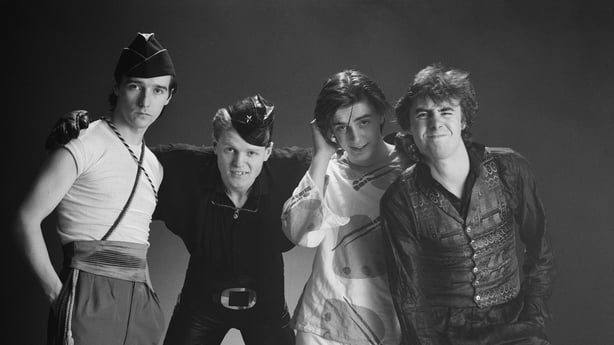
There are very specific examples of this. When one young band visited the club and heard Egan's carefully curated sounds, they immediately decided 'we should go and get a synthesiser straight away.’ That cheap synthesiser defined their sound; they changed their name to reflect their rebirth. As Spandau Ballet, they made the debut in Egan and Strange’s club and quickly signed a major record deal with Chrysalis records. Egan's expertise was also called upon by U2 who hired to work him to work on their boutique label, Mother, in 1988 which was set up to encourage emerging Irish talent.
Just like Shane McGowan, Egan is one of the key, quirky links between Irish music and punk. He'd played drums in his parent’s Irish showband in London before he developed the urge to play more youthful adventurous sounds. He was invited to rehearse with The Clash when they were starting out. They took him under their wing before he was snapped up by the Rich Kids, Glen Matlock's post-Sex Pistols' band,. His powerful percussion with Skids, and on Phil Lynott’s Yellow Pearl, testify to his skill.
But Egan's greatest legacy is as a DJ. In Blitz, he brought together the German electronic sounds of Kraftwerk and that musical cohort with a group of stylish young people. Egan provided the soundtrack for non-conformity and self-expression in a scene that became celebrated as the New Romantics. It might seem a long way from Croom in the 1950s, but the New Romantics had something in common with the Irish emigrants of the post-War era: they were all people dreaming of a better life.
Follow RTÉ Brainstorm on WhatsApp and Instagram for more stories and updates
The views expressed here are those of the author and do not represent or reflect the views of RTÉ