


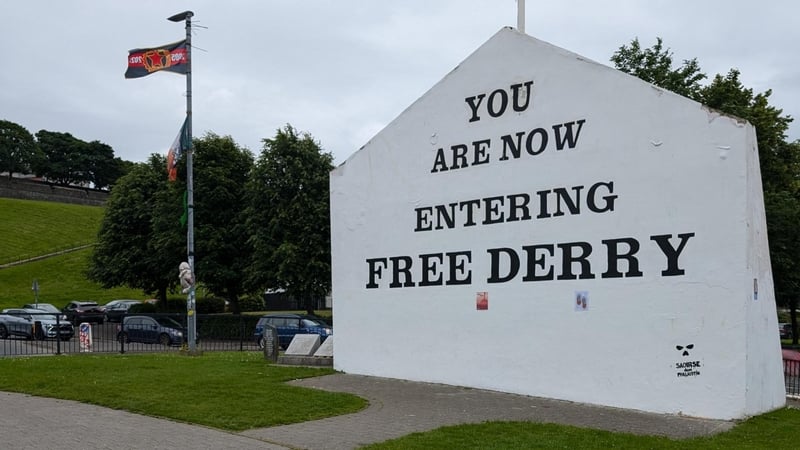

Analysis: Murals form the backdrop of everyday life in Northern Ireland, with some turning regular street corners into internationally identifiable landmarks
There is a common saying that suggests 'if these walls could talk' they would have incredible stories to tell. While the image of walls coming to life may seem supernatural or difficult to imagine, in Northern Ireland the walls have been communicating with the public for decades. The ever-changing murals that inject vibrancy into the cities of Derry and Belfast attract many tourists each year.
Although many cities across the globe are admired for their street art scene, the artworks in Northern Ireland stand out due to their connection to the Troubles. Despite the signing of the Good Friday Agreement in 1998 marking a turning point towards peace, murals remain prominent across Derry and Belfast in 2026. The contrasting historical narratives between republican and loyalist communities are visually debated on the walls.
We need your consent to load this rte-player contentWe use rte-player to manage extra content that can set cookies on your device and collect data about your activity. Please review their details and accept them to load the content.Manage Preferences
From RTÉ News, have Belfast's murals have evolved over the years
The lengthy history of the artform has been documented by mural expert Bill Rolston. He has chronologically tracked the artistic developments through the popular Drawing Support book series. Murals form the backdrop of everyday life in Northern Ireland. While some go unnoticed, others turn regular street corners into internationally identifiable landmarks.
The artform has flourished over the years with a broad range of themes being covered by both republican and loyalist communities alike. Although these murals were once powerful tools in a heated propaganda campaign, they now fulfill a peaceful role by creating meeting points for communities to gather and reflect on their shared past.
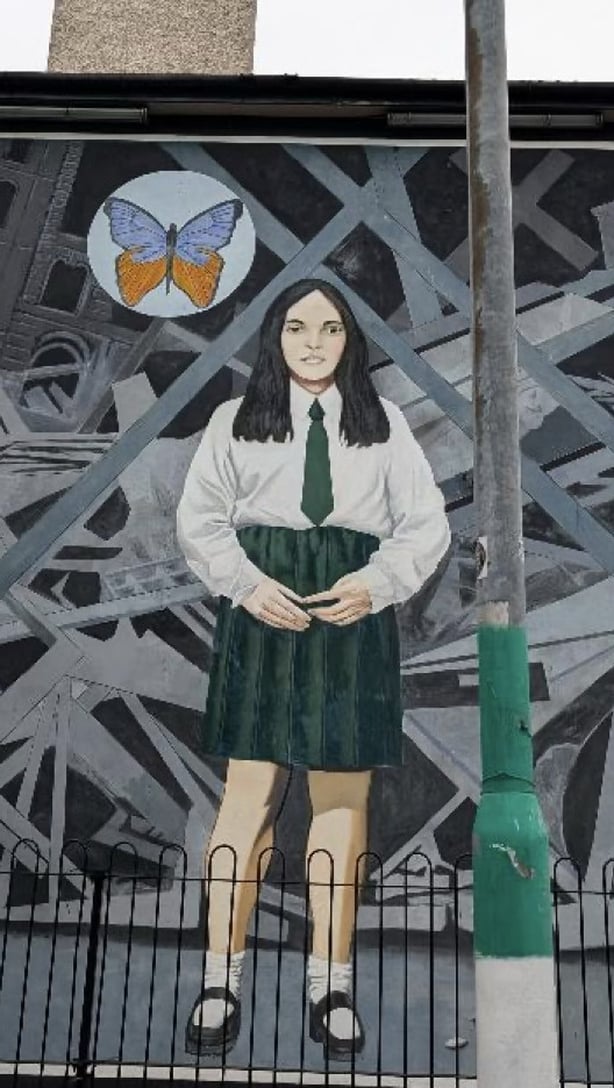
Murals also function as educational resources for younger generations by introducing them to the events and figures that shaped the history of their area in a visual and accessible manner.
Many of these artworks lack the company of a written explanation. Their meaning constantly changes depending on the experiences and opinions of the individual viewing them.
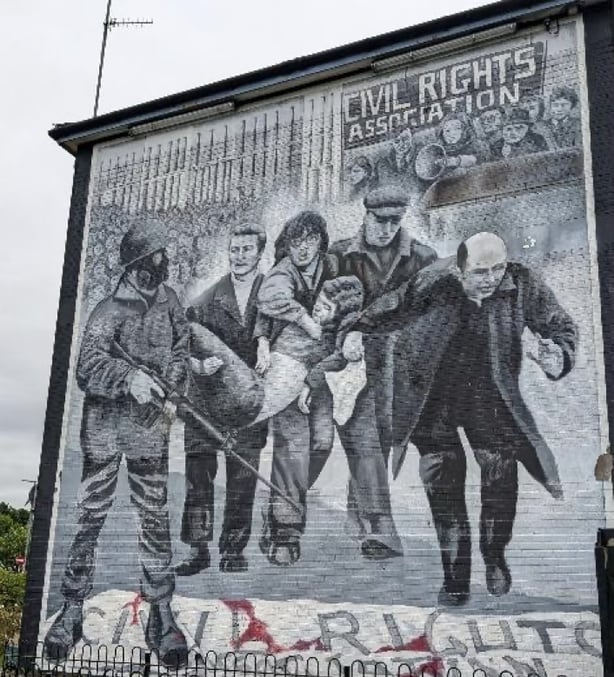
While many visitors to the area may simply view this mural as a tribute to late republican hunger striker Bobby Sands, others may recognise the subtle connections to history embedded in the image.
The duality of Sands' legacy reinforces the importance of creating a public commemoration that accurately reflects the historical narrative of the local republican community.
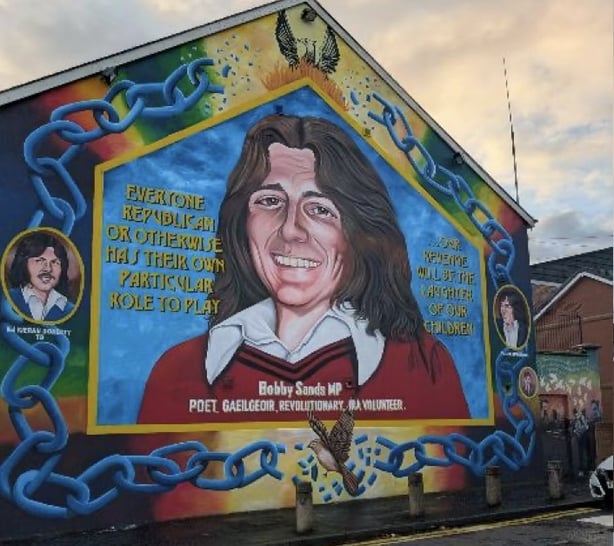
On 5 May 1981 the news of Sands' death rippled through the media evoking mixed reactions; some mourned a 'hero' while others remembered a 'terrorist’. By presenting Sands as a smiling young man with an appreciation for Irish language and culture, the idea of the terrorist that circulated in the media is challenged.
The actions of Sands and his fellow hunger strikers is further defended through carefully placed symbols. The phoenix at the top of the mural subtly connects with the historic rise of Irish nationalism from the ashes of defeat of the 1916 Easter Rising.
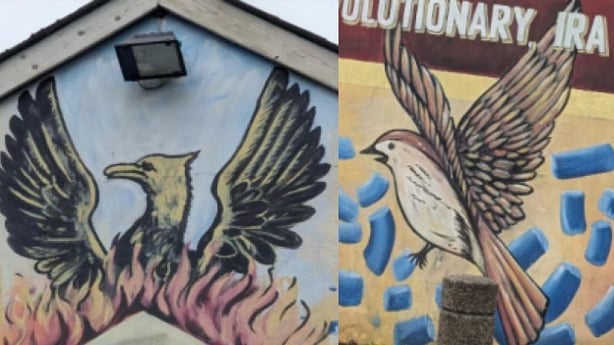
The symbol was also linked to the emergence of the Provisional IRA after the split in 1969. The recycling of this symbol reveals the emphasis placed on history and tradition within the republican movement. The friendly lark accompanied by the broken chains at the bottom of the artwork also draws on republican ideology by referencing Sands' prison writings.
Sands declared the lark to be the greatest symbol of 'freedom and happiness'. The lark can also be viewed as a representation of Sands' spirit and mind which remained unbroken despite his prisoner status.
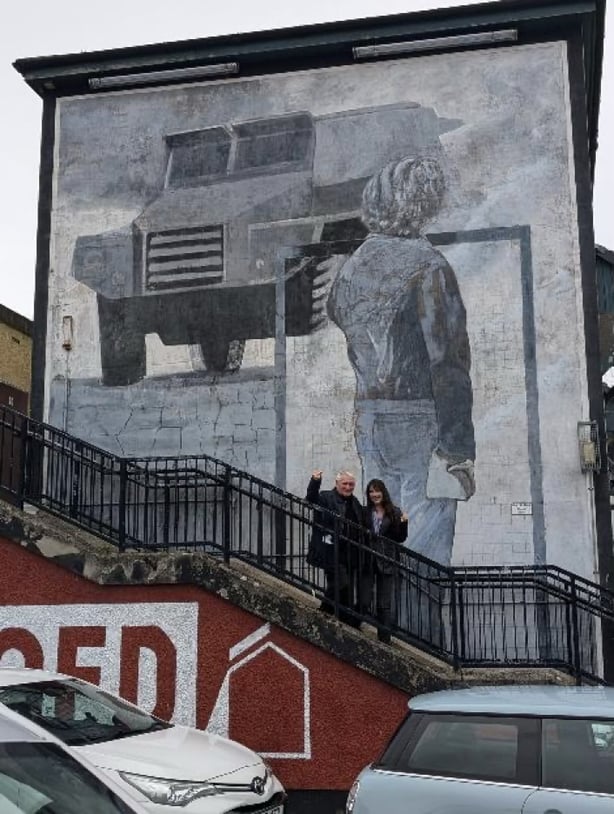
Similarly, an art trio known as the Bogside Artists took to the walls in Derry to reflect the history of their community. This collection of artwork captures shocking events that became a regular sight for ordinary people during the conflict.
This mural is based on a photograph captured by the late photographer Clive Limpkin. While rioting had become a common occurrence during this violent period, this mural captures more than just a random snippet of conflict. This image tells the story of a day in the life of Billy McVeigh, "the best rioter in Derry". The image of a young man, alone with only a rock to defend himself against a large army tank captures the essence of the civil rights movement which called on individuals to come together and challenge something much bigger than themselves.
Trailer for Once Upon A Time in Northern Ireland
McVeigh has recently shared his personal experience of growing up during the Troubles in the documentary series Once Upon a Time in Northern Ireland. The murals above prove that a simple image can capture the history of an area while connecting with locals and tourists of all ages and backgrounds. Murals function like archeological sites with each viewer excavating their own historical treasures.
The importance of the mural art scene in Northern Ireland is continuously proven through the effort put into maintaining these iconic artworks along with the encouragement of new and emerging artists within the area.
Local and international artists will take to the walls across the Cathedral Quarter in Belfast from April 30 to May 3 as part of the Hit the North mural festival.
Follow RTÉ Brainstorm on WhatsApp and Instagram for more stories and updates
The views expressed here are those of the author and do not represent or reflect the views of RTÉ
