


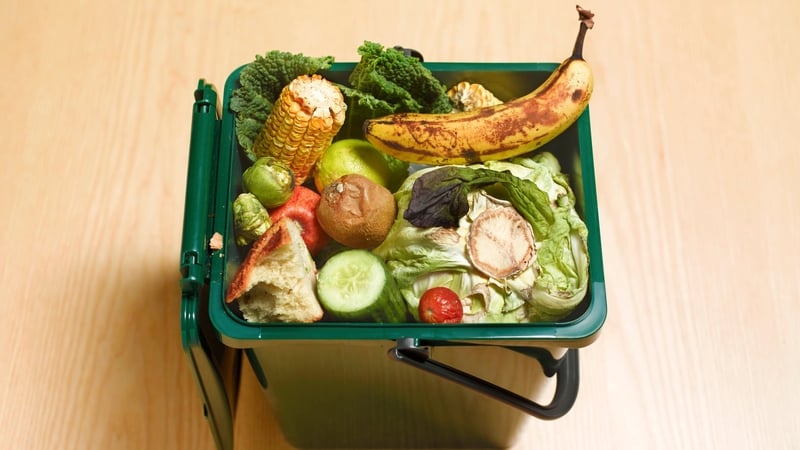
Analysis: Small, practical adjustments can make a huge difference when you're trying to reducing food waste at Easter
Easter is typically a time of abundance, with households buying and preparing more food than usual. This often leads to increased food waste, driven by over-purchasing, poor planning, and confusion about storage and date labels. Research consistently shows that consumer behaviour plays a central role in food waste generation, particularly in high-consumption periods linked to celebrations and seasonal events.
In Ireland, household food waste remains a significant issue, with substantial environmental and economic impacts. Food waste contributes to unnecessary greenhouse gas emissions and represents a loss of valuable resources across the supply chain. At the household level, much of this waste is avoidable and linked to everyday habits rather than unavoidable spoilage.
One of the most effective ways to reduce food waste is planning ahead. Even a simple meal plan for the Easter weekend can significantly reduce overbuying and help ensure that purchased food is used efficiently. Studies show that structured shopping behaviours, such as planning meals and using lists, are associated with lower levels of household food waste.
We need your consent to load this rte-player contentWe use rte-player to manage extra content that can set cookies on your device and collect data about your activity. Please review their details and accept them to load the content.Manage Preferences
From RTÉ Radio 1's Drivetime, where should you keep your fruit and veg?
Closely linked to this is the importance of checking what is already available at home before shopping. Many households unknowingly duplicate purchases, particularly of perishable items. This behaviour has been identified as a key driver of avoidable waste. Another critical factor is portion control. Preparing excessive quantities of food, particularly for large meals or gatherings, often results in leftovers that are not fully utilised. Research indicates that over-preparation is a consistent contributor to food waste across European households.
Understanding and managing date labels is also essential. There is widespread confusion between "use by" and "best before" dates, which can lead to perfectly edible food being discarded unnecessarily. Evidence shows that improving consumer understanding of date labelling can significantly reduce food waste.
Proper food storage practices can further extend shelf life and reduce spoilage. Maintaining fridge temperatures below 5°C, storing food correctly, and using the freezer effectively are simple but impactful measures. Research highlights that improved storage behaviours are strongly linked to reduced household waste.
We need your consent to load this rte-player contentWe use rte-player to manage extra content that can set cookies on your device and collect data about your activity. Please review their details and accept them to load the content.Manage Preferences
From RTÉ Radio 1's Today With David McCullagh, how food waste apps could save you money on your grocery bill
A shift in mindset is also needed regarding food appearance. Consumers often reject imperfect fruit and vegetables, despite no difference in taste or nutritional value. This preference for cosmetic perfection contributes to waste both at the retail and household levels. Accepting variation in shape, size, or appearance can help reduce unnecessary disposal.
Equally important is the ability to use leftovers creatively. Leftovers represent an opportunity rather than a burden, providing the basis for new meals or ingredients for future use. Studies show that households that actively reuse leftovers generate significantly less food waste.
Beyond individual behaviours, it is important to recognise that food waste is influenced by wider systemic factors. As highlighted in recent research: "Evidence suggests that marketing standards can both contribute to and mitigate food waste, depending on how they are applied and interpreted across the supply chain". This highlights the need to combine practical consumer actions with broader awareness of how food systems operate.
We need your consent to load this rte-player contentWe use rte-player to manage extra content that can set cookies on your device and collect data about your activity. Please review their details and accept them to load the content.Manage Preferences
From RTÉ 2FM's Jennifer Zamparelli, Claire MacEvilly from Airfield Estate talks about the mission to make Dublin a sustainable food city
Finally, it is worth considering the broader sustainability context. Food waste does not occur in isolation but is closely linked to purchasing habits, packaging use, and dietary choices. Reducing waste, choosing appropriate quantities, and making the most of available food are all part of a more sustainable approach to consumption.
Reducing food waste at Easter does not require drastic changes. Small, practical adjustments, planning meals, storing food correctly, understanding date labels, and making use of leftovers can collectively make a significant difference.
Consumer-focused initiatives across Ireland continue to demonstrate the effectiveness of simple behavioural interventions in reducing household food waste, as highlighted by community-based programmes such as those led by Airfield Estate.
How much food per person for a classic Irish Easter lunch?
Portion planning is one of the most effective ways to prevent food waste, particularly during festive meals where over-catering is common. Keep in mind to check use-by dates and use/freezing options to avoid waste.
| Ingredients | Quantity per person |
|
Lamb (Raw, leg/shoulder) |
180-220g |
|
Ham (raw) |
80 - 100 g |
|
Roast potatoes |
150 g |
|
Mash potato |
100 - 150 g |
|
Spring vegetables (e.g. carrots, greens, peas) |
80 - 100 g |
|
Asparagus/green beans |
60 - 80 g |
|
Mixed salad |
50 - 70 g |
|
Milk (tea, coffee, mashed potatoes, sauces, dessert) |
250 - 300 ml per adult |
|
Cream (Irish coffee, pavlova, sauces, etc.) |
10 ml per adult |
|
Butter (cooking vegetables, mashed potatoes, table butter) |
35 - 40 g per adult |
|
Bread/rolls |
1 - 2 per person |
|
Stuffing (for lamb) |
60 - 80 g |
Follow RTÉ Brainstorm on WhatsApp and Instagram for more stories and updates
Angelo Galatolo is a food technologist at the Teagasc Food Research Centre. He is also part of the ROSETTA food waste project.
The views expressed here are those of the author and do not represent or reflect the views of RTÉ
