


Analysis: A snapshot of such trends as buyers, prices, cost of building materials and energy efficiency according to CSO data
The CSO's Housing Hub has been designed to simplify the process of providing information on housing in Ireland on the Central Statistics Office website. It provides data on home building, the cost of building these homes, property prices and rents and housing features. We spoke to Cormac Halpin, Senior Statistician with the CSO, about what the CSO's Housing Hub can tell us about emerging trends in the housing market in Ireland
What do we know about the number of houses being built?
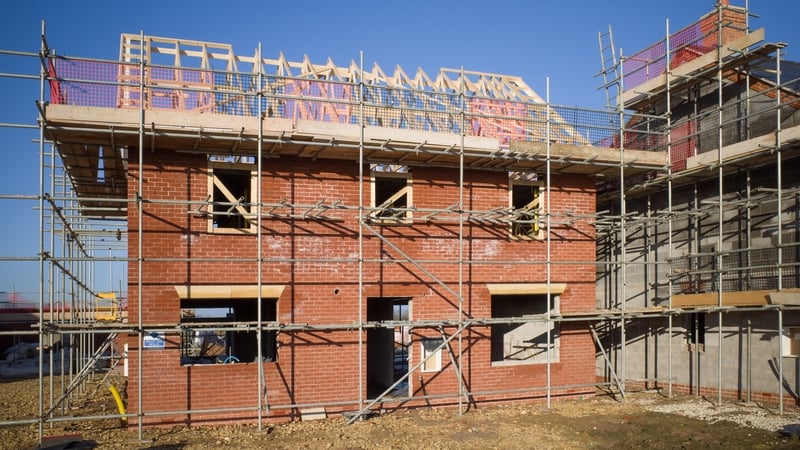
There were more than 36,000 new homes built in Ireland in 2025. This was up 20% on what was built in 2024 and the highest number of new homes constructed since 2011. While more than 13,000 of the new homes built last year were in Dublin, there was growth in other counties.
We need your consent to load this rte-player contentWe use rte-player to manage extra content that can set cookies on your device and collect data about your activity. Please review their details and accept them to load the content.Manage Preferences
From RTÉ News, CSO figures show over 36,000 new homes were built in Ireland in 2025
With demand for housing remaining high, looking at the CSO’s quarterly Planning Permissions statistics can give an indication of the level of new home building in the pipeline. The most recent figures for 2025 show the number of units given planning permissions was 34,974. This was an increase of around 8% on the previous year and growth in permissions for new apartments was up by 9%.
What types of houses are being built?
The new housing market has been increasingly focused on higher density housing over the last number of years, reflecting population growth in urban areas and relatively fewer one-off housing. In 2025, around half of the new homes built were part of larger residential developments, while a further third were apartments. Looking back 10 years to 2015, 9% of new homes built in that year were apartments, while nearly half of new builds were one-off houses.
New homes are also becoming increasingly energy efficient. Nearly every home built between 2020 and 2025, for which a Building Energy Rating (BER) cert was received, was rated A. In contrast, only 38% of homes built in the period 2010 to 2014 which received BER certs got an A rating.
We need your consent to load this rte-player contentWe use rte-player to manage extra content that can set cookies on your device and collect data about your activity. Please review their details and accept them to load the content.Manage Preferences
From RTÉ Radio 1's Drivetime, what is the point of BER ratings?
Who is buying these homes?
The average age of people who bought homes in Ireland in 2024 was 40, but this varied by county. In South Dublin, the average age was 37, whereas in Kerry it was 45. Nearly six in 10 homes purchased in 2024 were bought by couples, with most of the rest split equally among single male and single female buyers.
The amount of money required to buy a home has also been increasing. The average income per transaction among home buyers in 2022 was €75,600. Just two years later in 2024, this had risen to €84,400. This average is calculated by transaction, so a couple buying a home together is recorded as one transaction with the buyers having a combined income of €84,400.
Later this year, the CSO will publish analysis on first time buyers, which will look at their age profile, their income, what type of homes they are buying, and where.
We need your consent to load this rte-player contentWe use rte-player to manage extra content that can set cookies on your device and collect data about your activity. Please review their details and accept them to load the content.Manage Preferences
From RTÉ Radio 1's Drivetime, Una Kelly reports on difficulties facing first time buyers
How much does the average house or apartment cost now?
The median price of a home bought in Ireland in the 12 months to the end of 2025 was €387,000. Our monthly release on residential property prices shows the price of buying a home rose by 7% in this period, with the rate of growth higher at 8.1% among homes bought outside of Dublin, compared with 5.6% in Dublin.
To get a sense of how prices have changed over a longer time period, the average price of buying a home in the year to the end of December 2021 was €280,000, so the average price rose by 38% in the four years to the end of 2025.
As with other housing statistics, there are significant differences in property prices across the country. The highest average price in December 2025 was in Dun-Laoghaire Rathdown at €679,999, significantly more expensive than the county with the lowest average property price, which was Donegal at €195,000.
We need your consent to load this rte-player contentWe use rte-player to manage extra content that can set cookies on your device and collect data about your activity. Please review their details and accept them to load the content.Manage Preferences
From RTÉ Radio 1's. Morning Ireland, RTÉ Political Correspondent Mícheál Lehane on how vacant properties are being targeted under the new National Housing Plan
What about vacant homes?
Vacant homes are a potential source of unused housing and the CSO recently began looking at new ways to capture the level of vacancy in Ireland. In 2024, there were around 70,000 homes which the CSO classified as vacant based on very little or no long-term electricity usage. This meant that around 3% of all homes in the country were vacant.
Vacancy was generally much lower in urban areas, with rates below 1% in places like Palmerstown-Fonthill and Dun Laoghaire in Dublin. In contrast, vacancy rates of around 10% were found in Adare-Rathkeale in Limerick and Manorhamilton in Leitrim.
Have building materials and wage costs increased?
Not only have the prices people pay for homes been rising, so too have the costs of materials used in building and constructing these homes. The Wholesale Price Index (WPI) for building and construction materials tracks the prices of a range of materials used in building projects. Over the five years between February 2021 and February 2026, it rose by 37.1%.
Another major part of the costs of building homes are wages among people working in construction. Here, there have also been increases. The average hourly earnings of people working in the construction sector rose by 19.5% when comparing the third quarters of 2021 and 2025.
The CSO publishes a wealth of data on housing, food, transport and much more. More information can be found online or on various social channels.
Follow RTÉ Brainstorm on WhatsApp and Instagram for more stories and updates
The views expressed here are those of the author and do not represent or reflect the views of RTÉ
