

Analysis: The colourful sport has long provided cheap thrills in Mexico City, but growing popularity, gentrification and higher prices are changing this
Lucha libre is enjoying a moment. Mexico's homegrown version of professional wrestling has never been more popular internationally, and a trip to a lucha show has become a near-obligatory experience for visitors to the city. While growing visibility has helped to grow lucha, there have been some downsides linked to ongoing gentrification in Mexico City.
'Professional wrestling’ (loosely defined as a form of entertainment based on wrestling but with pre-determined outcomes) arrived in Mexico from the US in the 1800s, but really took off in the 1930s when a tax inspector named Salvador Lutteroth, impressed by a show he had seen in El Paso, founded the Empresa Mexicana de Lucha Libre (Mexican Wrestling Enterprise). Under his direction, Mexican wrestling developed its own unique style and came to be known as lucha libre (literally ‘free fighting’).
From Artcore Channe, the history of lucha libre
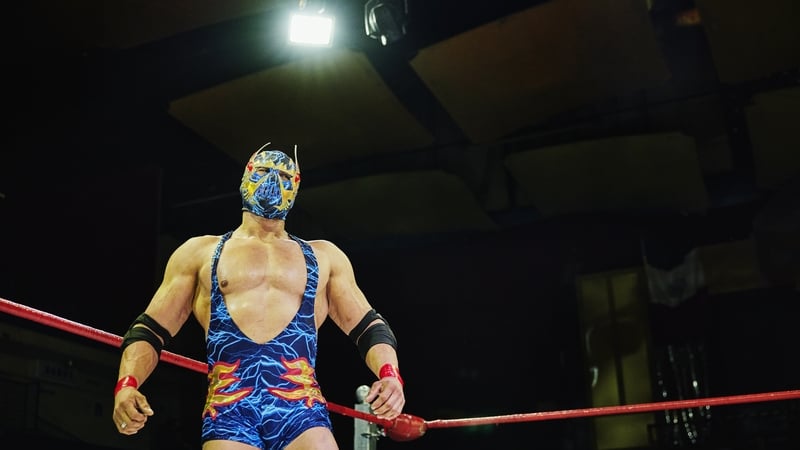
Nowadays, lucha occupies a central position in Mexican popular culture and matches are characterized by dramatic storylines and acrobatic displays of mock combat. Individual luchadores (wrestlers) have stage names, such as the iconic Huracán Ramirez (Hurrican Ramírez), and wear colourful spandex outfits, which usually include a mask. In certain high-stakes fights (called ‘luchas de apuestas’), the loser is subjected to the ritual humiliation of having their mask removed by the victor. Although fights are scripted, their execution relies on high levels of athleticism among participants. Anthropologist Heather Levi (who spent many years studying lucha) describes it as sitting "on the border between sports, theater, and ritual."
As lucha’s popularity grew, it spread into other domains (such as comic books) and even spawned a film industry, with roughly 200 luchador films produced during the genre’s peak years. The biggest star was El Santo (The Saint), who starred in over 50 films, typically involving him tackling aliens, vampires or some other malevolent force.
Though traditionally a male-dominated spectacle, female luchadoras have gained increased prominence since a ban on their participation was lifted in 1986. Exóticos (luchadores who perform in drag) have also grown in popularity, bolstered by the international success of the 2023 biopic Cassandro starring Gael García Bernal.
Trailer for Cassandro
Luchadores are classified as either ‘técnicos’ (technically adept wrestlers who play by the rules) or ‘rudos’ (rule-breaking villains). With storylines pitting good against evil, lucha sometimes provides a stage where public frustrations with corruption are vented. The lucha aesthetic has also made its way into grassroots politics. In the wake of Mexico City's 1985 earthquake, a community activist donned a lucha outfit and adopted the persona of ‘Superbarrio Gómez’ as a way of drawing attention to the plight of destitute families. Other activists have since followed his example.
Why is lucha now so popular globally? The 2006 Hollywood film Nacho Libre (starring Jack Black) helped to bring the sport into consciousness in the English-speaking world, as did the appearance of luchadores in WWE competitions in the US and vice versa. The current visibility of lucha might also have something to do with the popularity of Mexico City as a holiday destination and as a place where so-called digital nomads can live relatively cheaply in a stylish, cosmopolitan metropolis.
From RTÉ Archives, Tommie Gorman reports for RTÉ News on the visit of international wrestling stars Dynamite Debbie, Princess Paula and Giant Haystacks to Cavan in 1989
It is this last point that points the way to lucha’s current predicament and why it may be becoming a victim of its own success. Lucha was typically a working-class sport centred on accessibility and community and provided affordable entertainment for families from some of Mexico City’s most disadvantaged areas. But now that going to a lucha event has become a must-have experience for visitors, locals say that prices have gone up and good seats have become harder to get.
This ties in with the wider question of gentrification in Mexico City, a phenomenon that has impacted on property prices and the cost of living in some of the city’s historic neighborhoods such as Roma and La Condesa. Ironically, the capital’s two biggest lucha arenas are located in Tepito and Doctores, which continue to be two of the most disadvantaged areas in Mexico and haven’t yet enjoyed any of the investment that is supposed to accompany gentrification. Indeed, travel guide Lonely Planet is careful to point out that, while Arena México in Doctores is close to the fashionable Roma district, Doctores itself is ‘rough around the edges’. The guide cautions against wandering around the area after the show.
While lucha libre has become a flashpoint in the struggle against gentrification in Mexico, some see its growing popularity as an opportunity for improved conditions for luchadores. Artisan mask-makers such as Guadalupe Zuñiga are also benefitting from the lucha boom, with the prospect of increased sales on the horizon when international football fans descend on the city for the 2026 World Cup.
Follow RTÉ Brainstorm on WhatsApp and Instagram for more stories and updates
The views expressed here are those of the author and do not represent or reflect the views of RTÉ