


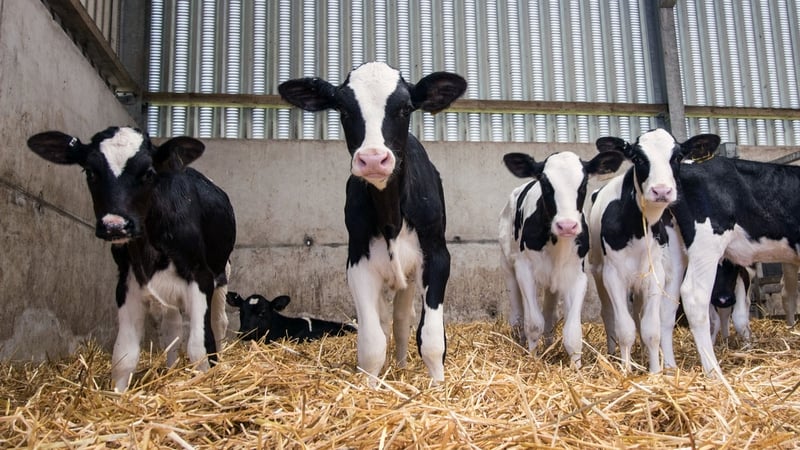
Analysis: Here are the four things that matter most during the first few months of a calf's life
Irish beef farming is changing - and not just in how animals are reared, but in how farmers learn. For decades, farming knowledge was shared in person. Farmers attended discussion groups, went to mart sales during the day, or met advisors on the farm. But the reality of rural life has shifted. Today, many beef farmers no longer farm full-time. Instead, farming fits around off-farm employment, commuting, childcare, and ordinary daily life.
For Teagasc - Ireland's agriculture and food development authority - this has created a challenge: how do you deliver practical, technical advice to farmers who simply can’t attend in person anymore? The unexpected answer: a podcast. In December 2019, Teagasc launched The Beef Edge. Few expected that a niche agricultural podcast would become one of the organisation’s most effective knowledge-sharing tools. Yet it works precisely because of the way modern farmers live.
We need your consent to load this rte-player contentWe use rte-player to manage extra content that can set cookies on your device and collect data about your activity. Please review their details and accept them to load the content.Manage Preferences
From RTÉ Radio 1's Oliver Callan Show, interview with Beatrix Killeen about balancing a corporate job and delivering calves on a dairy farm
Instead of taking time off work to attend a meeting, farmers can now listen while commuting, feeding animals or driving a tractor. Experts effectively join them into their yard, jeep or kitchen, rather than farmers travelling to events. The shift mirrors a broader change in society where learning has become on-demand.
A changing beef sector
Early 2026 figures from the Irish Cattle Breeding Federation show 177,726 calves registered by early February, which is over 23,000 more than at the same time last year. Over 140,000 of threse were born to dairy cows.
Traditionally, beef came mainly from suckler farms where cows are kept specifically to produce beef calves. However, in recent years farmers have moved towards rearing calves born in dairy herds to increase output. These "dairy-beef" animals now form a growing part of Ireland’s beef supply. The system can be profitable, but it is technically demanding. Success depends heavily on getting the first few months of a calf’s life right.
We need your consent to load this rte-player contentWe use rte-player to manage extra content that can set cookies on your device and collect data about your activity. Please review their details and accept them to load the content.Manage Preferences
From RTÉ News, five calves 'powerful well' after record-equalling birth
This spring, the Teagasc Beef Edge podcast shared practical advice with farmers about managing these calves. Here are the four things that matter most when rearing dairy-beef calves.
Profit depends on efficiency
A profitable system is less about scale and more about performance. Key factors include good grass growth, high-quality silage, good animal health planning and steady weight gain. The animal’s genetics and the age at which it is finished also significantly affect farm income.
DairyBeef 500 Manager, Alan Dillon, discusses the key performance indicators of a sustainable, profitable dairy beef system and discusses variable and fixed costs on the farm and the impact calf price can have.
Buying the right calf — and managing stress
The calf's health at purchase is crucial. Signs of illness, poor transport conditions or overcrowding can affect performance for months afterwards. Warm, dry housing and consistent feeding routines dramatically reduce disease risk. Teagasc Beef Specialist, David Argue, discusses what to be aware of when sourcing calves and the essential things to get right during the rearing process.
David says that 'a good milk replacer is essential and keeping a routine at feeding time is important’. Daily liveweight gain should ideally double from purchase at 3 weeks of age to 12 weeks of age gaining 0.8kg/head/day.
It is essential that the calf has a well-developed rumen and maximises early life performance to ensure good thrive going forward. David also highlights that developing a farm-specific health plan with a vet is key to ensure issues from previous years are resolved and overcome.
Prevent illness rather than treating it
Common calf diseases - pneumonia and diarrhoea - often arise in cold, damp spring weather. Planning vaccination and health protocols with a vet before calves arrive is far more effective than treating outbreaks later.
Vet Tommy Heffernan discusses the key areas to ensure a healthy calf and developing a sustainable profitable dairy beef system. Tommy outlines ways to rescue pneumonia and scour outbreaks in calves, plus he highlights the best procedure for calf arrival on farm that he has seen working well in terms of electrolytes, housing etc.
Consistent feeding matters more than quantity
Young calves rely on milk replacer before their stomach fully develops. The exact mix, temperature and timing of feeding influence growth, digestion and long-term performance. Inconsistent feeding is one of the most common causes of setbacks.
Volac Milk Replacer Irl - Feed for growths Liam Gannon explains the ingredients one should focus on when selecting a milk replacer and the key benefits of feeding a high-quality milk replacer in terms of nutrition and calf performance cannot be underestimated Liam highlights a recommended feeding program for spring-born calves in terms of volume, frequency and dilution rates up to weaning.
He also outlines the common digestive issues when feeding milk replacer, and how farmers can prevent them. It's worth noting that consistency has come up throughout this podcast series in relation to feeding milk replacer for calf health, hygiene, timing and mixing. To conclude, Liam discusses the importance of the current dilution rate and advises farmers to consider the cold weather temperatures and impact that can have and to account for this when feeding replacer.
The rise of a farming podcast might seem niche, but it reflects something bigger. Irish agriculture is becoming increasingly part-time, technically complex and time-pressured. Knowledge transfer once social and local is becoming digital and flexible. In the past, farmers travelled to expertise. Now expertise travels to farmers.
Follow RTÉ Brainstorm on WhatsApp and Instagram for more stories and updates
Catherine Egan is a Beef Specialist at the Teagasc Advisory & Training Centre. She is the presenter of the Beef Edge podcast
The views expressed here are those of the author and do not represent or reflect the views of RTÉ
