


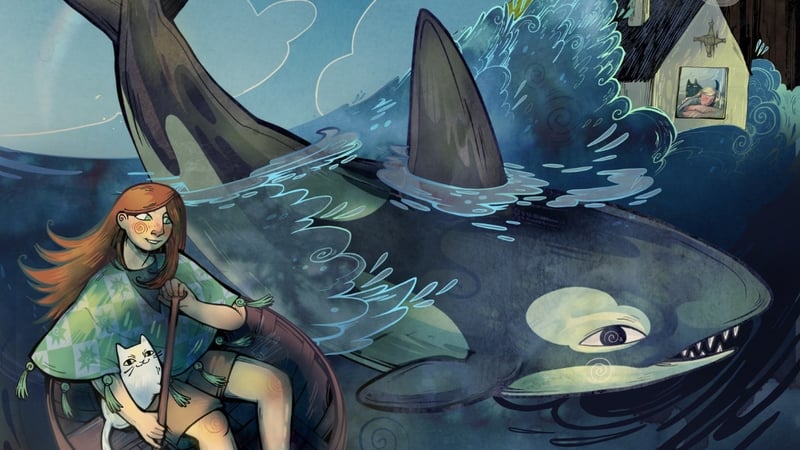

Analysis: Medieval Gaelic writers provided advice and guidance on topics like wealth, love and drink in the form of witty dánfhocail
By Aidan Doyle and Ken Ó Donnchú, UCC
Nowadays, when we need advice and counselling, we tend to seek it either from professionals or in books which come under the heading of Self-help and Spirituality. But 700 years ago, aid of this sort was not available to the average inhabitant of Ireland. Instead, there was a long tradition in medieval Gaelic of transmitting advice in the form of short epigrams, usually in verse, which could be memorised by readers and listeners.
Just over a hundred years ago the scholar T.F. O'Rahilly compiled a collection of such verses, which he called Dánfhocail ('epigrams’). The categories include Generosity and stinginess, Wealth and poverty, Silence and speech, Women and love, Youth and old age, The clergy, and Drink.
For most readers nowadays, the meaning of these epigrams isn’t always easy to decipher, and O’Rahilly didn’t translate the verses in Dánfhocail. The present writers felt this was something that needed to be rectified. Here are some examples of these epigrams.
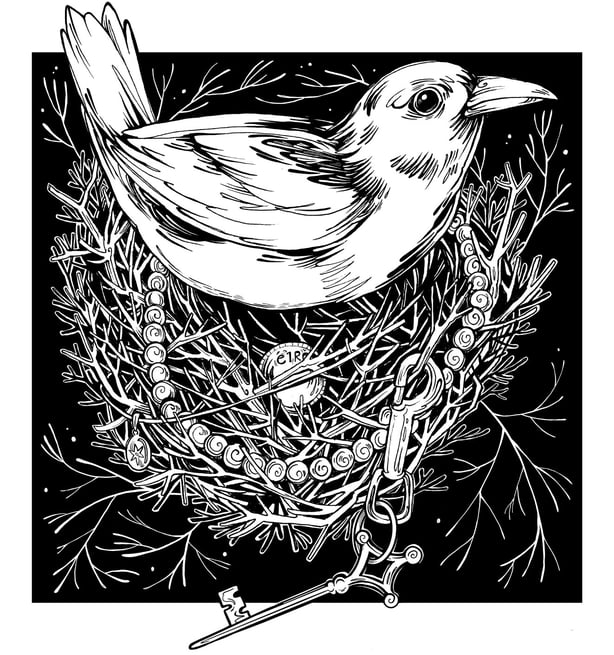
Money has always been a perennial source of worry, and not surprisingly, our medieval forebears were not short of advice concerning the disposal of wealth:
Caith an mhaith atá id láimh,
Is cuir amáireach ar cairde;
Muna gcaithe tú an saoghal,
Ataoi i mbaoghal a fhágtha.
Consume the goods you have in hand
And put tomorrow on hold,
If you don’t consume what’s of this world
You’re in danger of parting with it.
This is probably not the kind of financial advice that a present-day government would endorse, but it is very prevalent in medieval literature all over Europe.
Another poem contains a wry comment on the mismatch between words and deeds:
I dtigh duine eile ag ól
Bhainfeadh sé sail mhór do bhéim;
‘S ní bhainfeadh sé an t-earball de chat
Ar shail ina thigh féin.
When drinking in somebody else’s house
He’d cut a great beam with one blow;
And he wouldn’t cut the tail off a cat
On the beam in his own house.
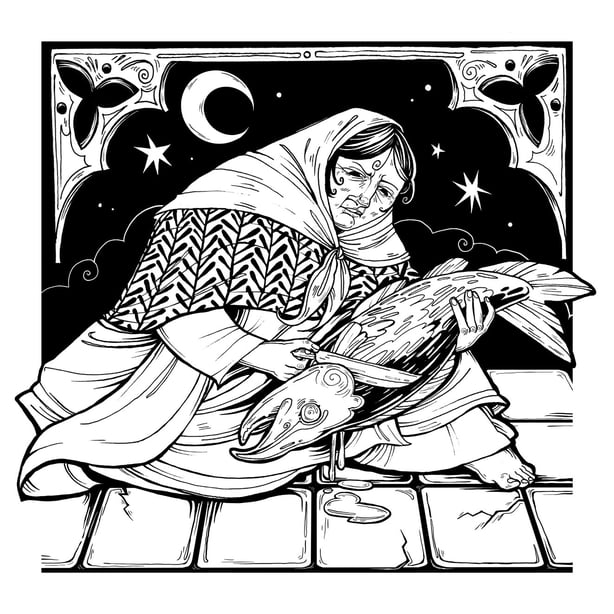
Then as now, the subject of love was a popular one. As is common in medieval literature, the perspective is largely that of the male:
Is mairg atá mar atáim,
‘S is mairg do-bheir grádh leamh;
Is mairg do bhíos gan mhnaoi,
‘S is dá mhairg agá mbí bean.
I pity anyone like me,
And anyone who loves foolishly;
I pity anyone without a wife,
And I pity twice over anyone with a wife.
Modern readers will have little difficulty in dealing with the subject-matter in the three verses quoted above. But it would be misleading to think that all of these epigrams are carefree or frivolous. Christianity was central to the mindset of the composers of these verses and to their audience.
And unlike the kind of Celtic spirituality exemplified by our modern cult of Bridget the saint/goddess, this was a dark and uncompromising religion, where the fear of death and eternal damnation were ever present:
Ca ní is ro-bhuaine ná cré?
Ca ní is diombuaine ná í?
Gach ní dá mbeantar don chré,
Mar caittear, is cré do-ní.
What is more permanent than clay?
What is more impermanent than it?
Everything that is taken from clay,
When it is spent, becomes clay again.
And yet, despite the brevity and brutality of the medieval world, the overall impression we get reading these verses is that life was worth living. People took their pleasure where they could find it, and didn’t agonize too much over the meaning of it all. The last sample shows that one aspect of Irish society has remained constant down through the ages:
Is luaithe deoch ná sgéal,
Is duine mé ar a mbíonn tart;
Ní hé an sgéal fada is fearr,
Acht an sgéal gearr ar a mbí blas.
Drink comes before a story,
I’m a man who is always thirsty;
The long story is not the best,
But the short, pithy one.
The first line finds an echo in the modern Irish proverb: Is túisce deoch ná scéal (‘Drink first, then talk’. While this last verse perhaps comes more under the heading of self-medication than self-help, it does show that some things in this country just never change.
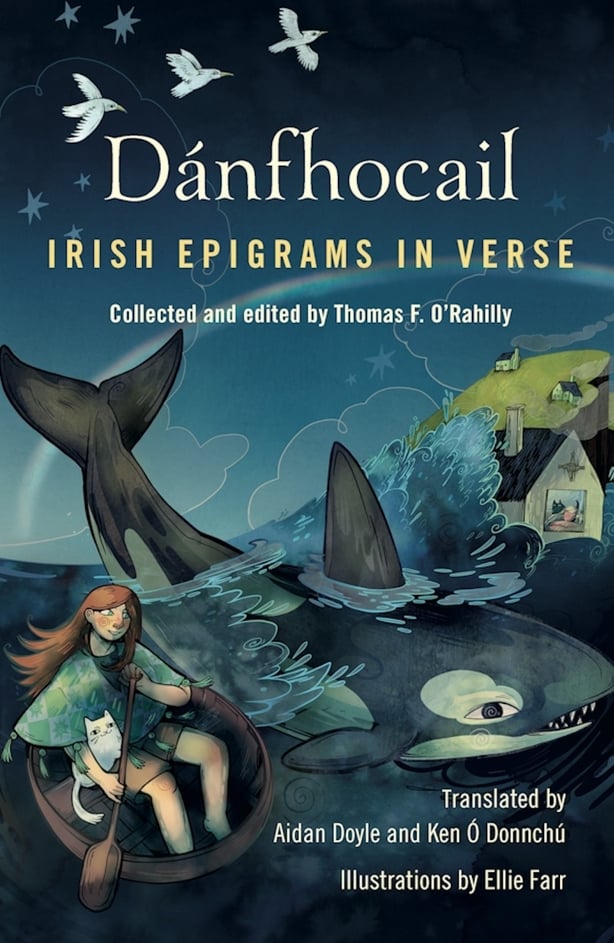
Dánfhocail: Irish epigrams in verse, edited by Thomas F. O'Rahilly, translated by Aidan Doyle and Ken Ó Donnchú and illutsrated by Ellie Farr, is published by Cork University Press
Follow RTÉ Brainstorm on WhatsApp and Instagram for more stories and updates
Dr Aidan Doyle is a lecturer in the Department of Modern Irish at UCC. Dr Ken Ó Donnchú is a lecturer in the Department of Modern Irish at UCC.
The views expressed here are those of the author and do not represent or reflect the views of RTÉ
