



Analysis: Ireland is one of the least "nature connected" nations in the world, but there are many cheap and simple ways to change this
By Emma Morrissey-Gleeson and John Morrissey, Mary Immaculate College
Ireland is one of the least "nature connected" nations in the world, according to a study published in the journal Ambio. In the study of 57,000 people, Ireland ranks 53rd out of 61 countries assessed. The study explored how both socio-ecological indicators and socio-political indicators were related to nature connectedness in different countries.
Other European countries such as Spain, the Netherlands, Germany and the UK showed comparable scores to Ireland. By contrast, countries such as Nepal, South Africa, Bangladesh and Nigeria were the most nature connected.
The study showed that macro-level influences interact to shape levels of nature connectedness, including ease of business, urbanisation and access to biodiversity. Undoubtedly, Ireland’s rapid economic progress and urbanisation in recent decades has been accompanied by an overall loss in our connection to the natural world. Our research work on climate change education shows why these results are cause for real concern, but we also know what the right responses are. Many of them are cheap, if not free, and are simple to do.
We need your consent to load this rte-player contentWe use rte-player to manage extra content that can set cookies on your device and collect data about your activity. Please review their details and accept them to load the content.Manage Preferences
From RTÉ Radio 1's Nature on One, a special exploration of the world of garden birds
Our studies show that building connection and enhancing student capacity to care about nature and climate change is an essential component of effective climate change education. Connectedness underpins our capacity to care about the wider web-of-life, before we can start to care for it. Nurturing emotional connections to nature from a young age is important in value formation, itself essential in developing a "willingness to act".
Outdoor learning in invaluable in achieving this. It encourages students to think of themselves - and humanity more broadly - as integrally part of nature, rather than as separate or distinct from it. Outdoor learning provides opportunities for connection, which in turn nurtures care.
As nature has become increasingly commoditized in advanced economies over the past decades, the educational priority of fostering a caring and loving relationship with nature has receded in importance. In Ireland, we have become progressively more strongly focused on literacy and numeracy, with a keen eye on the development of "employability-related skills".
From RTÉ Archives, Brian Finn reports for News2Day on 2005 on ideas from young people on how society can be made better with imaginative solutions
Furthermore, a culture of individualism and competition serves to intensify the disconnection of individuals from each other, from other people and other cultures, and from natural ecosystems. In the classroom, teachers face the pressures of an already overcrowded curriculum with little room to spend additional time in nature, or to discuss sustainability and climate change in meaningful ways.
Encouragingly however, the primary school teachers we spoke to for our ongoing research on climate change education recognise the value of connection to nature. Some of the responses we had were:
"There needs to be a huge emphasis on outdoor education and reconnecting pupils with the outdoors… it helps pupils relax and become mindful".
"The most valuable lesson that needs to be taught to children from a young age is that they are a part of nature, that 'nature' and 'humanity' are entangled and that if we hurt nature or our environment, we hurt ourselves".
Like sustainability in many facets of life, this can be easier said than done, with multiple competing demands on time and resources. The introduction of the recent Climate Action and Sustainable Development subject at leaving certificate is to be welcomed . But education on nature, climate and sustainability needs to be more central, more holistic and better integrated from the earliest stages of the primary school curriculum.
Ultimately, climate change education at all levels of education should integrate elements that nurture nature connectedness. Without sufficient exposure to natural spaces, people struggle to understand, value and protect nature.
Consequently, engaging with nature connectedness can help to develop a new generation of 'environmental stewards’. A strong sense of nature connectedness, along with spending time in nature, also positively impacts on wellbeing.
We need your consent to load this rte-player contentWe use rte-player to manage extra content that can set cookies on your device and collect data about your activity. Please review their details and accept them to load the content.Manage Preferences
From RTÉ Radio 1's Mooney Goes Wild, "biophilia" is used to describe the innate tendency of humans to connect with nature and National Botanic Gardens' guide Eoin O'Reilly has organised a tour with that very name
If you yourself do not ‘feel’ very connected to nature, just remember, you are nature! Ecologically, each of us can be considered to be like a single jigsaw piece in the bigger picture of the natural world, meaningful only in terms of that bigger picture and in terms of our contribution to it, and place within it.
Some simple strategies to reconnect with nature:
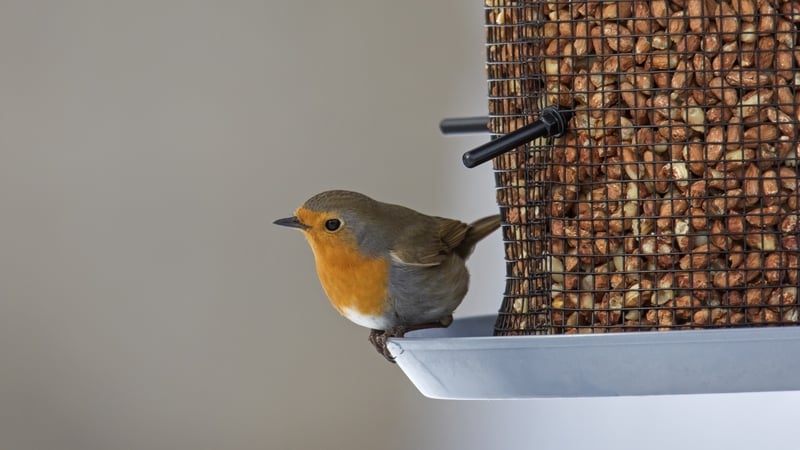
- Hang a bird feeder in the garden
- Plant flowering bulbs for the spring
- Curate a space for seasonal, natural displays in your porch, hallway or kitchen, such as autumn or winter wreaths
- Take a walk in a natural area such as woodland, coast or bogland habitat (leave the head phones at home!), taking note of the sights, sounds and smells
- Spend 5 minutes listening to the dawn chorus before the day begins.
Follow RTÉ Brainstorm on WhatsApp and Instagram for more stories and updates
Emma Morrissey-Gleeson is a departmental assistant in the Department of Geography at Mary Immaculate College. Dr John Morrissey is an Associate Professor in the Department of Geography at Mary Immaculate College
The views expressed here are those of the author and do not represent or reflect the views of RTÉ
