




Analysis: The difference for children between 'baby jail' and feeling heard often comes down to how adults respond to active child participation
Young children live in a world almost entirely designed by adults. From what time they eat to what they wear, most children's daily decisions are made by adults. Adults frame this as care, safety and structure, but for children, this also communicates something else: who holds the power, whose voice matters, and whether children can have a say in their own lives.
For my research, I worked with 22 children aged two-and-a-half to five years in a degree-led, fully TUSLA-compliant preschool to explore how they participated in everyday preschool life. The children wore head-mounted GoPro cameras to record their daily experiences and took part in weekly video recall conversations.
In one discussion, I asked what preschool was like. A three-year-old boy shouted 'it's like a baby jail!" This comment stayed with me, not because preschool is a prison, but because it revealed how children experienced their rights in a high-quality early childhood setting.
We need your consent to load this rte-player contentWe use rte-player to manage extra content that can set cookies on your device and collect data about your activity. Please review their details and accept them to load the content.Manage Preferences
From RTÉ Radio 1's Oliver Callan, play therapist Reg Igoe talks about how children can navigate anxiety through play
My findings identified where children's rights could have been more recognised and understood by adults. For instance, when a child wanted to play alone but was told "no, sharing is caring," the child’s attempt to assert their personal boundary was overlooked. When children’s requests for food were met with "no, it’s not snacktime", children learn that responding to their own hunger requires adult approval. Being made to wear a coat despite saying they felt too warm signals to children that adult rules are prioritised over children’s understanding of their own bodies.
Painting also became an exercise in compliance rather than choice when children were expected to produce art in a certain way despite having no interest. When children ran indoors and were told to "freeze," use "walking feet," or "turn on your listening ears," their bodies were treated as a problem, and for some, being asked to sit for a jigsaw immediately afterward did not teach self-regulation but overlooked their physical needs.
For adults, these practices are necessary to keep children safe, prevent accidents, and maintain smooth daily routines, both in preschools and at home, where adults manage activities, meals, and ensure children’s safety. However, these moments have a profound impact on children, shaping how they see themselves in relation to adults, whether they can trust their bodies, have their feelings taken seriously, and have their voices acknowledged.
We need your consent to load this rte-player contentWe use rte-player to manage extra content that can set cookies on your device and collect data about your activity. Please review their details and accept them to load the content.Manage Preferences
From RTÉ Brainstorm, how 'risky play' is good for kids
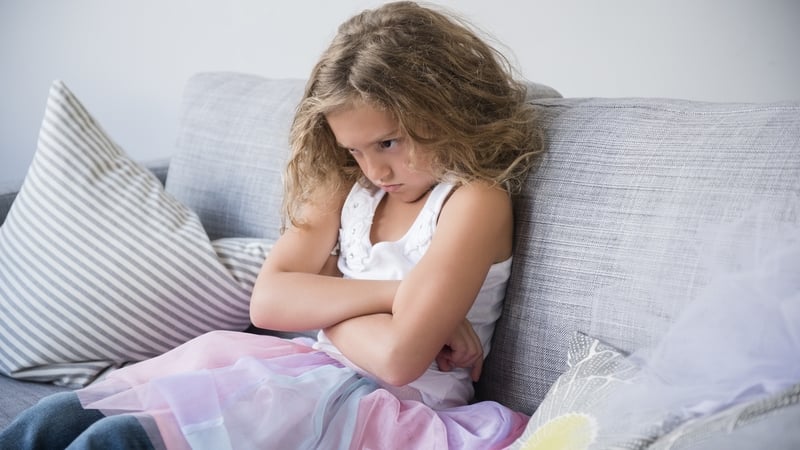
For example, children found alternative ways to express themselves when their voices were invalidated. This looked like clenched fists, tapping feet, turning away, withdrawing, or going silent. These were not acts of defiance or misbehaviour. They reflected children’s efforts to assert agency in situations where they had little control over their daily experiences.
For young children, the difference between feeling like you’re in a 'baby jail’ and feeling valued, respected, and heard often comes down to how adults respond to active child participation. The latter is not simply complying or following adult instructions. Sometimes children will say no and disagree with adults. It is vital for adults to recognise that when children have a different opinion or way of doing things, it is not an attack on adult authority. It is children exercising their right to actively shape their own experiences. Therefore, while these decisions may seem minor to adults, for children, they signal whether their rights under the United Nations Convention on the Rights of the Child are upheld or denied.
By involving children in daily decisions about their clothing, play, or physical movement, adults show that children’s rights matter. The key is helping children make informed decisions about which expectations are essential and which can be adapted, while still maintaining care and safety.
We need your consent to load this rte-player contentWe use rte-player to manage extra content that can set cookies on your device and collect data about your activity. Please review their details and accept them to load the content.Manage Preferences
From RTÉ Radio 1's Today with Sean O'Rourke, psychologist Dr Lea Waters discusses the 'strength parenting' approach which focuses on the positives.
When children have the space to make decisions with adults, everyday interactions become less about a battle of wills. For example, rather than insisting that children wear a coat, adults can invite children to step outside, notice how their bodies feel, and decide for themselves whether they need a coat, while explaining when wearing one is necessary due to certain weather conditions.
Instead of set snacktimes, foods like fruit can be made freely available so children can eat when they are hungry, with shared understanding on what food is available and where it can be eaten. If a child does not want to paint, alternatives such as drawing, building blocks, or storytelling can be offered; and if they do want to paint, children can create in whatever way they choose without adult direction.
When children run indoors, adults can acknowledge their need for movement with a short dance break or by guiding them to a space for physical activity, rather than immediately asking them to sit for a sedentary task.
So when a three-year-old says they feel like preschool is "like a baby jail," it is not a literal accusation, but an emotional truth of how restricted their day can feel to them when they have limited influence over their experiences.
Adults can turn these missed moments into opportunities for rights-based connection through negotiating everyday rules with children.
Such small shifts do not undermine adult responsibilities for ensuring child safety or structure, but they help children recognise their own decision-making power in matters that affect them.
In doing so, shared spaces between adults and children, such as homes, schools, playgrounds, and community settings, become environments where children feel valued, respected, and truly heard everyday. It is here that the "baby jail" experience can be unlocked and children can continue to shape their daily lives as independent rights-holders supported by caring and responsive adults.
Follow RTÉ Brainstorm on WhatsApp and Instagram for more stories and updates
The views expressed here are those of the author and do not represent or reflect the views of RTÉ
