

Analysis: Residents around Mexico City's Azteca Stadium are unhappy about the impact the World Cup tournament will have on their community
The 2026 World Cup kicks off in June and has already been the subject of controversies. These include elevated ticket pricing and FIFA’s alleged breaching of its own political neutrality rules at the final draw for the expanded 48-team tournament.
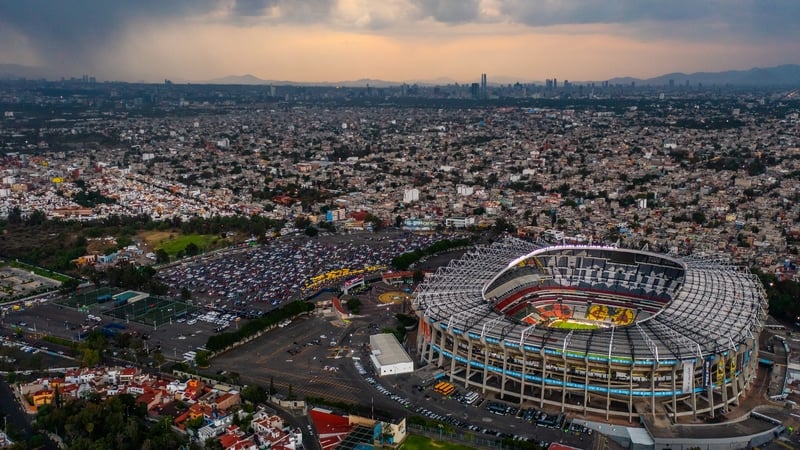
Comparatively, the role of Mexico, co-host along with the United States and Canada, has received little attention. While the bulk of the tournament’s games will be played on US soil, Mexico will host 13 games, including the opening match, which will take place at Mexico City’s Azteca Stadium. The stadium precinct is currently undergoing major renovations in advance of the tournament. However, this has fuelled anger among those living in the surrounding area, who have been voicing their disquiet about disruptions to water supply, rising costs and gentrification.
From AP, renovations to modernise the iconic Azteca Stadium in Mexico City for the 2026 World Cup are well underway, but local residents are raising concerns about rising costs of living during the construction boom
The Azteca is located in the city's southern borough of Coyoacán and is Latin America’s largest stadium. It is the fabled venue where Maradona ran rings around England in at the World Cup in 1986 and where Pele won the tournament for the third time with Brazil in 1970. When Mexico and South Africa face one another on 11 June, the stadium (which has been officially renamed as the Banorte Stadium due to sponsorship needed to fund its current remodelling) will become the first on the planet to have hosted three World Cup opening games. Should Ireland qualify, the stadium will feature the boys in green in their final Group A match against Mexico on 24 June.
But visitors to the area around the stadium may be struck by the presence of graffiti and posters conveying dissatisfaction with the upcoming tournament, with slogans such as 'El fútbol es del pueblo' (‘Football belongs to the people’) and ‘Juegan sucio en el mundial del despojo’ (‘They’re playing dirty in the World Cup of pillaging’). Over the past few years, growing numbers of local residents have been staging protests to highlight the negative impact of the stadium’s renovation project, and their campaign is gaining increasing traction nationally and internationally.
From CBC's The National, Jorge Barrera talks to people in Mexico City's Santa Úrsula Coapa who fear the 2026 World Cup will put even more pressure on water supplies
Around 200,000 people live in the vicinity of the Azteca, which is adjacent to the historically working class neighbourhood of Santa Úrsula Coapa and water lies at the heart of residents' concern. In 2019, media conglomerate Televisa, that part-owns the stadium, secured a concession granting it exclusive access to a nearby water well. Locals and community groups say that the move was illegal and that subsequent over-exploitation of the well has led to an increase in disruptions to the local water supply, and are calling for the authorities to take action.
Water is a pressing issue in Mexico City, where approximately 50% of the city's water comes from underground aquifers. Climate change and degraded infrastructure combined with the growing needs of the city’s almost 22 million inhabitants means that some neighbourhoods experience regular shortages, with poorer areas being the worst affected. Televisa’s activities in Santa Úrsula Coapa therefore puts additional strain on an already scarce resource.
In some ways, the roots of the dispute can be traced back to 1962 when the government expropriated communal lands to make way for the construction of the stadium, which was completed in 1966 in time for the 1968 Olympic Games. The destruction of homes that took place to make way for progress then is being echoed in certain aspects of the present-day project to upgrade the Azteca.
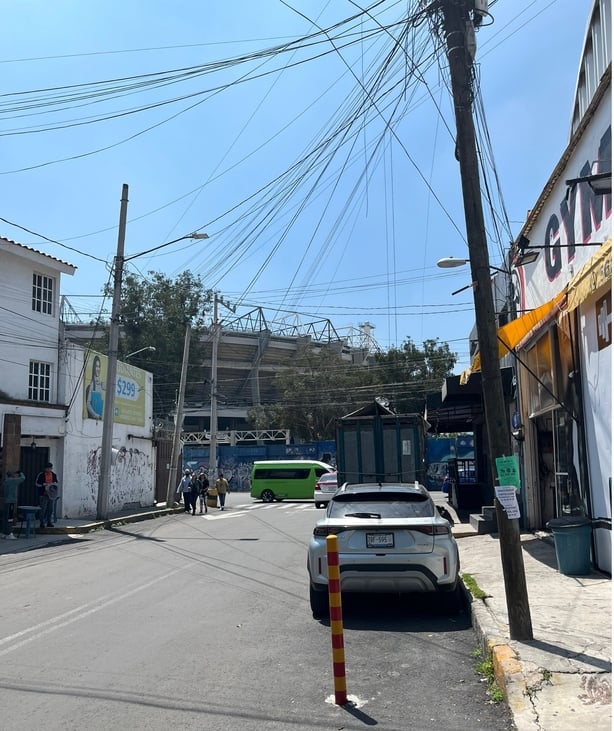
The renovated stadium complex will eventually include shopping malls and other leisure facilities, bringing with it the prospect of intensified gentrification, another hot topic in Mexico City, which has become an extremely popular destination for tourists and digital nomads. In anticipation of the World Cup, gentrification has spread to the Azteca’s environs, where property speculation has gone into overdrive and developments intended for the short-term rental market have begun to sprout up.
While some may stand to benefit from elevated prices in Santa Úrsula Coapa, locals maintain that they are being priced out of living in the area and that the fabric of the community is under threat. Sadly, the feeling that locals are being excluded extends to the World Cup tournament itself, with reports that overpriced tickets have been virtually impossible to obtain.
The residents of Santa Úrsula Coapa are determined that their voices will be heard
Mexico is not the only host country where flashpoints between locals and organisers have occurred in recent years. Similar stories emerged at the time of the London Olympics in 2012 and the Brazil World Cup in 2014, for instance.
The idea that so-called sporting 'mega-events' provide an unmitigated boon to local economies has become increasingly difficult to sustain. Research by sports economist Andrew Zimbalist found that the cost of hosting tends to be underestimated and that the long-term economic benefits are questionable. The Mexican government is of the view that the World Cup will be beneficial to the country (and has invested a considerable sum in making it a success), but the Mexican economist Gabriel Delgado Toral argues that any benefits will be ‘fleeting.’ In any event, the residents of Santa Úrsula Coapa are determined that their voices will be heard.
Follow RTÉ Brainstorm on WhatsApp and Instagram for more stories and updates
The views expressed here are those of the author and do not represent or reflect the views of RTÉ