


Analysis: While winter weather, short days and long nights can make leaving your home feel like a struggle, nature makes it all worthwhile
By Tom Oliver, University of Reading
Even in winter, when long dark nights can amplify feelings of loneliness, spending time with nature may elicit awe and wonder that brings important wellness benefits. While the winter chill can make stepping outside feel like a struggle, it's worth it.
Connecting with nature makes us happier, less likely to suffer anxiety, and more likely to care for the natural world around us. So here are some tips for engaging with nature this winter, and enjoying some spectacular sights not far from home.
Awakening butterflies
Slanting winter sunlight can be surprisingly warm on your upturned face, so try to schedule your outdoors time to coincide with winter sun. The best time to get out is mid-morning, when the light is brightest.
We need your consent to load this rte-player contentWe use rte-player to manage extra content that can set cookies on your device and collect data about your activity. Please review their details and accept them to load the content.Manage Preferences
From RTÉ Radio 1's Mooney Goes Wild, a report from Harper's Island Wetlands Nature Reserve in Co Cork with a close-up look at the remarkable world of wintering wetland birds
On unusually warm days, you might see red admiral butterflies temporarily awakening from their overwintering dormancy – even in early January. On cold days, they are often nestled in tree cavities and caves, or tucked away in garden sheds.
Lakes alive with wildlife
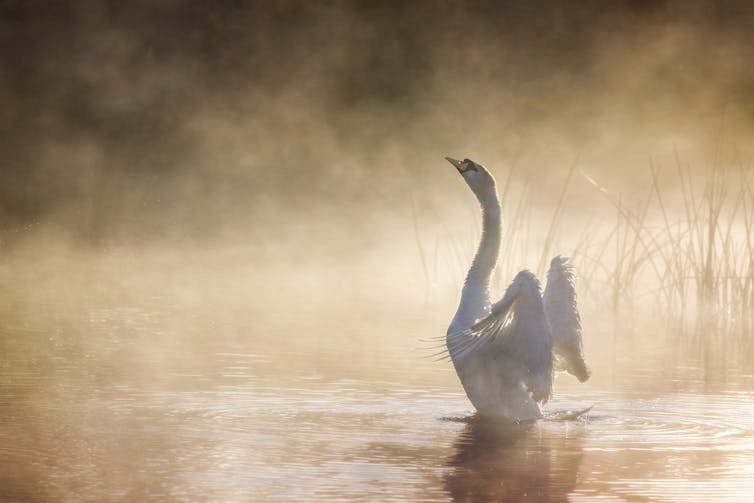
Rivers, ponds and streams tend to have less human visitors in the cold of wintertime, meaning less disruption to wildlife. Early morning is a good time to catch swans on icy lakes, gliding silently out of the mist. Many other water birds, such as mallard ducks and great-crested grebes, as well as fish including perch, roach and grayling, are also active throughout the year.
The joy of clear, frosty mornings
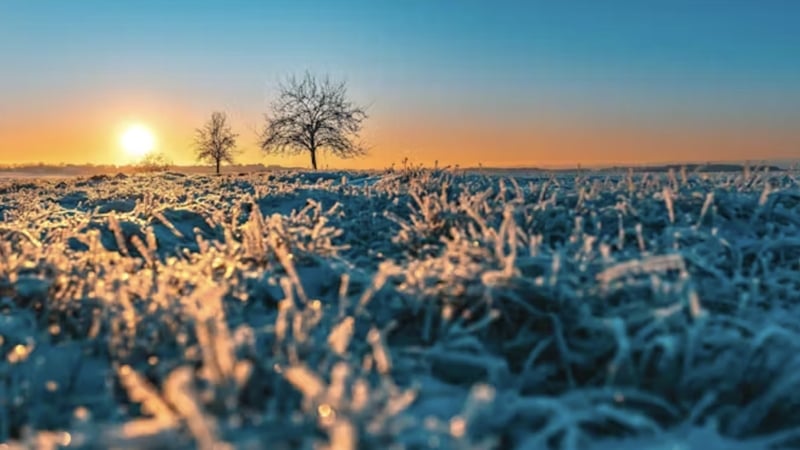
There's almost nothing more clarifying for the mind than the satisfying crunch of ice crystals under foot, and landscapes transformed into astonishing whiteness. The geometrical patterns of ice crystals on frozen puddles, ponds and even car windscreens are a spectacle to behold.
Try gently using the tip of your finger to topple miniature towers of hoar frost that decorate the surfaces of plants. It's another quiet joy.
Bountiful berries
Bright red hawthorn berries are particularly bountiful this year, providing food for voles, dormice and birds. And look out for the glistening white berries of mistletoe, a plant whose roots penetrate the high-up branches of broad-leaved trees.
Beautiful birds
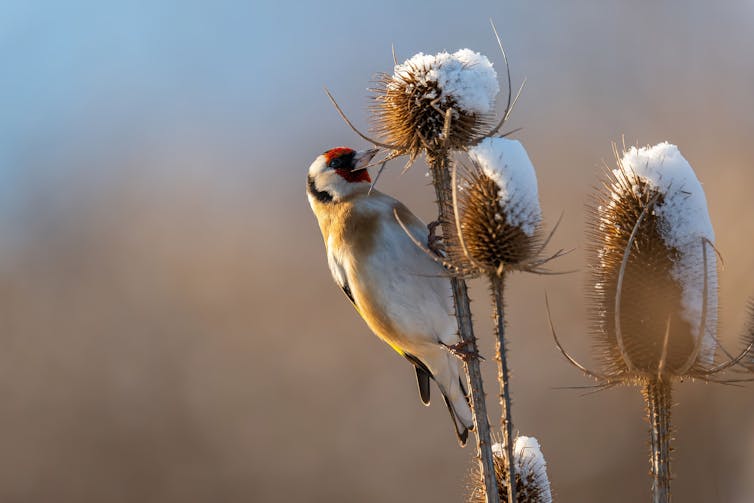
In an open field, stand still, look up, and you might see murmurations of starlings wheeling in the sky. Meanwhile, the tiny hardy birds – goldfinches, goldcrests, bluetits and chaffinches – that stay at home all winter provide a rejuvenating soundscape in the hedgerows.
Satisfy all your senses
In humans, visual perception dominates – but with practice, we can make better use of all our senses for a richer experience. Note the acrid smell telling where a fox has marked its territory, and the sharp scent of woodsmoke from cottages – their homely lights winking on as dusk settles.
Or listen carefully to the chirrup of a watchful robin, or the busy chatter of sparrows in hedgerows. Notice the satisfying clatter that a woodpigeon's wings make as it takes flight, and the raucous cawing of crows socialising high up in the trees.
To best experience nature, we need to learn how to cultivate an intense attention to our surroundings. One approach is to focus on just a small part of a winter scene, savouring the textures and colours. Then, gradually, expand the lens of your perception to a wider area. Take some deep breaths absorbing the sounds and smells.
We need your consent to load this rte-player contentWe use rte-player to manage extra content that can set cookies on your device and collect data about your activity. Please review their details and accept them to load the content.Manage Preferences
From RTÉ Radio 1's Today with Claire Byrne, why you shouldn't clean up leaves this winter
Take time to reconnect (in the right clothes)
We humans are part of nature, after all, which is why it feels so restorative to drop our busyness for a while and reconnect.
Taking sufficient time outdoors each day to engage with nature – it need not be long, just a few moments in a day – also helps us carry back that joy to our friends and family.
One final tip: wear the right clothes. With a warm coat and good boots, you can revel in flooded fields and muddy paths, and laugh while getting damp from raindrops in woodlands – before returning to enjoy the cosy indoors even more.
Follow RTÉ Brainstorm on WhatsApp and Instagram for more stories and updates
Tom Oliver is Professor of Applied Ecology at the University of Reading. This article was originally published by The Conversation.
The views expressed here are those of the author and do not represent or reflect the views of RTÉ
