

Analysis: It's not a simple yes-or-no question as coaches must consider overall goals, player ages and the specific demands of the sport
On a recent episode of his sports coaching podcast, former Kerry footballer and Tralee Tigers basketball player Mike Quirke posed a question that resonates across youth sport: should every child get equal playing time during games? In the short episode, Quirke simply asked the question and invited answers rather than offering his own position.
In particular, he did an excellent job of emphasising that this is a more complex question than it might first appear. For example, does the age of the child matter when deciding upon an answer? What about the strength of the opposition? The skill level of the child?
If one child attends every training session and works on their game at home, and another child only makes half of training sessions, should they get equal playing time? What if the second child only makes half the training sessions because they are committed to another sport rather than having limited interest in first sport right now? Does the reason why a child misses training make a difference to how many minutes they should get to play?
Although discussions of fair allocation of playing time are present across sports and countries, the topic has received limited attention from sport scientists. One notable exception is an investigation into the effects of England Rugby's introduction of a 'half game rule’ where "all clubs, teams, schools and colleges must ensure that each player selected in every match day squad plays at least half of the available playing time".
Reseachers surveyed male players between 11 and 16 years of age and found that players experiencing more playing time also reported higher levels of enjoyment and generally reported better intentions to continue playing rugby. As the report succinctly concluded, 'play more, enjoy more, keep playing; rugby is a simple game'.
We need your consent to load this rte-player contentWe use rte-player to manage extra content that can set cookies on your device and collect data about your activity. Please review their details and accept them to load the content.Manage Preferences
From RTÉ Radio 1's News At One, how athletes like Kellie Harrington inspire kids to play sports
Unfortunately, few studies have investigated just what coaches and organisations should do. The complexity of the issue means that it is not reasonable to expect a universal answer, but here are three considerations for coaches and teams to consider to guide their decision making in relation to playing time.
Base your decisions on the realities of athlete development
How well an eight-year-old performs in a game of football or in an athletic contest tells us relatively little about how well they will perform as a 12-year-old or a 20-year-old. Differences in how much they play with siblings and parents, whether they are amongst the relatively oldest or youngest in their cohort, and whether they have access to a safe space to play such as a back garden strongly influence their immediate performance – and may disguise their long-term potential.
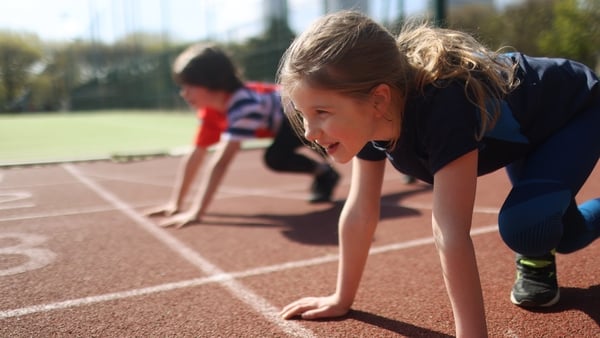
This means the decision to award different amounts of playing time to young children based on their current performance level is unlikely to be a productive strategy for the long term. Such a strategy disadvantages many young players who could develop into enthusiastic and skilful athletes if they receive sufficient exposure to game play. At the youngest ages, providing as much game time as possible for as many players as possible is likely to lead to the healthiest playing population for a club or school in the years to come.
How an eight-year-old performs in a game of football tells us relatively little about how well they will perform as a 12-year-old or a 20-year-old
Learn from aircraft pilots by having a Quick Reference Handbook
A gradual transition from a participation focus – where all children have equal access to game time – to a performance focus – which focuses more on competition and earning playing time – is a normal part of sport. The key is to manage this transition, both in terms of designing a gradual series of changes and communicating these changes appropriately to players, parents and coaches.
On this topic, sports coaching can learn from aircraft pilots, who can expect to meet many challenges over the course of their career, such as an engine fire or landing gear issues. To assist them in dealing with these challenges, each cockpit contains a Quick Reference Handbook which details the steps they should take to resolve the issue based on the distilled experience of previous pilots.
One of the advantages of this handbook is that pilots can focus their attention on the immediate situation and the quality of their communication rather than on deciding what to do and how to do it. For sports coaches, a Quick Reference Handbook – commonly termed a Coach’s Code of Conduct – that details the agreed policy when dealing with playing time (and similar concerns) provides clarity for all parties and support for the coach.
READ: How coaches can create great environments for young Gaelic games' players
For both pilots and sports coaches, the Quick Reference Handbook should be a living document, constantly updated in light of new developments. For example, on reviewing the year, coaches from a particular age group might note that an exception to the playing time rule might be needed for certain specialist positions such as goalkeeper. A clarification to the handbook can be proposed at the club’s Annual General Meeting and – if approved – incorporated for the coming season.
Support coaches with the challenges any policy brings
It is not enough for organisations to mandate rules for sports coaches to follow and support must be ideally put in place to deal with the inevitable challenges that such rules bring. For example, when implementing equal playing time for all players, how do you make it work with a big squad? How do you support new or less skilled players? How do you ensure that games do not become one sided? How do you deal with issues relating to varying levels of player commitment?
When implementing equal playing time for all players, how do you make it work with a big squad?
A great example of an organisation providing support specifically relating to game time is provided by England rugby. They posted a series of commonly asked questions and strategies that coaches can employ in relation to giving all players equal game time. Such support helps coaches to communicate the rationale behind the organisation’s game time policy. In addition, it can encourage coaches to reflect on how they interact with players on the sideline so that they are making the most of all opportunities to help players develop game understanding and life skills.
Equal playing time is not a simple yes-or-no question. Coaches and organisations must consider their overall goals, player ages and interests, and the specific demands of the sport. The most sustainable approach? Adopt clear, evolving policies that are based on the reality of athlete development, prioritise participation in the early years, introduce performance considerations gradually, and support coaches with resources to address the specific challenges they face.
Follow RTÉ Brainstorm on WhatsApp and Instagram for more stories and updates
The views expressed here are those of the author and do not represent or reflect the views of RTÉ