



Analysis: No Irish research has been done yet to understand the complexities of living with both cancer and dementia
People are living longer than ever before. While this is a positive sign in terms of progress in healthcare and living standards, it also brings new challenges. As our population ages, more people are being diagnosed with serious health conditions such as cancer and dementia. Furthermore, there is a growing number of people who are now living with both cancer and dementia at the same time. This situation is quickly becoming a major health emergency.
By 2050, more than 30% of the population will be over the age of 65, over 131 million people worldwide will be living with dementia, and 35 million new cases of cancer will be diagnosed each year, signifying a 77% increase in cancer cases since 2022. With age being a major risk factor for both diseases, rates of comorbid cancer and dementia are growing. Yet, despite this development, very little research has been done to understand the complexities of living with both cancer and dementia. Moreover, no Irish research has been conducted on this issue.
Two serious illnesses, one overlooked problem
People living with either cancer or dementia face many significant difficulties. A cancer diagnosis is often followed by a range of treatments, hospital visits, and side effects, while dementia affects memory and cognitive function, presenting communication issues and difficulties completing daily living tasks. However, when faced with both conditions, these issues become even more complex, and unfortunately, most healthcare systems aren't well-equipped to manage the complexities of this co-morbidity.
We need your consent to load this rte-player contentWe use rte-player to manage extra content that can set cookies on your device and collect data about your activity. Please review their details and accept them to load the content.Manage Preferences
From RTÉ Radio 1's Oliver Callan, Mike Hanrahan of Stockton's Wing told Dermot about making music for dementia patients
Studies show that people with both cancer and dementia tend to have poorer health outcomes than people who have cancer alone despite higher engagement rates with healthcare services. In other words, they are using healthcare services but not getting the same quality of care. Why is this happening?
One key reason is that cancer and dementia services are separated. Healthcare professionals are specialised in one area, but not both. This means that healthcare professionals may not fully comprehend interactions between the two conditions or how best to treat someone dealing with both at the same time. Thus, potentially leading to inappropriate treatments that may help one condition while worsening the symptoms of the other.
Difficult decisions
Another major issue involves decisions about care. Due to cognitive impairments, people with dementia may struggle to understand their diagnoses, or to communicate how they feel. This makes it very difficult to make informed decisions about cancer treatment, which can be complex and involve weighing side effects against possible benefits. Sadly, this can lead to situations where patients either receive overly aggressive treatments that lower their quality of life, or don’t receive treatment at all.
The family
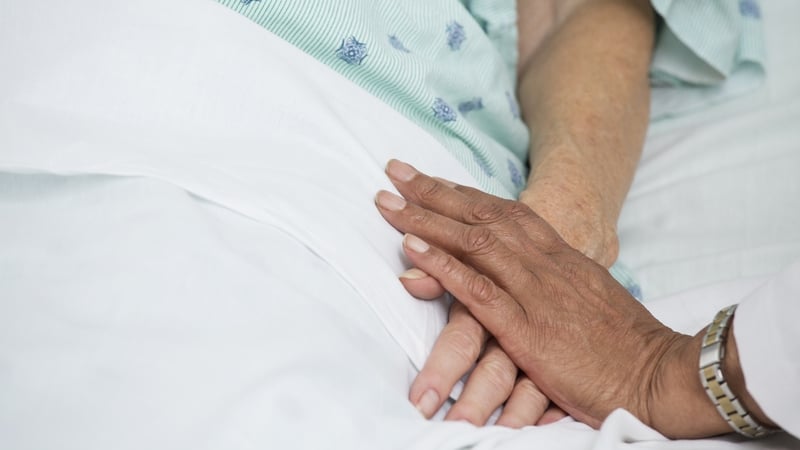
In many cases, family members end up being the main source of support for someone with both cancer and dementia. They attend appointments, ask questions, help with daily tasks, and oftentimes they must advocate for their relative and make important medical decisions on their behalf.
Read more: What's the effect of being a carer on the caregivers themselves?
These caregivers are often under immense stress, coping with both the emotional toll of seeing a loved one suffer and the practical demands of managing their care. Unfortunately, caregivers are frequently left to figure things out on their own. There is often little guidance or support from the healthcare system, and many feel overwhelmed, stressed, and exhausted.
What needs to change?
To address this growing crisis, several key changes are urgently needed in how we care for older adults. First, more research is essential to understand how cancer and dementia interact and to identify the most effective approaches to care, as current knowledge is limited. Second, healthcare services must move toward a multidisciplinary model where professionals work together to develop treatment plans that consider both conditions, rather than treating them in isolation. Third, families and caregivers need better support, including training, access to counselling, peer support groups, and regular contact with healthcare providers to help ease the strain of caregiving. Finally, policymakers must acknowledge this as a serious and growing health emergency, allocating proper funding and resources to create systems that can support people living with multiple long-term conditions.
We need your consent to load this rte-player contentWe use rte-player to manage extra content that can set cookies on your device and collect data about your activity. Please review their details and accept them to load the content.Manage Preferences
From RTÉ News, Ireland is becoming a world leader in early detection cancer research, according to Breakthrough Cancer Research
As we look ahead to a future where the aging population continues to grow, we must ask ourselves: are we ready to care for the people who will need us most? People with both cancer and dementia deserve to live their remaining years with dignity, comfort, and support, not confusion, neglect, or pain.
This isn’t just a medical issue, but a human one. By coming together, healthcare professionals, researchers, families, and communities can build a better system and society, one that sees the whole person, not just the disease.
If you are living with both cancer and dementia, or care for someone who is, you can take part in a confidential study to share your experiences and help improve support services. For more information, contact Jane Gaffey at jane.gaffey4@mail.dcu.ie or 0892163991.
This research is funded by the Irish Cancer Society.
Follow RTÉ Brainstorm on WhatsApp and Instagram for more stories and updates
The views expressed here are those of the author and do not represent or reflect the views of RTÉ
