


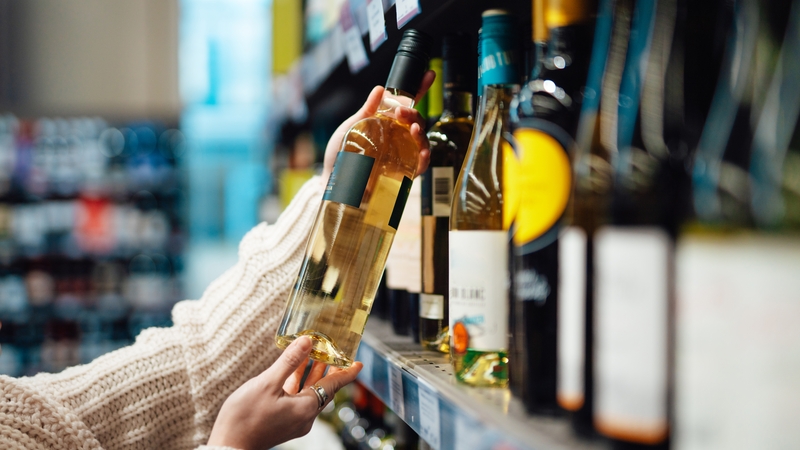
Analysis: The effect of a drink on your health depends on how much and how often you have it, as well as what else you're eating or drinking
By Ali Hill, Solent University
A few years ago, alcohol-free beers and wine were a rarity and what was available was pretty execrable. Today, the market is booming and you can order a pint of alcohol-free IPA, with all its rich hoppiness, or a glass of "de-alcoholised" merlot that actually tastes like wine, not jumped-up grape juice.
A drink can be classed as alcohol free if it has less than 0.5% ABV (alcohol by volume). This is considerably less than alcohol-containing versions (beer has about 4 to 5% and wine around 13%). Given the negative effect, alcohol can have on your health, particularly over the long term, alcohol-free beer and wine are certainly healthier options, but does that mean they're good for you?
We need your consent to load this rte-player contentWe use rte-player to manage extra content that can set cookies on your device and collect data about your activity. Please review their details and accept them to load the content.Manage Preferences
From RTÉ Radio 1's Drivetime, Olivia Farrelly of the No More Booze podcast and Cormac Healy of Drinks Ireland on the rise of non-alcoholic drinks
Not everyone is aware that alcoholic drinks contain calories. A standard glass of wine, for instance, has nearly as many calories as a jam doughnut, and that's just from the alcohol it contains. But how does a glass of alcoholic-free wine compare?
Free sugar
There are different sugars in the diet. One type we need to be careful of, and that we tend to have too much of, is "free sugar". This term is used to describe the sugar that is added to food or drink, or the type that's found in fruit juices, honey and syrup.
Health guidelines suggest that adults should get less than 5% of their daily calories from free sugars, which works out to about six or seven teaspoons of sugar. That should be the most you get from all the food and drink that you have on an average day.

A pint of alcohol-free lager contains one and a half teaspoons of free sugars – a quarter of your recommended maximum in just one glass. If you polish off a bottle of alcohol-free chardonnay over lunch, you've had eight teaspoons. And in some cases, that may even be more than its alcohol-containing alternative.
With soft drinks, as with alcohol-free beers and wine, the sugar content varies from product to product. A glass of lemonade contains about two teaspoons of free sugar, while the same amount of cola is nearer five. If you want to avoid sugar completely, you might prefer water or sugar-free versions of soft drinks.
We need your consent to load this rte-player contentWe use rte-player to manage extra content that can set cookies on your device and collect data about your activity. Please review their details and accept them to load the content.Manage Preferences
From RTÉ Brainstorm, is it possible to create a healthy, tasty beer with no alcohol?
In Ireland, the Government introduced a sugar tax in 2018. In the UK, Public Health England challenged the food and drink industry to reduce the sugar content of their products by 20% before 2020. As a result, the average sugar content of these drinks has decreased by 28% as manufacturers look to reformulate their products to make them healthier. But some drinks, such as milkshakes, fruit juices and smoothies, aren't affected by the levy – and neither are alcohol-free drinks.
Health cannot be quantified by any one aspect of nutrition. The sugar or calorie content of a drink you have doesn't necessarily make it, or you, unhealthy. The bigger picture of your life is more important than a snapshot. And t he role of a drink in your health depends on how much and how often you have it, as well as what else you're eating or drinking.
Follow RTÉ Brainstorm on WhatsApp and Instagram for more stories and updates
Ali Hill is Course Leader in Applied Human Nutrition at Solent University. This article was originally published by The Conversation.
The views expressed here are those of the author and do not represent or reflect the views of RTÉ
