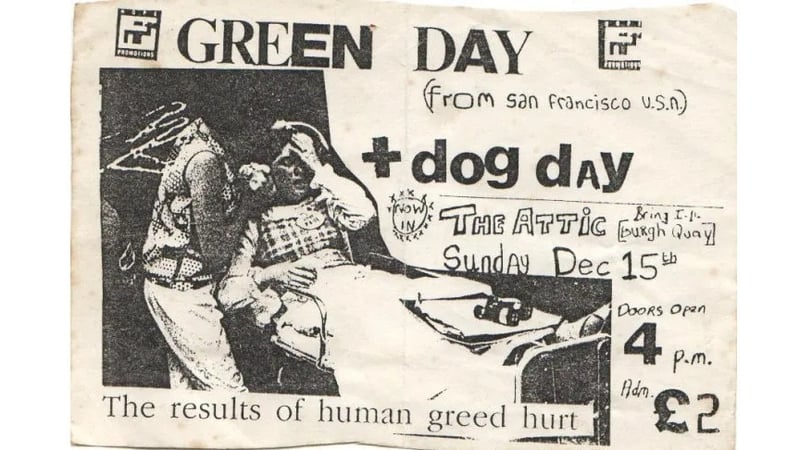

Analysis: The gig was organised by Hope Collective, music-loving youngsters whose not-for-profit collective helped up-and-coming, independent musicians
According to the music industry's official statistics, only 11 albums have outsold Green Day's Dookie in the United States. Released in 1994, Dookie has sold more than iconic albums including The Bodyguard soundtrack, Guns N' Roses’ Appetite for Destruction, Adele's 21, Alanis Morissette's Jagged Little Pill, Ed Sheeran's X, Bruce Springsteen's Born in the U.S.A. and even Bob Marley and the Wailers’ greatest hits collection Legend. That’s an astonishing achievement for an album that was named after a slang word for poo.
Green Day’s pop-punk sound was one element of a mass movement that took previously underground rock to the mainstream. Both Nirvana's blistering Nevermind and Pearl Jam’s imaginative rock debut Ten, were released in 1991. Arguably these two albums redefined rock music and they sold in huge quantities. (both have certified sales in excess of 13 million copies in the US). But Dookie has sold far more and has racked up over 20 million sales in the US to date.

It enjoyed similar success in other countries including Ireland. According to Larry Gogan’s chart site, it was certified as an eight times platinum album in 2005 which placed it alongside other large selling albums including Westlife's Face to Face and Mario Rosenstock's Gift Grub 6.
The success of Dookie had a lot to do with the marketing power of Warner Records, as well as the astute management of industry veterans Elliot Cahn and Jeff Saltzman. The band’s sales rocketed thanks to their global media attention-grabbing, messy, mud-slinging appearance at Woodstock in August 1994. By then the album had been out for six months and was number 20 on the US album chart. After the festival, it went Top 10, and it was still in the charts a year later, peaking at number two.
But the Californian trio were known to a small group of Irish music fans before the release of Dookie. In 1991, Green Day were a band of youngsters looking for opportunities to build their audience and their craft. In Dublin, they found a group of youngsters who were happy to help. These young gig promoters called themselves the Hope Collective.
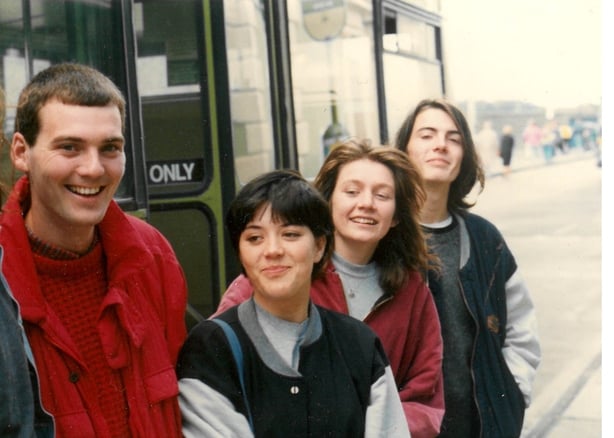
The music-loving youngsters had formed a not-for-profit collective to help do-it-yourself musicians on independent labels. Many of the concerts they organised were fundraisers for a variety of charities including the Rape Crisis Centre, the Stop Animal Experiments fund, the M.E. Association, the Vegetarian Society of Ireland and the Irish Society for the Prevention of Cruelty to Children.
In July 1985 they arranged a gig for Trócaire, the Irish Catholic Church's overseas development agency, in the staff hall for CIE bus workers on Dublin's Marlborough Street. The multi-band gathering ran over the scheduled time, and up-and-coming local indie band A House didn’t get to perform.
Although they were mostly teenagers, they were veterans of the Dublin music scene by 1991. They'd arranged visits to Ireland for bands including The Membranes, Fugazi, NoMeansNo, NOFX, Babes in Toyland and Quicksand. They had also staged Dublin gigs for the newly emerged Belfast melodic hardcore band, Therapy?
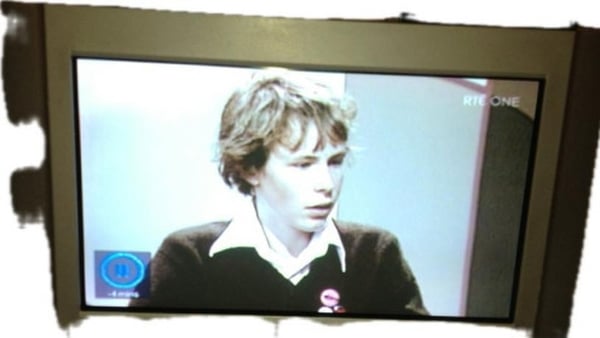
From Irish Left Archive, Niall McGuirk from the Hope Collective talks about the D.I.Y. philosophy and values underpinning the collective and the community it generated
Without a venue of their own, the young people in the Hope Collective made deals with an eclectic and varied range of venue owners. These included clubs run by veterans of the Irish music scene, a biker gang, the semi-state bus company, the Communist Party, local colleges and universities, as well as both the Church of Ireland and the Catholic Church.
Underground music scenes often find clever ways to forge links with similarly minded individuals elsewhere. The Hope Collective were part of a loose-knit network of gig promoters who were making it possible for new bands from the US to tour Europe. Often what was offered was meagre: home cooked vegetarian meals, a place to rest for the night (generally in a sleeping bag on someone’s floor), hand-to-hand distributed flyers that were sometimes handmade and quickly photocopied, and the uncertainty of knowing how many people would turn up for a gig in a new country or city.
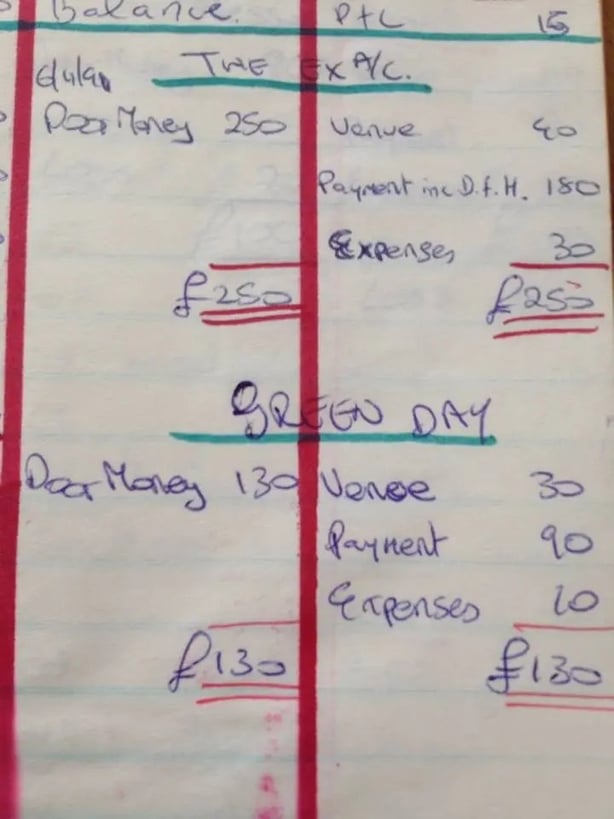
But for some of the bands this was exactly what they needed at that stage in their careers before major concert promoters or labels had the slightest interest in them. On 15 December 1991, ably supported by Dog Day, Green Day played in The Attic venue upstairs in the White House Inn on Dublin’s Burgh Quay. The Hope Collective accounts, kept in a copybook bought in a supermarket, indicate that just over 40 people came to the show. In addition to some manic pop-punk songs they got to see the band members drop their trousers and display their buttocks.
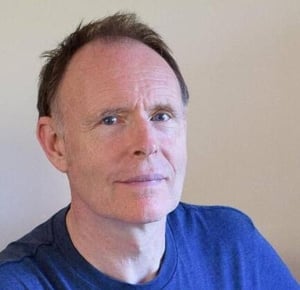
One of those in attendance was RTÉ Brainstorm editor Jim Carroll, who attended many Hope Collective shows. "It was one in a series of Sunday afternoon fundraisers and I think this one was for M.E. Ireland. With so many Hope gigs in that pre-internet era, you knew a bit about the acts, but you trusted what Hope were doing so you wanted to see the bands they were putting on, both the international ones and the Irish ones.
"The Attic was a tiny space and it was still far from full that afternoon. The band sounded good and energetic, but no-one thought they were going onto sell millions of records and tickets. No-one was was thinking in those terms back then about the acts in that scene. In hindsight, though, it was two months after Nevermind was released and 1991 was the year that punk rock broke so things were quickly changing for that whole scene".
On their later trips to Ireland, Green Day have remembered the gig fondly and have even visited the site of the White Horse and posted photos of themselves outside it. They kept the original flyer for the gig, designed by the Hope Collective’s Niall McGuirk, which is a perfectly punky/diy anyone-can-do-it collage. They also borrowed his bass guitar for the gig.
It takes nothing but goodwill and some co-operative work to start a music scene.
Green Day’s singer/guitarist, Billie Joe Armstrong recalled the gig in a Hot Press interview. "It was in this tiny room above a bar, which even by the standards of the places we’d been playing in the States was a bit of a dive. Anyway, we were about to go on when somebody, the promoter I guess, told us: 'no one’s allowed to pogo or jump around ’cause if they do the floor’s going to collapse … It’s the first and last time I’ve told a crowd to ‘go fuckin’ crazy … but can you do it standing still please…’
It takes nothing but goodwill and some co-operative work to start a music scene. There’s no guarantee that the scene will grow or develop or become profitable. But, as the Hope Collective and Green Day shows, there’s no reason why a small scene can’t be one of the building blocks for a career that delivers millions of sales, and great gigs for hundreds of thousands of people.
Follow RTÉ Brainstorm on WhatsApp and Instagram for more stories and updates
The views expressed here are those of the author and do not represent or reflect the views of RTÉ