


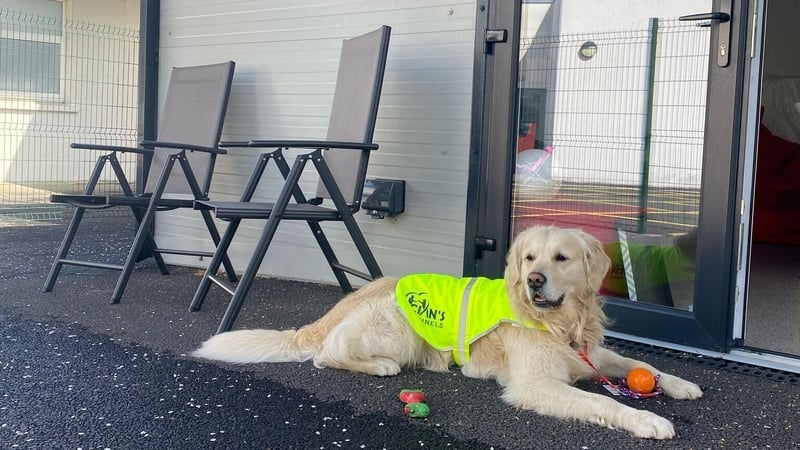

Analysis: The emotionality that accompanies spending time with your dog is what makes family pet therapy stand out from traditional therapy dogs
By Lorraine Boran, Neila McElfresh and Veronica Lambert, DCU
Animal-assisted therapy involves using specially trained animals, such as canines, and their handler, to improve physical and psychological wellbeing of patients of all ages undergoing surgery, treatment and recovery. It has now expanded to include the family pet and we are learning the benefits, as well as precautions to take, to achieve wellbeing for sick children and their families.
What is animal-assisted therapy?
Beyond the general comfort that animals provide, studies focusing on Animal Assisted Intervention (AAI) in hospitals have consistently revealed remarkable benefits. There is growing empirical evidence showing that trained animal-assisted therapists are highly beneficial to sick children, their families and their care team. A team reviewing eight studies using canine assisted therapists reported positive impacts on pain control and blood pressure management in hospitalised children.
From Happiest Health, what is animal-assisted therapy?
Enter the family pet
New anecdotal evidence suggests that the family pet dog can have therapeutic impacts as well. To incorporate a patient's family pet into animal-assisted therapy services may be a deeper, more meaningful approach to emotional support. It's a fundamentally unique approach to care, holistically addressing psychological, emotional, and family needs. Anecdotal testimonials have provided us with the starting point to consider that there is something really special and necessary about reconnecting child patients with their family pets.
Gina's daughter experienced an extended hospital stay, and was supported by Cian's Kennels, a charity based in Dublin, whose goal is to reconnect pediatric patients with their dogs through organised hospital visits. "I can't emphasise enough how crucial it is for the kids. There are all these materialistic things that you get. But when you're in that situation, you don't need material things. You need a connection to home. You need to feel safe. You need to be held. You need to just feel that something's going all right, and to see your dog".
Currently, this form of therapy largely relies on anecdotal testimonials, with less formal evidence to support its widespread adoption. As a concept, using a family pet instead of a trained therapy dog is still quite novel. While there are already emerging family pet therapy programs internationally, there is a need to co-design research with patients, their families and care teams, to build an evidence base quantifying the impact of these programs. This is what our team of researchers from DCU is aiming to do in collaboration with Cian's Kennels.
From RTÉ News, Sinéad Hussey reports on Cian's Kennels
What do Cian's Kennels do?
Cian's Kennels was founded in March of 2020 by Evelyn and Enda Neary in memory of their 15-year-old son, Cian, who was diagnosed with hepatosplenic T cell lymphoma, and sadly lost his battle for life on 23 September 2019. While receiving hospital treatment, Cian found joy and happiness with his labrador Cooper, and Cian’s Kennels has been pioneering this mission for all sick children in Ireland—to support families and patients of pediatric cancer by bringing family pets from their homes to the hospital. They coordinate safety protocols, transportation and other logistical obstacles at zero cost and in a hassle-free way, making the process both enjoyable and effortless for families.
Laura's son first first started using Cian's Kennels service in 2023. "The best part of being in the hospital was having the dog in because we were all together as a family again, and if Cian's Kennels didn't exist, I don't know how we would have gotten through those initial two weeks."
The emotionality that accompanies spending time with your dog is what makes family pet therapy stand out in such an important way from traditional therapy dogs. Spending time with any animal is comforting, but spending time with your own dog is deeply personal and incredibly meaningful when you're going through the most difficult battle of your life.
When a child is hospitalised, the entire family unit experiences an unexpected shift from life as usual to suddenly spending most of their time in hospital
It's additionally important to acknowledge that a patient's arduous hospital journey poses significant psychological challenges for their family members as well. It is not easy to watch somebody you love in pain or receive treatment. When a child is hospitalised, the entire family unit experiences an unexpected shift from life as usual to suddenly spending most of their time in hospital. All sense of normality is replaced with new feelings of anxiety, worry, and loneliness. However, interactions with the family pet can mitigate some of those psychological outcomes.
"It's like this space where you can finally be as a family", says Gina. "There's something there that you all love very much, and you can concentrate on this other thing as opposed to, you know, the wires, the connections, the chemos, the vomiting, all the horrific things that we have to witness, that our child has to go through, and we have to witness."
Follow RTÉ Brainstorm on WhatsApp and Instagram for more stories and updates
Dr Lorraine Boran is associate professor of Psychology in the School of Psychology at DCU. Neila McElfresh in a Research Assistant in the School of Psychology at DCU. Prof Veronica Lambert is Full Professor of Children and Family Nursing/Health in the School of Nursing, Psychotherapy and Community Health at DCU.
The views expressed here are those of the author and do not represent or reflect the views of RTÉ
