


When does parent's and supporters' behaviour at children's sports activities become too much?
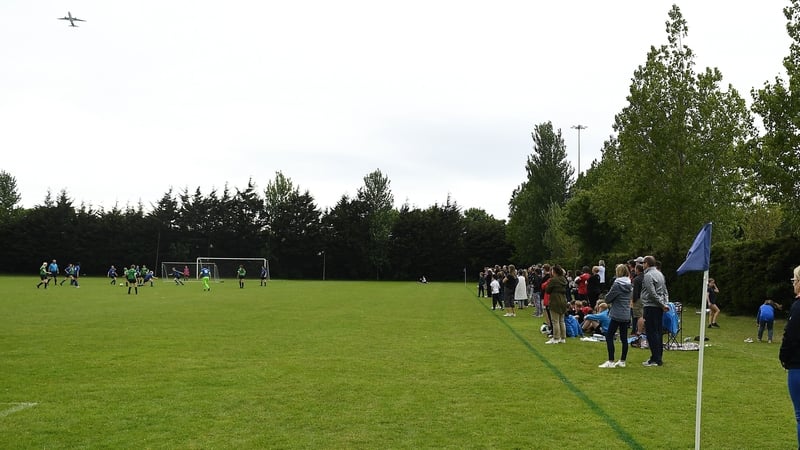
The Dublin and District Schoolboys' and Girls’ League (DDSL) has introduced monthly 'silent sidelines' after holding 250 disciplinary hearings last year - 94% of which involved coaches and others behaving poorly on the sidelines.
Zoe Poole, head of girls’ football at the DDSL, said the campaign may seem overzealous to some, but it has been in place in some form since 2024 in response to "unacceptable" behaviour coming from the side of the soccer pitch.
"The initiative was a brainchild of our board and then in the 2024-2025 season, it was launched to clubs.
"The reason this was launched for clubs was due to the unacceptable behaviour on sidelines at games for underage children," Poole said on RTÉ Radio 1’s Inside Sport.
The 'silent for all' initiative runs one weekend a month, encouraging clubs to group spectators together and keep comments, positive or negative, to themselves. The goal is cultural change that benefits young players on the pitch.
Poole acknowledged the challenges for clubs, both on regular weekends and during silent ones.
"We do very much recognise the challenges for our amazing clubs," she said.
"The clubs have been absolutely fantastic in buying into this, but unfortunately it's the small cohort that is ruining it for kids on the sideline."
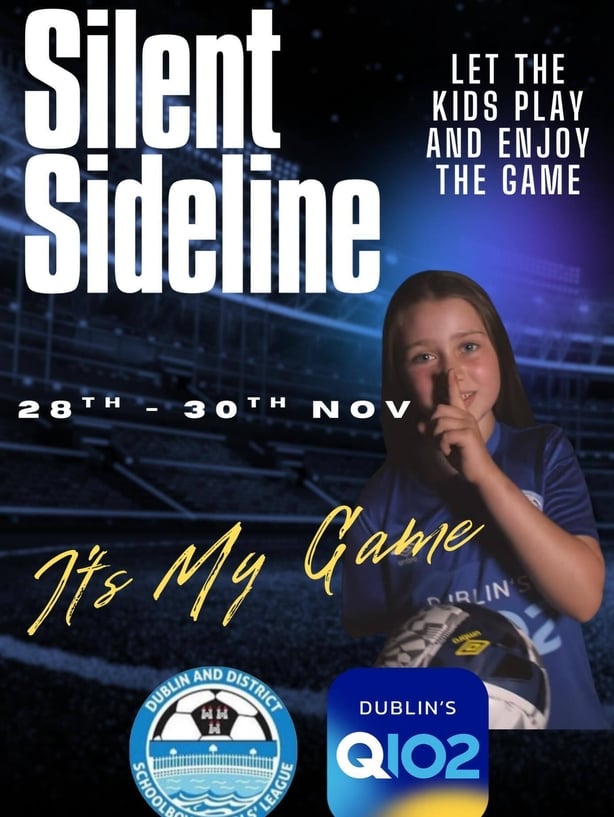
But why silence?
Parents who dedicate hours each week want to encourage their children, and standing quietly can feel unnatural.
Ultimately, Poole explained, it’s about the future of soccer and keeping children active.
She said: "We don't want to be seen as the fun police. We want to see kids out playing... whether it's playing tiddlywinks, whether it's playing football, kids need to remain active in their thing.
"It's also very much a social aspect of kids' development.
"We want kids to be leaders, to make their own decisions. People screaming and shouting at referees, they're human beings like the rest of us.
"We all make mistakes. Them screaming and shouting at referees is not going to change a referee's decision.
"It's setting a bad example for their kids... the small amount are ruining it for the rest of the spectators on the sideline."
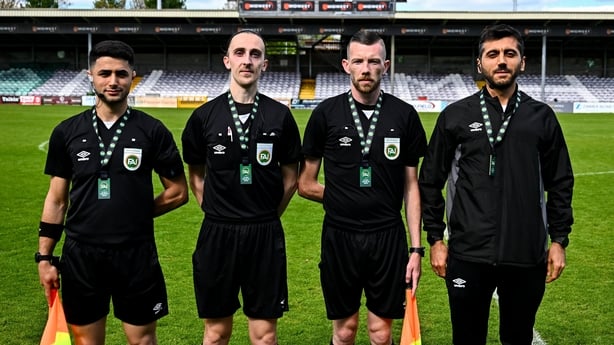
Coaches are also included in silent weekends, partly to help retain referees and volunteers who often face abuse. They still coach but are encouraged to stay quiet on those particular weekends.
"We get coaches who think they have divine rights to... march on to pitches. And we do very much recognise the challenges for the clubs... every one of them, every one of those clubs are run by volunteers.
"If this behaviour does not improve, the volunteers will not want to get involved and the kids won't play football. And that's the harsh reality of what's happening."
The DDSL initially encouraged 'positive sidelines' but that didn't seem to alleviate the issues Poole said.
"We very much encourage positive sidelines but unfortunately, when we try to do that... people take it to the extreme.
"We run an initiative. I sent out an email to every one of those clubs and said, it's encouragement... We still had to speak to people on the sideline, even though we had actually asked them in writing.
"It's very much part of their social development and people don't realise this is actually bordering on child welfare issues because a coach of a team, every kid looks up to their coach."
They then took it one step further and at cup matches one season even stopped matches for two minutes.
"We tried an initiative at our cup finals, where if we had someone on the sideline misbehaving, the referee stopped the game and everybody stopped the game for two minutes," she added.
"Why is that game stopped? Well, because of this individual. And everybody looked and then it's... You'd die [of embarrassment]."
Poole believes noise from the sidelines only adds pressure and takes away what sport should be about - fun and remembering the players’ age.
"Unfortunately, the pressure being put on these young kids, not even by the coaches, by some of their parents and the coaches," she said.
"I say all the time, they won't remember the score, but they will remember how you made them feel. These are kids."
Watch the draw for the FIFA World Cup 2026 on Friday from 5pm on RTÉ2 and RTÉ Player. Follow a live blog on the RTÉ News App and on rte.ie/sport.
