


An international call up for the Republic of Ireland Schoolboys was somewhat of a surprise for 15-year-old Pat Scully. The Lourdes Celtic teenager wasn't even in the Dublin squad six months previous, but found himself in the squad for the 1985 Home Nations tournament and forced his way into the starting XI.
Ireland finished the competition unbeaten, with the 2-1 victory over England at Villa Park the obvious highlight. A man of the match performance in defence cheered on by a large extended family in Birmingham made it a special moment in his budding career.
"Fitness wise, I felt I was well able to stand up to any of the teams. Physically I had improved a lot," adding that his dedicated running regime was beginning to pay dividends.
Soon after, a number of clubs cross-channel began making overtures, with Arsenal making clear their interest. The teenager decided to make the move to Highbury – "the opportunity to go to Arsenal was fabulous. I really wanted to go", but they only got their man at the second time of asking.
"My dad, God rest his soul, felt Arsenal were a little bit dismissive, that they thought it was a foregone conclusion," he says.
The second time round a delegation of three was sent to the Scully household in Crumlin, including chief scout Terry Murphy. A one-year apprenticeship and three-year professional contract was quickly signed and the home bird made the move to the English capital.
I stayed in most of the time, but I didn't mind. I was over there to play football
David O'Leary and Niall Quinn were among the Irish contingent that made life at the beginning a little easier, but while he adapted well on the pitch, life in digs in a new environment was somewhat of a culture shock.
"I found it very hard, it would be wrong to say otherwise. I've spoken to other players who found it a bit easier than I did. The people were great, but it wasn't home."
Family visited at weekends, while the club allowed him to return to Dublin if they felt he needed a boost.
The drinking culture within football did little for a teetotaller, while gambling never held any interest either. The snooker hall and cinema were among his social outlets.
"I stayed in most of the time, but I didn't mind. I was wrecked from the physical nature of the training. I was over there to play football."
Scully won the 1988 FA Youth Cup and captained the reserves, and began to make his mark at international level too. He was among the goals at an U21 invitational tournament in Israel at the start of the year, and encouragement from Maurice Setters, Jack Charlton's assistant manager, let him know the seniors were keeping tabs on his progress.
Ahead of Euro '88 he was invited to a couple of training sessions, affording Scully extra appreciation back home in Crumlin as events unfolded in West Germany.
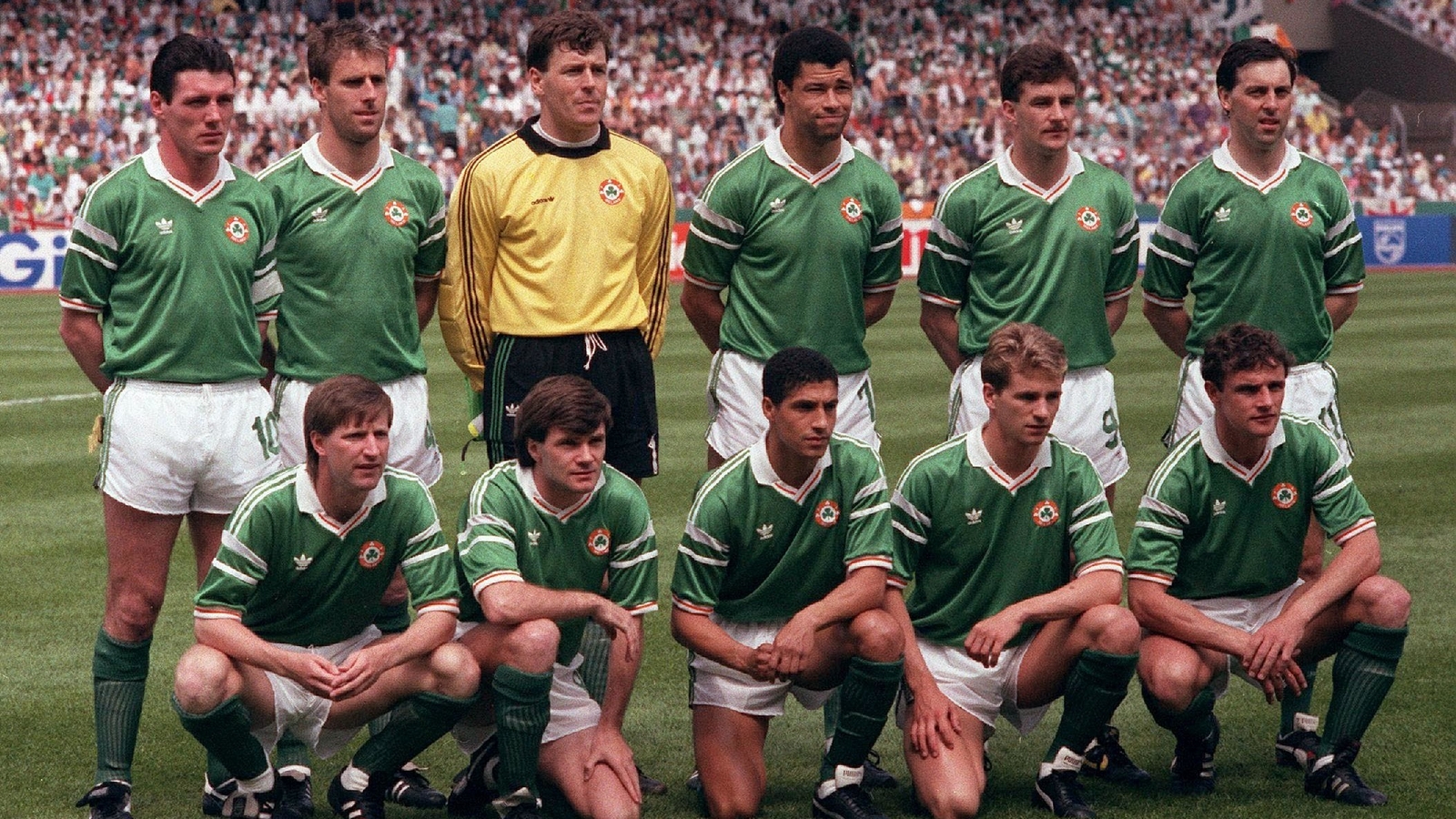
The Republic of Ireland's history-making Euro '88 team
"Ireland had a great team. I saw how much I had to improve to get at that level. Mick McCarthy was captain of Celtic, Kevin Moran was at Man United, Paul McGrath was there and David O'Leary wasn't even in the squad."
Charlton's heroes were welcomed home by a crowd of 200,000 upon their homecoming, before the 1990 World Cup campaign began at Windsor Park in September. The following month, Ireland's first home game since Germany, Tunisia arrived for what was a low-key friendly.
For Scully, it would be the pinnacle of his career. The call-up, as he recalls, was light years removed from the modern-day trappings of technology.
She said, 'I think you've been called up for the Irish team as your name is on the text
At a friend's house watching a film, Scully was made aware of the news courtesy of the landlady of the house.
"She said, 'I think you've been called up for the Irish team as your name is on the text'".
In a state of shock, he returned to his own digs to be informed by his own landlady that the phone had been ringing non-stop all evening with family and friends trying to get through.
Arriving at the team hotel on the Sunday night, the reserved teenager was made feel at home immediately by the array of stars.
"Everything was so positive. You are 18 years old listening to Ronnie Whelan talk about Liverpool, telling stories, it was brilliant. They asked about Arsenal and George Graham. I felt comfortable. They couldn't have made me feel more welcome."
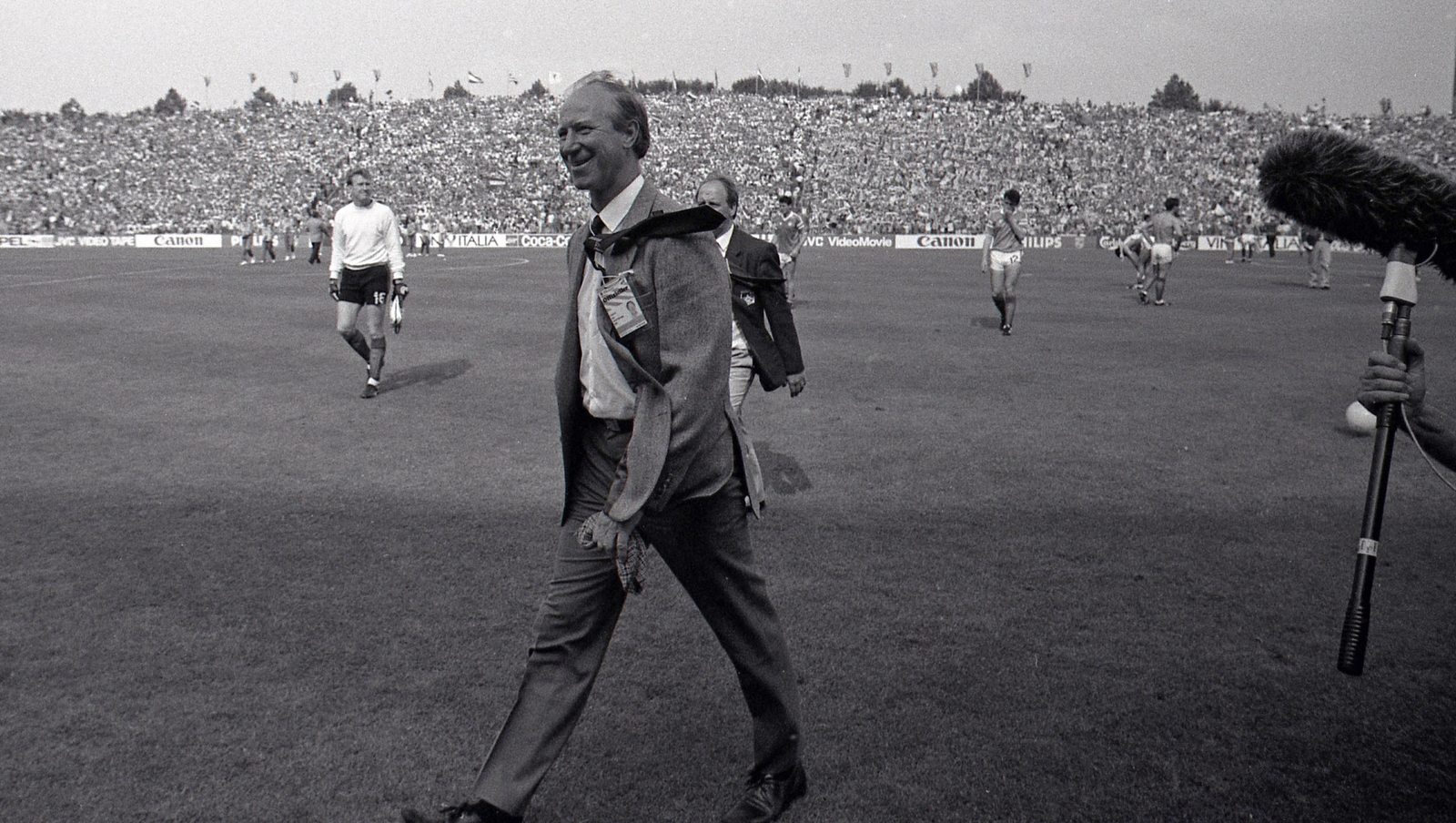
Jack Charlton was encouraging, if short on tactical advice
The day before the match he was informed he wouldn't be starting, but would be introduced after the break, which exceeded his own expectations. Jack was encouraging, if a little light on the tactical approach.
"He said enjoy it and make sure to go out and kick a few people."
In front of just 12,000 supporters, and a large contingent of Scully supporters, Ireland coasted to a 4-0 victory best remembered for John Aldridge breaking his Ireland goal drought which had stretched to a 20th match.
Steve Staunton was the other new cap on the day, with Scully introduced for Chris Morris at the interval.
Scully was pleased with his own performance, and grateful to his defensive partner and recently appointed Ireland manager Mick McCarthy for guiding him through the encounter.
"He was such a huge presence and personality. I remember they had a big centre forward, he was a big tall lad. He was standing on my toes and all that. Mick turned around and said, 'if you do that again I'll f**king knock you out'.
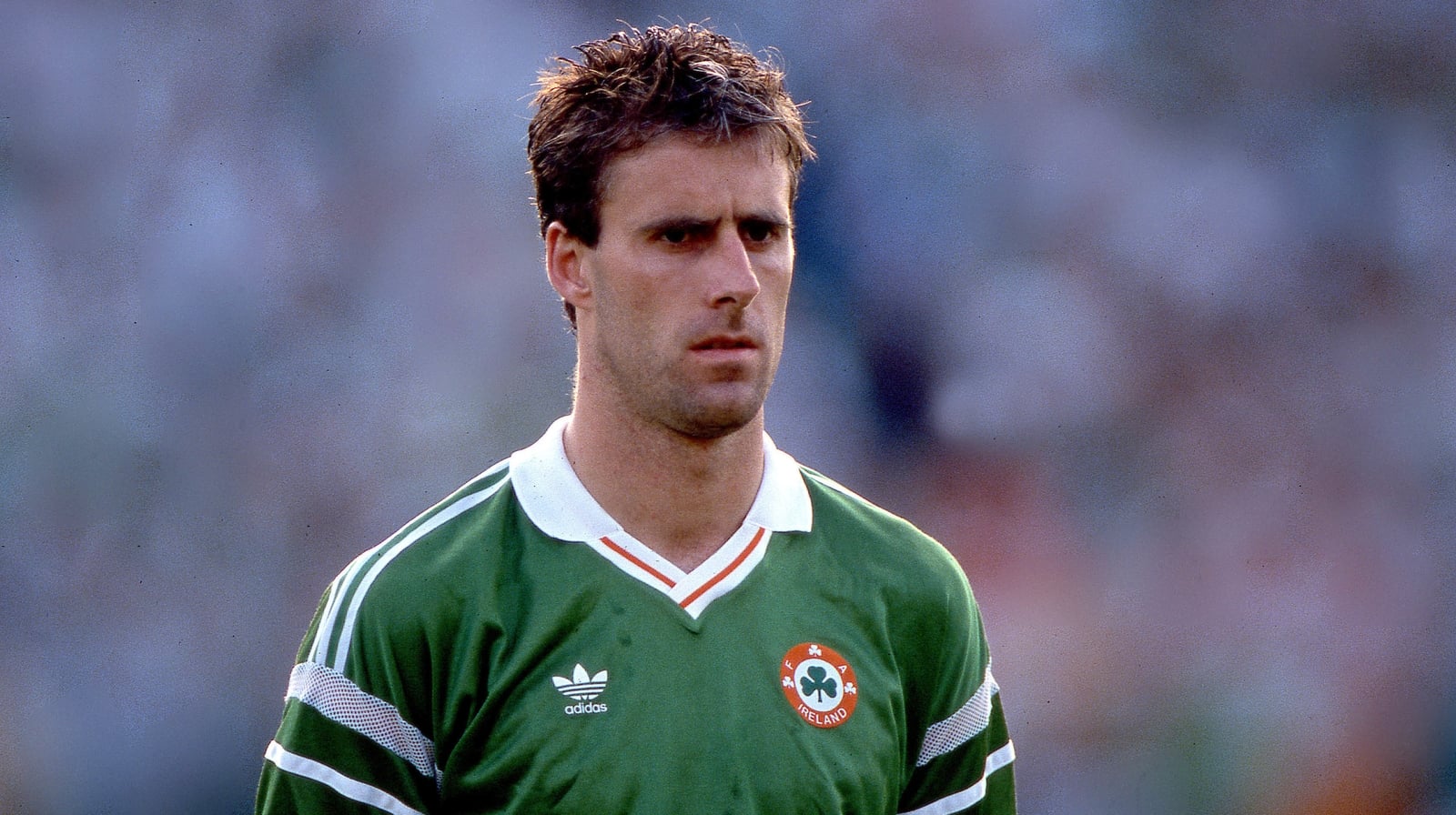
Scully's guardian angel, Mick McCarthy
"I wasn't sure if he was talking to me or him!"
"As much as I enjoyed the whole experience, it was great to know your mam and dad were there to watch me play and represent my country. That was huge for me."
While the team hit the town afterwards, Scully opted for home comforts in the company of his parents. They discussed the game over a pot of tea, before he joined his friends for an hour in the local pub afterwards.
"A lot of people came over and said, 'what are you doing here? Why aren't you out celebrating?'. I could have gone out but I wanted to come home. It was nice to spend time with my family."
There was only one negative to the experience
Arsenal team-mate David O'Leary remained frozen out of the picture at international level. Scully had yet to make a single first-team appearance at club level, and while congratulations were paid to his fellow Dub on the achievement, O'Leary was clearly unhappy with his own international situation.
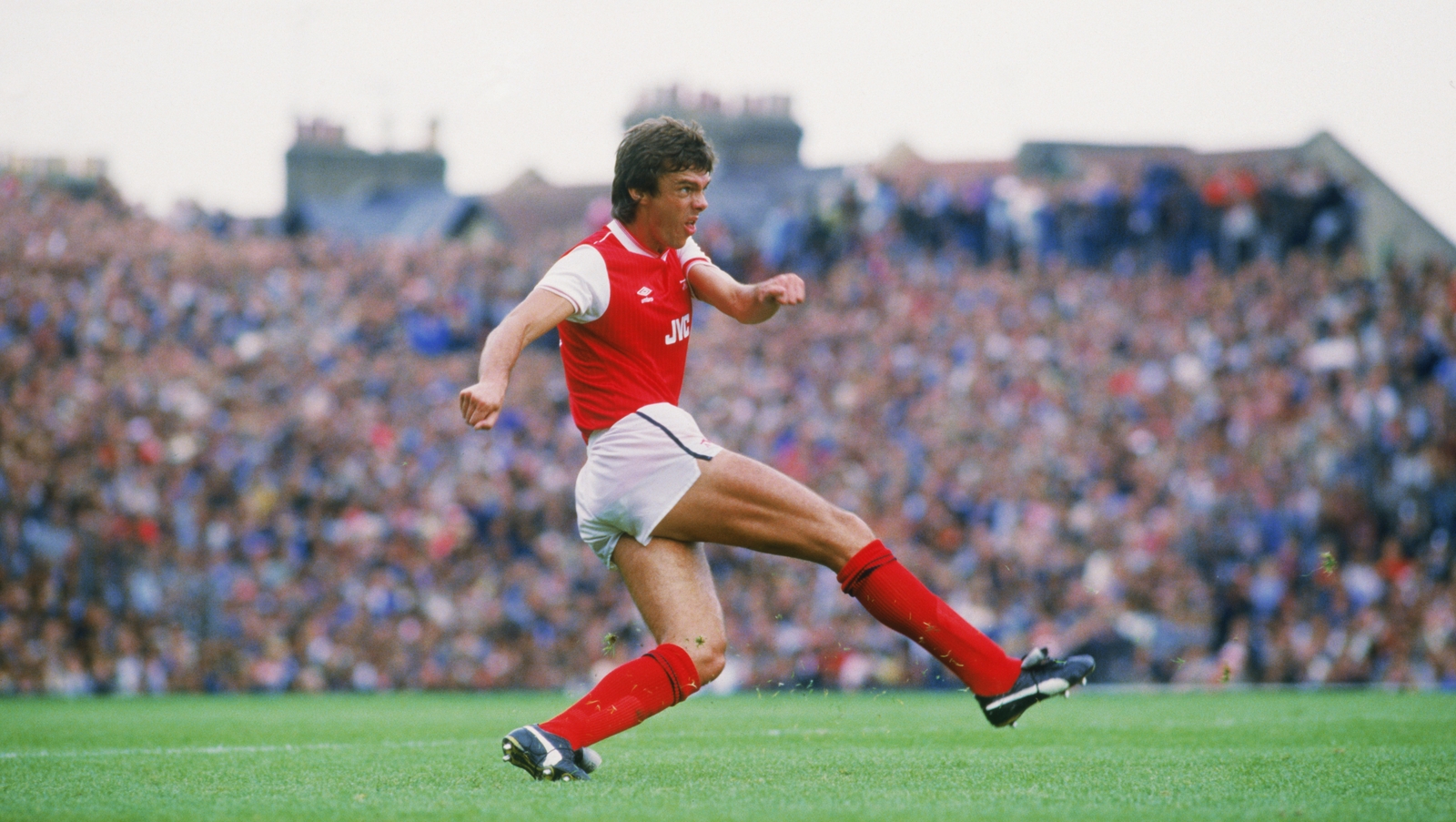
David O'Leary was not in Jack Charlton's plans when Scully was capped
"I always got on grand with Dave. He mentioned it recently that it was a real low point that I got picked before him. I was disappointed with that comment. He hadn't been in the squad for a year and a half.
"I don't feel like I was picked ahead of him, I was picked on merit, I had earned it. He wasn't there anyway as Big Jack and himself had a bit of a falling out.
"I'm sure he thought he'd never get picked again if an 18-year-old was being picked ahead of him. I know my dad was a bit annoyed about some of the things that were written and said. I know he took a few people to task on the comments they made about me."
Unfortunately I just wasn't good enough...I just couldn't make the next step
Back at the club scene and Scully couldn't make any further inroads. The Arsenal defence, backboned by Lee Dixon, Tony Adams, Steve Bould and Lee Winterburn, was the envy of most teams throughout the country.
"Unfortunately I just wasn't good enough. For the first two or three years my progress was really good, but I just couldn't make the next step.
His sole Ireland B cap, a memorable 4-1 win over England in 1989 at Turners Cross, was made all the sweeter by the presence of Adams, Dixon and Winterburn in the opposition defence.
Loan moves at Preston and Northampton followed before he departed Highbury for Southend United in 1991 without ever making a senior appearance for the Gunners. Three years of regular first-team football preceded 18 months at Huddersfield Town before he reached a crossroads in his career.
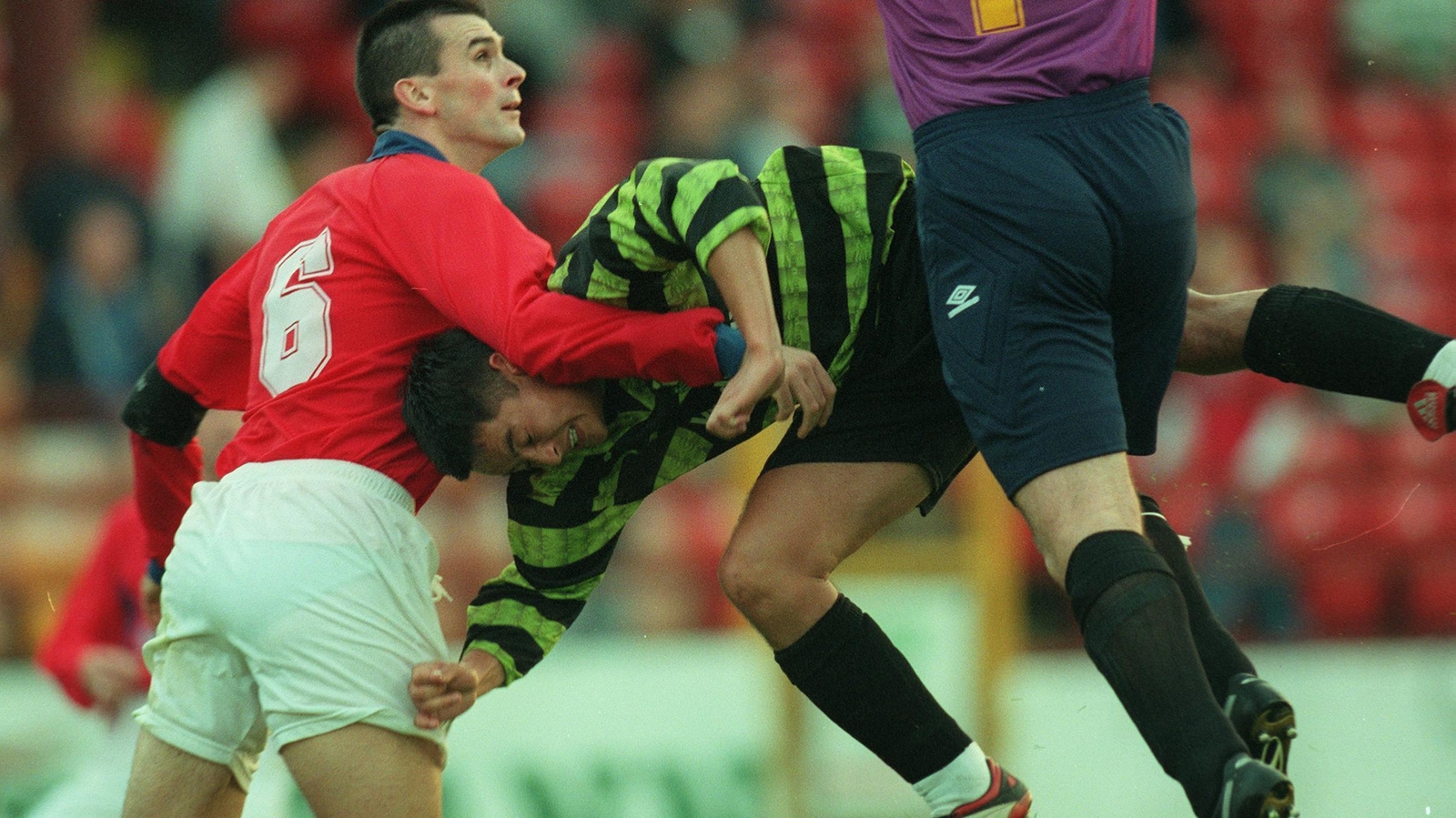
Scully during his Shelbourne days
"I was always going to come home and settle in Ireland. I knew the Premier League was where you had to be the make the Irish team.
"The way I looked at it was, if I wasn't good enough to get up into the Premier League, and no club in it wanted to buy me, you are just not good enough for that level.
"When I got to that age (25), I thought to myself, 'I can stay and be a lower league player. I thought it was a better choice to go home and play in Europe, which was one of the big reasons I signed for Shelbourne."
A full-time professional living in Naas, Scully continued to take his football very seriously. "I was always very intense about my football, that never changed, I never thought it was a step back."
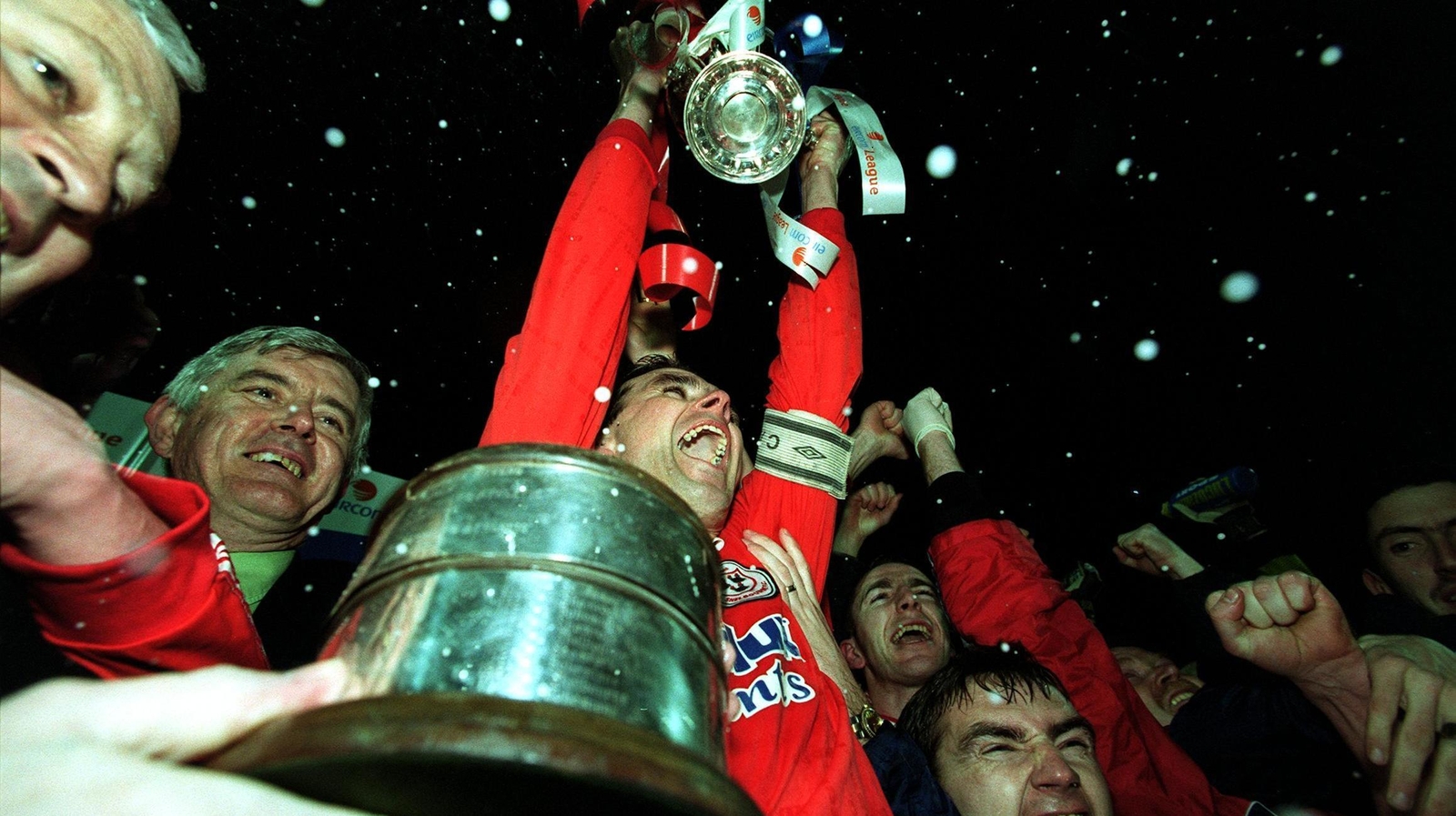
Scully enjoyed plenty of success at Shelbourne
Five years at Shels yielded a league and cup double in 2000, a first for the club, and an FAI Cup medal in his debut season. A falling out with Dermot Keely paved the way to a move to Shamrock Rovers where he was made club captain.
Rovers didn't hit the same mark in their professional approach, losing the 2003 FAI Cup final to Derry City due to "bad preparation" in his opinion, and finished his playing days with Drogheda United and as player/manager of Kilkenny City in 2005.
A year later he was back at Rovers, leading them out of the First Division before he left by mutual consent in 2008. His last job in management was with Limerick in 2012, a year after also a second First Division title.
He decided to step away from the game to spend more time with his young family and says he has no inkling to ever return to management at that level.
"That chapter is well closed. I never fell out of love with football, I love the game, I just think in football now there is a huge political side, more than there ever was. You get yourself into a lot of difficult situations being like that [being honest]. I don't think there is any honesty in football now. You have to lie, and be a little bit deceitful because people don't want to hear the truth.
"The only regret I would have is that with my management career, I had just finished all my pro licences, I had been managing for six years and I felt I had done my apprenticeship. I felt my best years were ahead of me. I would have been ready going forward."
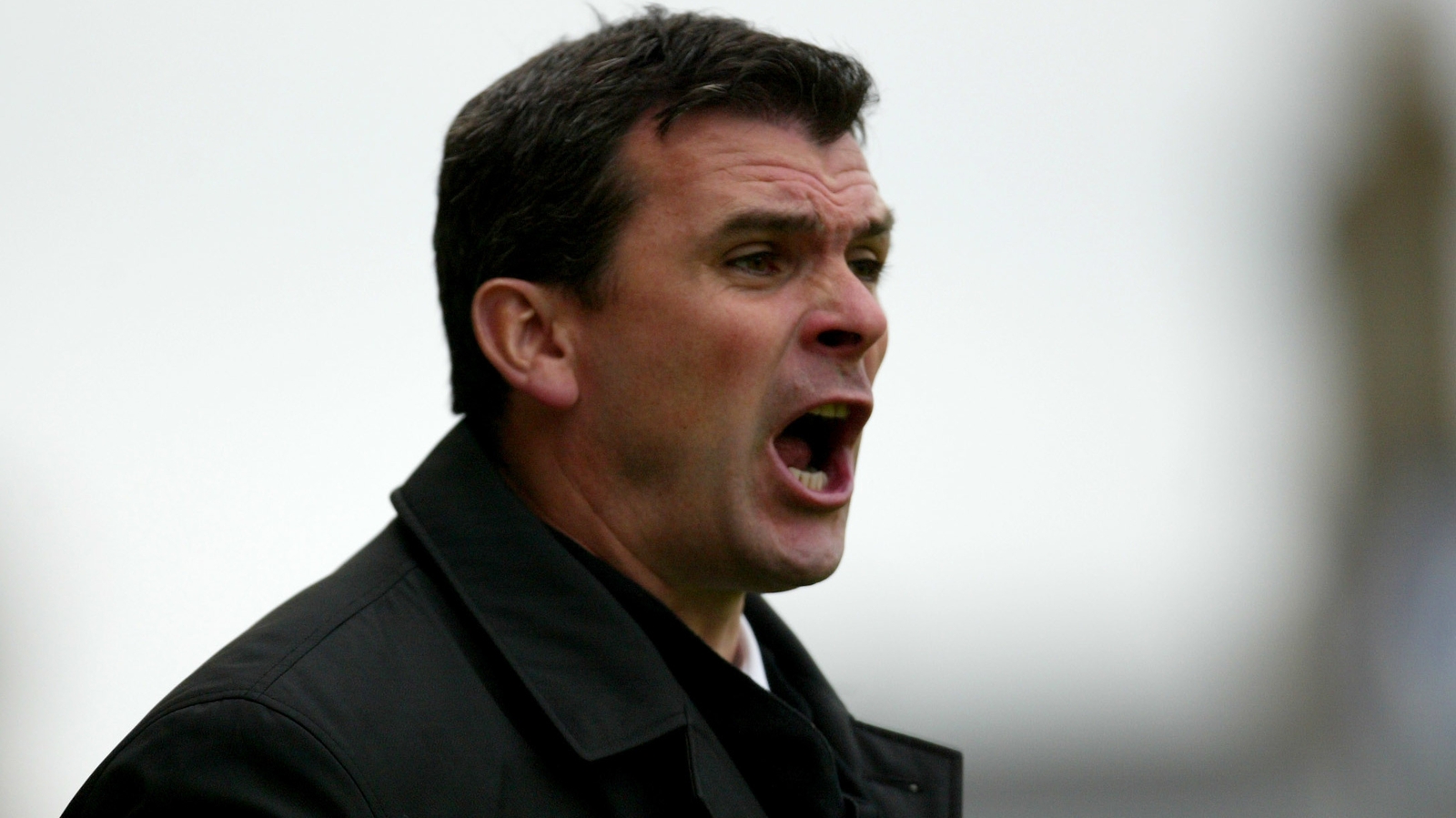
Scully during his time in charge of Kilkenny City
He is involved these days with the men's team in Tallaght IT, and his work as a taxi driver in Naas means he is regularly asked his opinion on the game he loves. Coaching his son's U12 team is a world removed from the pressure cooker of playing and managing in the League of Ireland.
"It can be hard because they are so young and you have to deal with them in a much milder way, but I love it.
Playing for your country is the pinnacle. It was probably the best team that Ireland ever had, but they were lovely people
"And it's not all about winning. It can be difficult when you have been so driven to win your entire career. I'm sure I have gone over the top a few times!"
While he did return to Highbury as a fan many years ago, he has yet to take in the Emirates Stadium to see his beloved Arsenal. That is on his to-do list with his son, but it will always be the Ireland cap that will be the crowning highlight.
"Playing for your country is the pinnacle. It was probably the best team that Ireland ever had, but they were lovely people. They would go out of their way to make you feel part of it."
