Last month marked the 25th anniversary of Roy Keane's record-breaking transfer from Nottingham Forest to Manchester United.
Former Cobh Ramblers player Keane moved for a then record British transfer fee of £3.75m, having initially agreed a verbal deal to join Blackburn Rovers, but changing his mind at the last minute when United made their interest apparent.
Blackburn boss Kenny Dalglish believed that he had won the race for Keane's signature and that he'd added the Nottingham Forest midfielder to his squad, before Alex Ferguson convinced Keane that his future lay at Old Trafford.
Keane would eventually sign for United, accepting a lower wage than he had agreed with Blackburn and the £300,000 a year he was paid represents roughly what the man currently occupying the Keane role at United, Paul Pogba, earns in a week.
Pound for pound, that £3.75m must surely be the best value that Alex Ferguson was ever able to extract from a transfer, but it also marks the last time that an Irish player was in such high demand.
In an era when the bulk of the Republic of Ireland national squad now ply their trade outside the Premier League, the idea of the Premier League champions and a team of Manchester United's stature battling it out to sign an Irish player is a long distant memory.
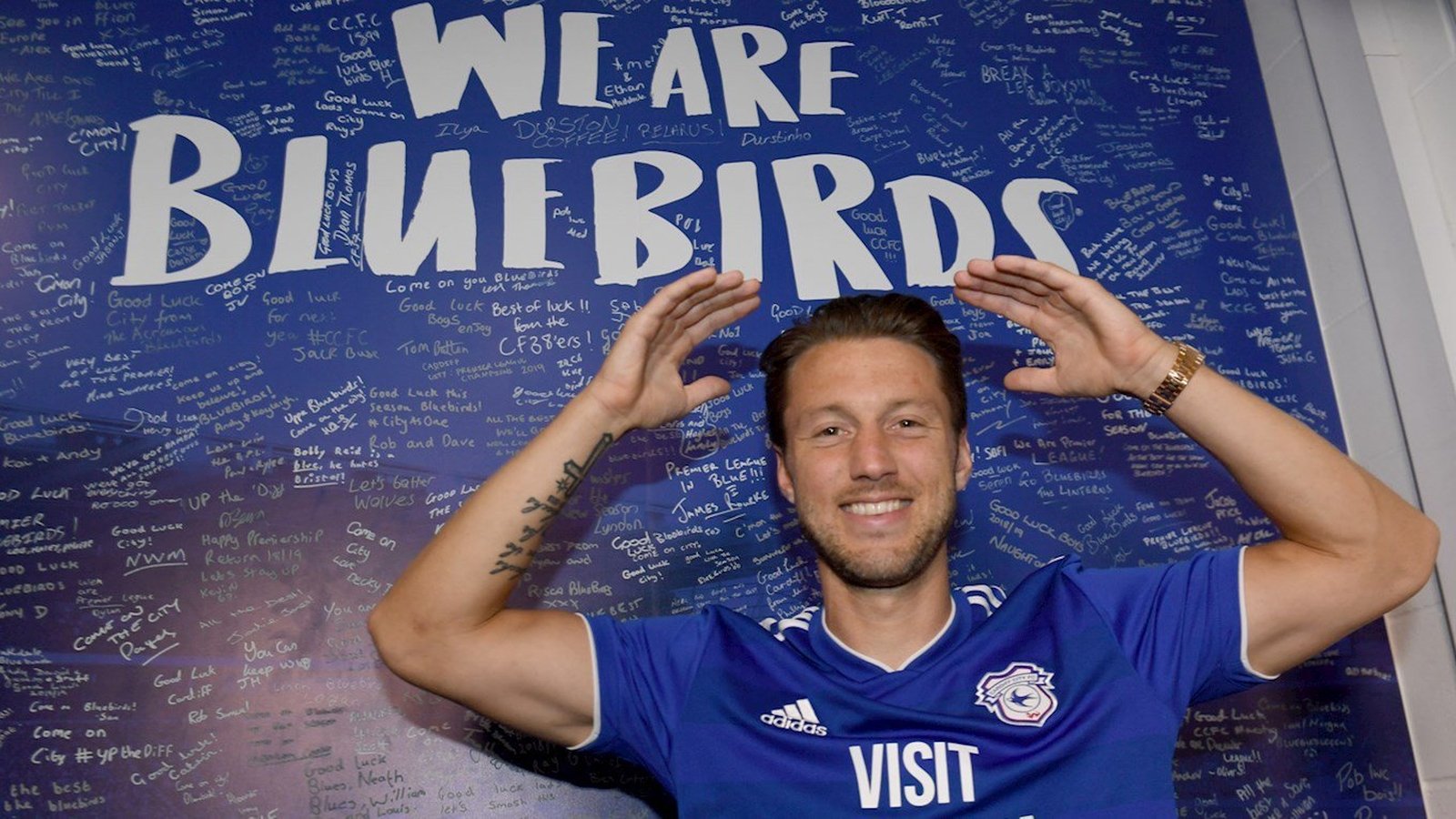
Harry Arter's loan move to Cardiff was one of just two Irish signings made by a Premier League club
Cork's John Egan is the biggest money Irish transfer of the transfer window. The headline of the 25-year-old defender moving from Brentford to sleeping giants Sheffield United for a club record fee is an attention grabbing one but when you realise that the previous record was £3.42m for Matthew Kilgallon, it loses some of the gloss.
The £4.05m fee that the Blades paid for Egan's services is just a fraction over the price United paid for Keane over two decades ago and in an era when a player like Richarlison commands a £40m price tag, it illustrates just where Irish players are at the moment.
It wasn't always like that of course and it wasn't too long ago that Irish internationals were at the centre of some of the biggest summer transfer sagas.
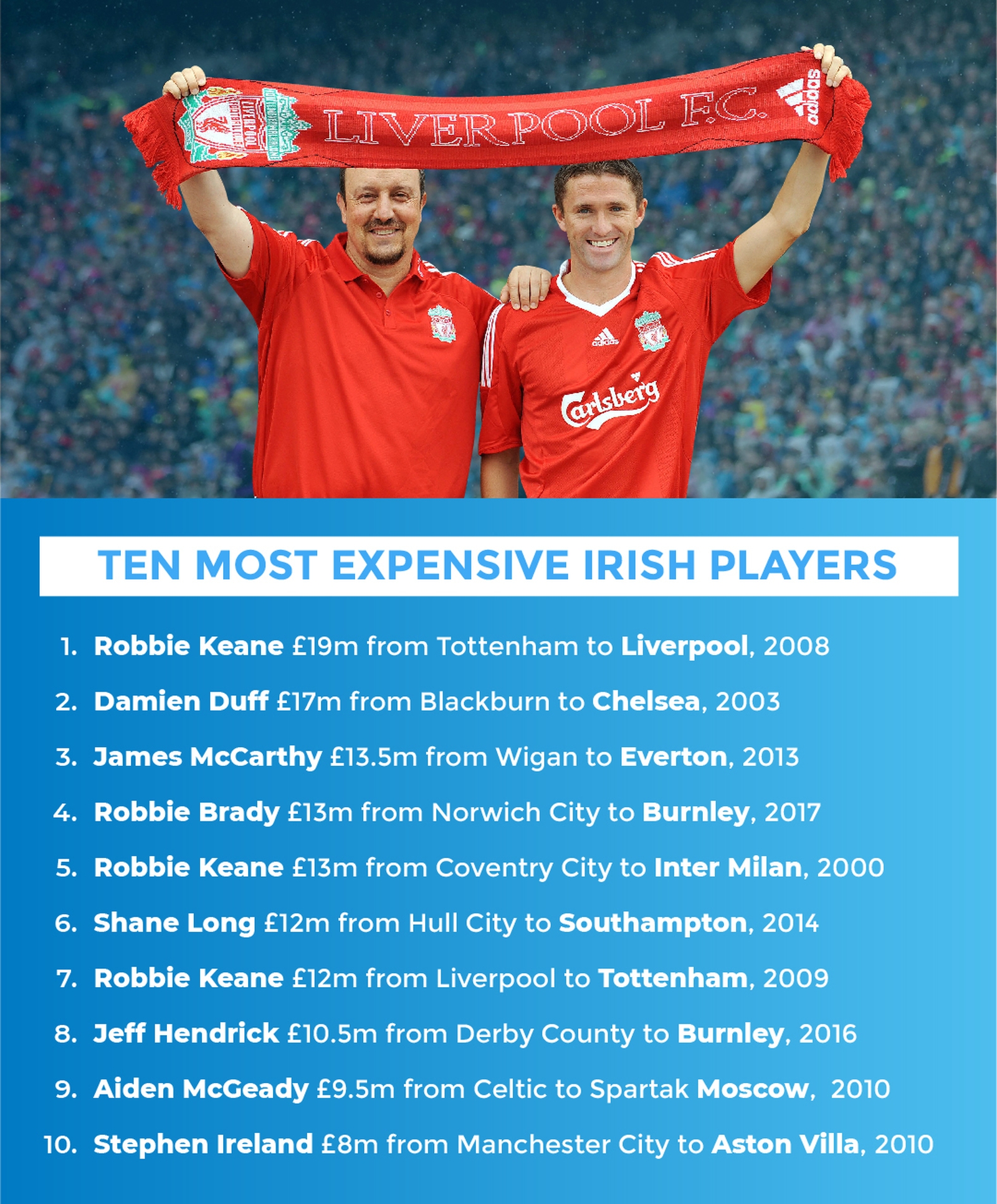
Robbie Keane's switch from Tottenham to Liverpool in 2008 for £19m remains the highest price ever paid for an Irish player and while the move ultimately didn't pan out for anyone apart from Spurs, who bought Keane back six months later for £7m less than they sold him, it's still the high-water mark for a transfer involving an Irish player.
Keane was unfortunate to see the move to his, ahem, 'boyhood club' turn sour so quickly. Joining a club that was in the midst of a power struggle between the manager and the now reviled ownership duo of George Gillett and Tom Hicks, there were questions as to whether or not Rafa Benitez ever wanted the Dubliner.
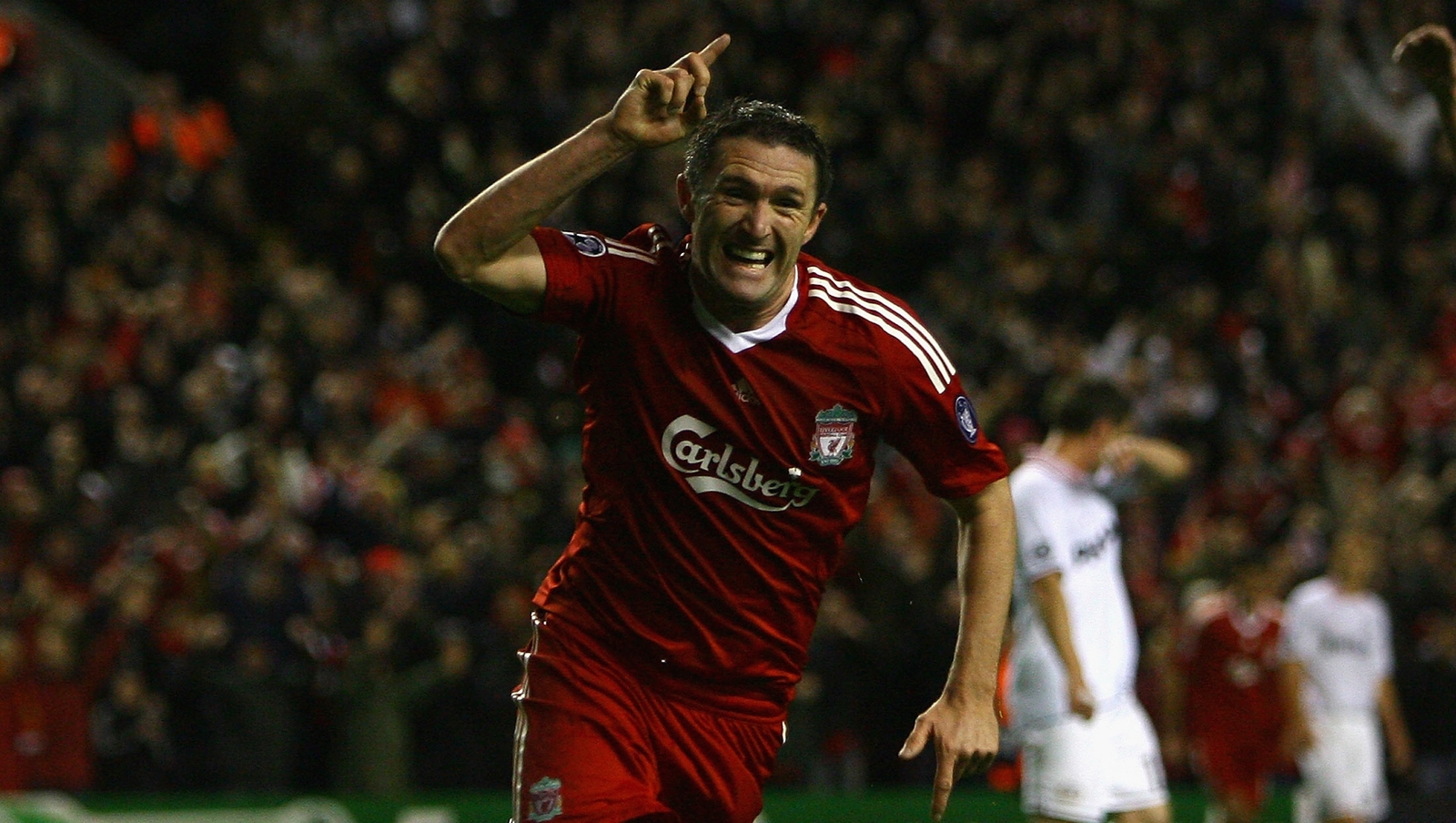
Robbie Keane went 12 games without a goal at Liverpool
The then Liverpool manager certainly struggled to fit Keane into his set-up and years later the striker revealed the reason behind his short stay at Anfield.
"He wanted to change me to a left winger," he said of Benitez. "I am clearly not a left winger, and that is obviously clear for everyone to see.
"When I did play up front I scored goals. But when I did play, I wasn't going to play the next day, which for a striker is very difficult. He tried to turn me into something I'm not, and that was always going to be a recipe for disaster as someone used to scoring goals."
That move back to Spurs for £12m is the 7th most expensive deal involving an Irish player, while Keane's earlier £13m transfer from Coventry to Inter Milan is 5th in the top ten list. All in all, the Tallaght man attracted cumulative transfer fees of £88.27m throughout his career.
Most of them to clubs he presumably supported as a child.
Duff saved his best football for the following couple of seasons as Jose Mourinho took charge of the club and led them to back-to-back Premier League titles
Keane's international team-mate Damien Duff fared much better with his big money move. The RTÉ soccer analyst remains the second most expensive Irish player ever signed and his move from Blackburn Rovers to Chelsea remains one of the best pieces of business of the Roman Abramovich era.
Signed by Claudio Ranieri for £17m in the summer of 2003, Duff was the most expensive signing of Abramovich's first season in charge and was an immediate hit at Stamford Bridge. However he saved his best football for the following couple of seasons as Jose Mourinho took charge of the club and led them to back-to-back Premier League titles.
Duff was devastating during that period and with him and Arjen Robben out on the flanks, Chelsea were unstoppable domestically. Looking back on that Chelsea side is a reminder that Mourinho didn't always plays turgid defensive football and with Duff and Robben on the wings, Chelsea were a joy to watch at times.
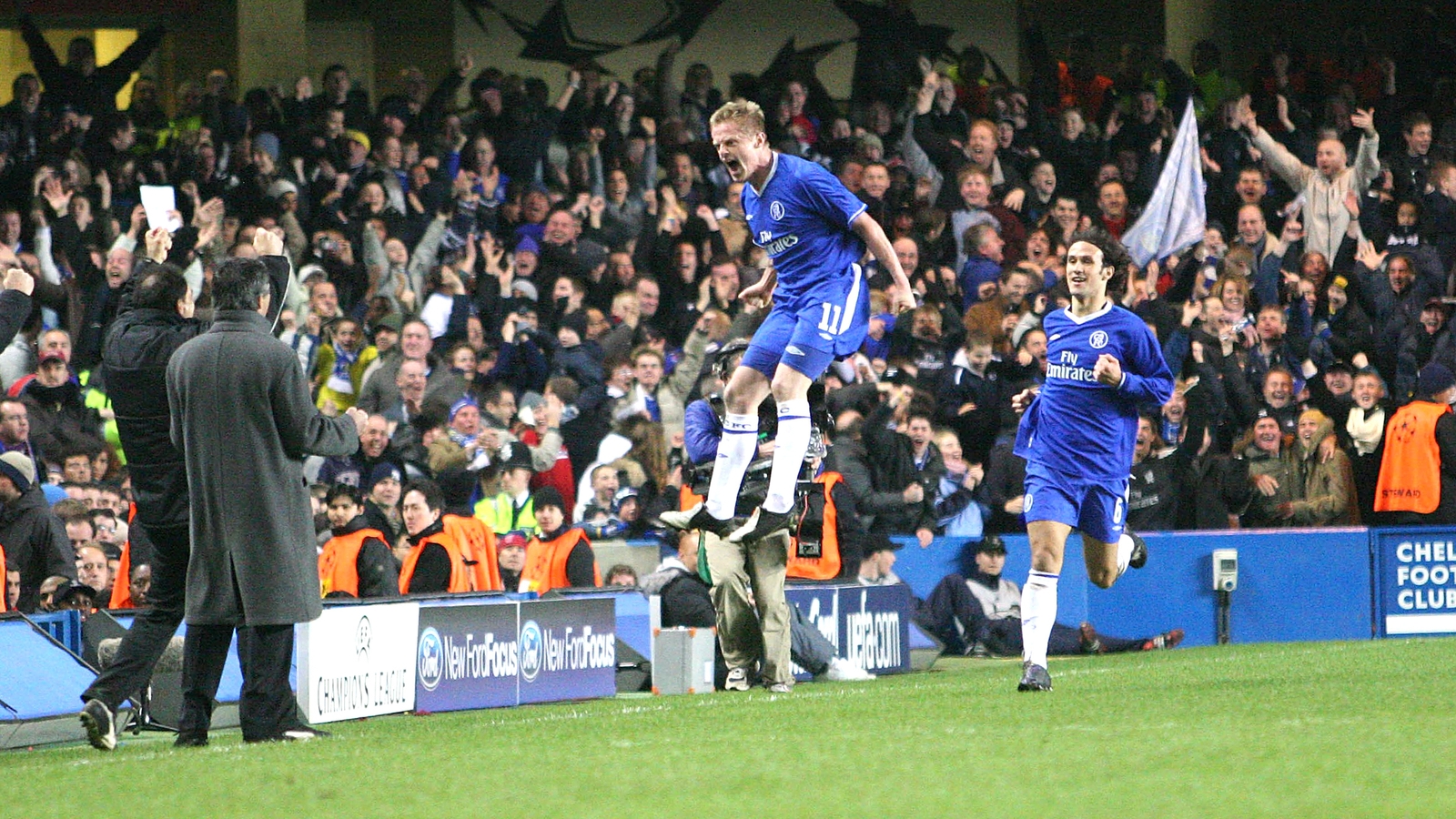
Duff was sensational under Jose Mourinho at Chelsea
A series of injuries eventually robbed Duff of some of the pace that made him such an exciting player to watch during that time and he eventually moved to Newcastle for £5m, an unenforced decision that he took himself and one that he regrets to this day.
In an interview with Four Four Two Magazine, he explained: "At the time I wanted to play in every game – I didn't back myself. Chelsea were signing [Michael] Ballack as well as [Andriy] Shevchenko and I was in and out of the team at the tail end of the previous season, so I thought, 'I'm not going to play'.
"To be fair, Jose said: 'No, stay, if you play well and you're fit, you'll be in the team.' It's a regret, it's something I don't usually do. I usually stay and fight. I cried on the day I left – looking back, that probably should've told me I was making the wrong call, as I never cried when I left Blackburn, Newcastle or Fulham, or even when I retired. But it was my own decision."
Duff and Keane were the two standout players of their generation for Ireland and represent the high-point of demand for Irish players, but their era was the last time that genuine top tier clubs with realistic major trophy ambitions were in the market for Irish internationals.
That's not to say that there haven't been big money moves for Irish players since then however. James McCarthy's £13.5m move from Wigan to Everton in 2013 means that he's the third most expensive Irish player, while the £13m fee that Burnley paid Norwich for Robbie Brady when they bought him in 2017 leaves him fourth in the overall list.
The best Irish players were no longer being courted by title winners and title challengers, but by mid-table teams and relegation battlers
Shane Long's transfer from Hull to Southampton in 2014 for £12m was the sixth most expensive Irish signing, but there's a clear step down in the status of the clubs involved in those moves. The best Irish players were no longer being courted by title winners and title challengers, but by mid-table teams and relegation battlers.
Conor Clifford, Jack Byrne and others have enjoyed successful underage careers at clubs like Chelsea and Manchester City, but making the step up to the senior ranks at one of the Premier League's biggest clubs is incredibly difficult. John O'Shea was the last Irishman to make the leap, at Manchester United.
Ryan Nolan at Internazionale is a young Irish defender who could establish himself in one of Europe's most venerable teams.
Glancing through recent Irish squads, it's hard to see things change and perhaps it's only Everton's Seamus Coleman who could realistically attract the kind of fee that would make an impact on the most expensive Irish players list, but given Coleman's loyalty and commitment to Everton, we're unlikely to find out just how much he could go for.
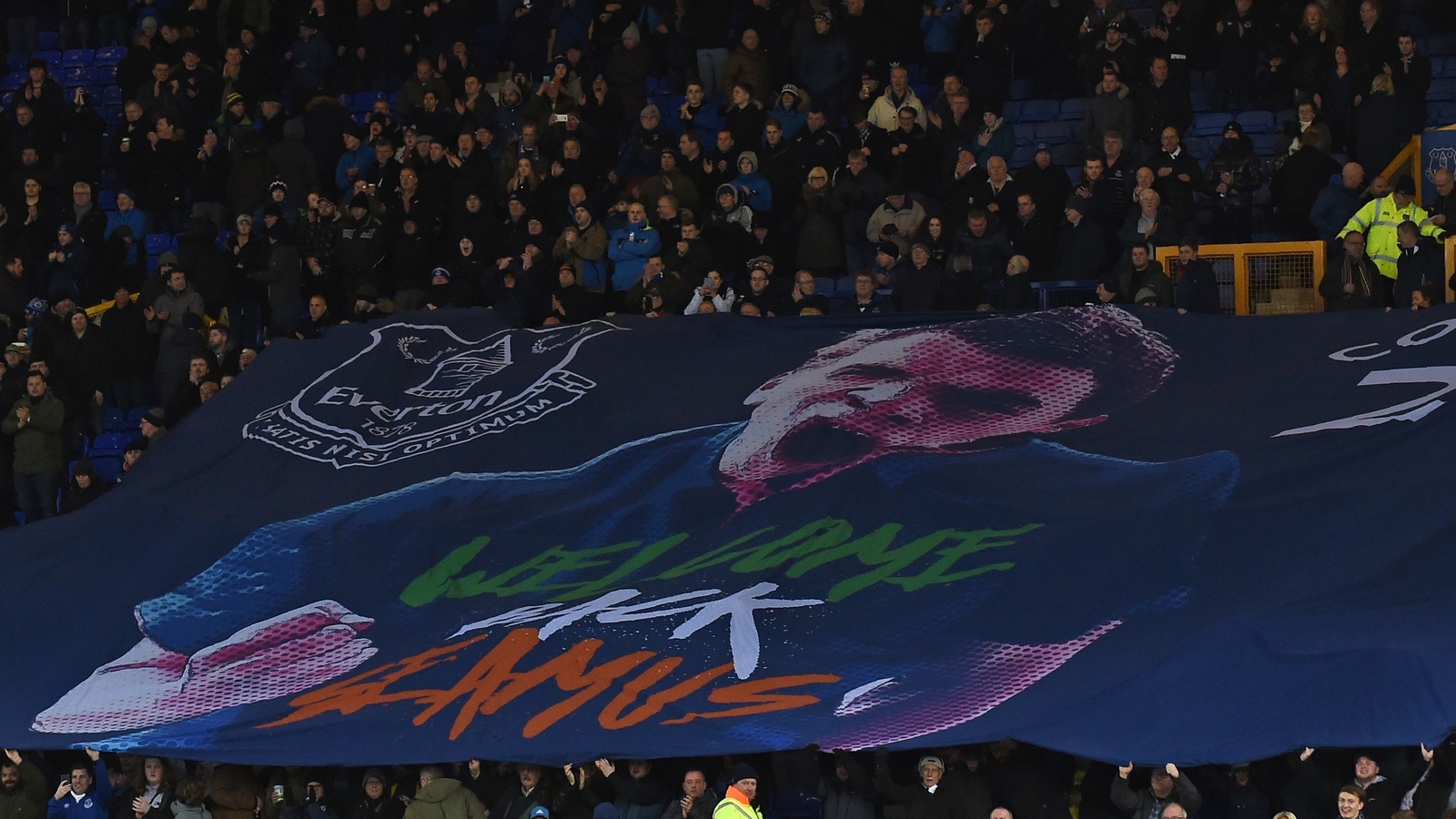
Seamus Coleman is a popular character at Goodison Park
Everton supporters rarely tire of reminding all of the minuscule £60,000 fee they paid Sligo Rovers for his services January of 2009. With more than 200 appearances for the Toffees since then, there's a very strong argument that the Donegal full-back represents the best value signing that Everton have ever made.
It was also the move that alerted English clubs to the value that could be extracted from signing League of Ireland players.
With finances always an issue in the domestic league, Irish clubs were often loathe to even give players a year-long contract and instead just offered deals that covered the length of the season, meaning that League of Ireland players were usually out of contract come the end of the season and could be picked up for a pittance.
In the wake of Coleman's success, the likes of James McClean, Matt Doherty and Kevin Long followed across the Irish Sea in quick succession, all proving to be successful signings.
European success for Shamrock Rovers and Dundalk kept attention on the league as English clubs realised that they could afford to take a risk on signing League of Ireland players for little outlay, with the potential rewards meaning that only one player in five or six has to be successful for that approach to be worthwhile.
It's a system that Preston North End have used to great effect and continue to do so, with Shamrock Rovers' Graham Burke becoming their latest signing as they regularly send scouts to Ireland to cherry-pick the best players in the league.
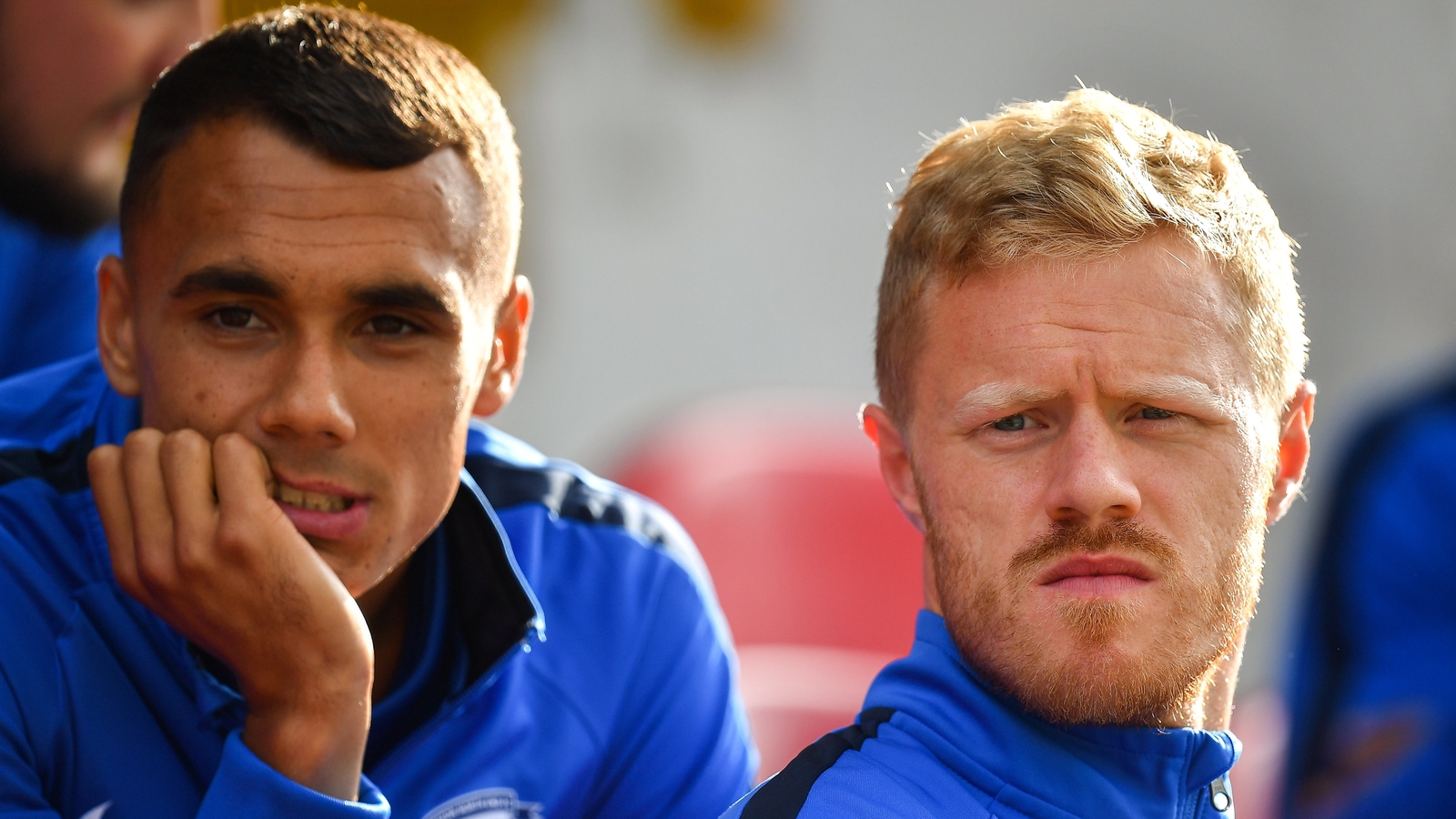
Graham Burke (R) and Daryl Horgan have made the move from League of Ireland to Preston North End
Sean Maguire, Andy Boyle, Daryl Horgan, Kevin O'Connor and Alan Browne all made the journey from the League of Ireland to Preston, for fees ranging from peanuts to nothing, before Burke from Shamrock Rovers joined for a reported €350,000.
Irish clubs, aware that the short contracts they were handing out to their best players left them ripe for the picking, have moved to defend themselves against such practices of late and the fact that Burke was under a two-year contract with Rovers left them in a position to demand the kind of fee that a player of his potential should command.
The Hoops are in a similarly strong position when it comes to 16-year-old goalkeeper Gavin Bazunu, with Tottenham and Manchester City reportedly circling, they appear to have learned the lessons of the past and will at least extract market value for Bazunu, if he should go abroad next year, after committing to stay until he's finished his Leaving Certificate.
The likes of Burke and Bazunu represent the next crop of Irish hopefuls as they follow in the footsteps of Roy Keane making the journey from the League of Ireland to the English Premier League, but it may be some time until we see another Irish international breaking transfer records, and drawing clubs into a heated transfer saga, in the same way Keane did.